

Last Week’s Moves
BLS Cash Index 583.74 (+0.94%) BLS Industrials Index 652.06 (+0.67%)
BLS Foodstuffs Index 497.11 (+1.33%) BLS Fats and Oils Index 713.67 (+3.22%)
BLS Livestock Index 629.61 (+3.99%)
______________________________________________________________________
Welcome to your weekly food & beverage report, where we cover everything you’ll need to know for the week ahead. This week, we look at how the pandemic is likely to affect food and beverage trends, revisit the biggest mergers and acquisitions from 2021, and explore how restaurants can lighten their carbon footprint.
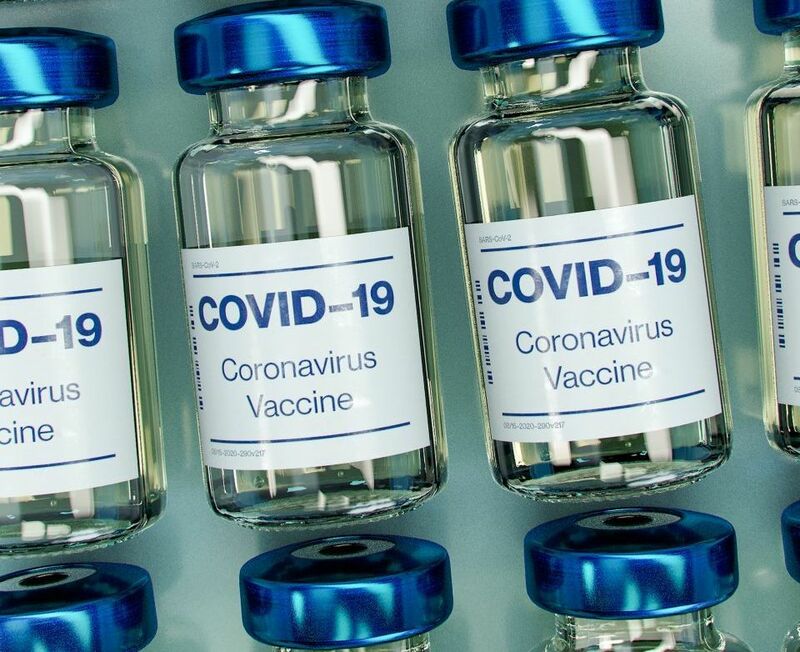
The new year has brought new challenges around the COVID-19 pandemic, which is likely to shape consumers’ food and beverage spending and habits
The consumer mindset has changed after three years of the pandemic; these changes are especially apparent in predictions around food and beverage trends and habits of consumers in 2022. Regardless of whether this is the year COVID-19 becomes a memory, the pandemic has made an impact on how consumers will spend their money in the grocery store and beyond.
- The kids are alright… Food is Gen Z’s top spending priority, and they have money to spend– between $29-143B in buying power, to be specific. Folks born between 1997-2012 are particularly focused on environmentalism, and are more aware of the ethics behind the corporations they buy from. Sustainable and social missions are where they’ll throw their dollars.
- What’s your function… A 2019 study from Kerry found 65% of consumers looked for function in what they eat and drink. Functional ingredients will play a bigger role in purchasing decisions as consumers maintain a heightened awareness of their overall health and wellness.
- Other trends… Whole-cut plant-based meats will see growth, private label and value brands will likely make a comeback after a hit during the pandemic, and branded greens and produce are all likely to see a big year (or years).
2021 saw record-setting M&A deals within the food and beverage industry. Here are some of the biggest deals of the year.
In an ideal agreement, both parties come out ahead. Over the course of 2021, many food and beverage manufacturers secured deals positioning them for sustainable growth. 2021 showed buyers acquiring a consumer-tested brand as a way to immediately gain competency and recognition in a new category or to strengthen their foothold in a space.
- Athletic advantage… In the company’s largest-ever purchase, Coca-Cola (COKE) acquired sports drink brand BodyArmor for $5.6B. BodyArmor is the second-largest sports drink brand, falling only behind PepsiCo’s Gatorade (PEP).
- Three birds, one stone… Cargill and Continental Grain split the purchase of Sanderson Farms (SAFM) in a deal valued at $4.53B. The acquisition was a step towards the buyers’ plan to combine Sanderson Farms with Continental Grain subsidiary Wayne Farms, creating a new privately held chicken company representing about 15% of US chicken production.
- H2Overhaul... Nestle’s (NSRGY) North American bottled water business was acquired by private equity firm One Rock Capital Partners for $4.3B. The buyer has rebranded Nestle Waters North America to BlueTriton Brands.
While you’re here, check out the latest episode of our new podcast The Food Biz, streaming across all podcast platforms. If you have any feedback or input, reach out to us at news@barchart.com. We’d love to hear what you think!
Food chains are adapting to consumer trends of plant-based offerings and sustainability efforts
Above and beyond… KFC restaurants nationwide are adding Beyond Meat’s (BYND) plant-based chicken to their menus following years of testing from Yum Brands (YUM). As more Americans embrace a flexitarian diet (cutting down on meat consumption), plant-based substitutes are growing in popularity.
- Flying the coop… Growing concerns around the omicron variant and a national labor crunch have led many chains to pause the addition of new items, or even cut down on menu offerings.
- Pecking order… Beyond Meat has added Tyson Foods (TSN) industry veterans to their leadership team. While Beyond’s stock price took a hit over 2021, Yum brands has seen 30% growth and steady demand.
Greenwashing vs. meaningful change… McDonald’s (MCD) opened its first net-zero restaurant in the UK last month, boasting measures to boost the location's sustainability. However, environmentalists are calling greenwashing, arguing that the chain isn’t addressing the holistic business model’s environmental impacts. How can fast food chains meaningfully reduce their carbon footprints? To start, focus on food production and sourcing.
- Making a difference… Operational emissions from individual restaurants are negligible compared to supply chain emissions, especially supply chains revolving around meat.
- The meat of it… Meat is of high concern as animal agriculture is responsible for more than half of the emissions from global food production. Plant-based is the way to go to reduce carbon footprints.
Other stories…
- Consolidation conversations… Four companies control around 85% of the nationwide meatpacking business; the Biden administration is looking to help independent meat packers compete.
- Mixing it up… Coca-Cola (COKE) has teamed up with Constellation brands to create Fresca Mixed, a ready-to-drink cocktail that is expected to launch this year.
- Headed down under… JBS Brazil (JBSAY) has finalized its acquisition of Australian pork production company Rivalea in a deal valued at $135M. Rivalea accounts for 26% of hogs processed in Australia, and will help JBS grow their footprint in the country.
That’s all we have for you this week, do you have anything for us? We’d love to hear from you with stories or recommendations for new sections to include! Drop us a line at news@barchart.com with any feedback or input.




/A%20Palantir%20sign%20displayed%20on%20an%20office%20building%20by%20Poetra_RH%20via%20Shutterstock.jpg)