(ZWN26) (WEAT) (ZSN26) (SOYB) (ZCN26) (CORN) (TAGS) (DBA) (CTN26)
“When the Sky Turned Black: A Century of Great Plains Drought and Wheat Prices”
By Jim Roemer - Meteorologist - Commodity Trading Advisor - Principal, Best Weather Inc. & Climate Predict - Publisher, Weather Wealth Newsletter
Edited by Scott Mathews
- Evening Report - April 24, 2026
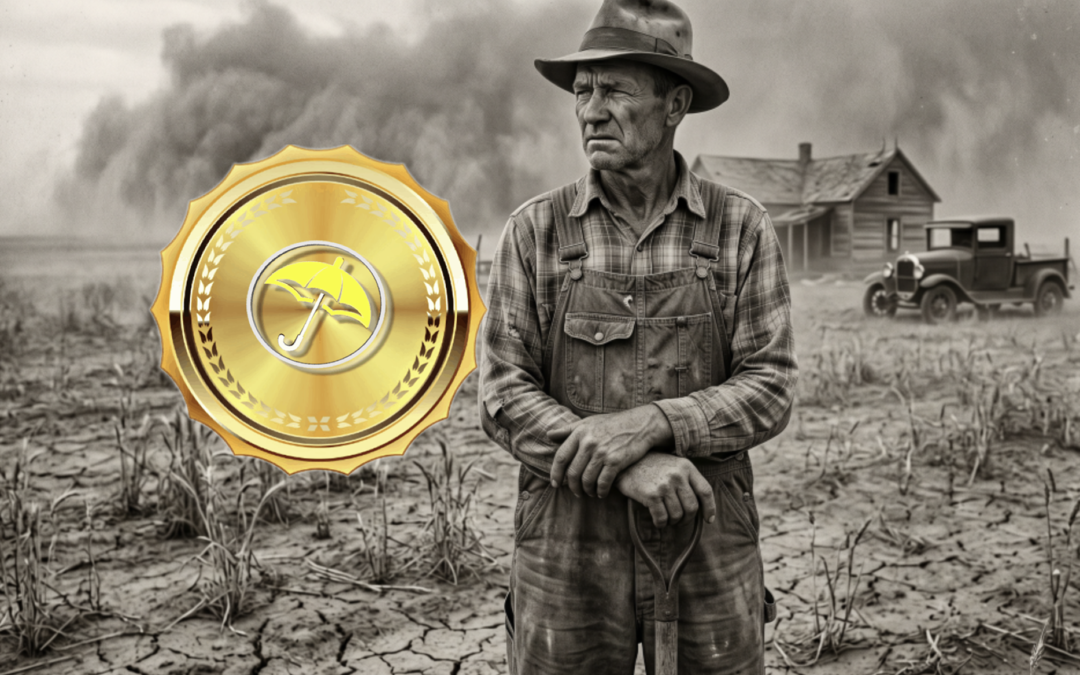
Image Source - Jim Roemer - rendered via Chat GPT
The Great Dust Bowl
The 1930s Dust Bowl, or “Dirty Thirties,” was an environmental and economic catastrophe caused by severe drought combined with over-plowing of the Great Plains by wheat farmers. Intensive farming (deep plowing) destroyed native grasses that held soil in place, resulting in massive, devastating dust storms (“black blizzards”). Millions of acres were affected, leading to massive crop failures, economic devastation, and the migration of thousands of families.
The Dust Bowl was caused by several economic and agricultural factors, including federal land policies, changes in regional weather, farm economics, and other cultural factors. After the Civil War, a series of federal land acts coaxed pioneers westward by incentivizing farming in the Great Plains.
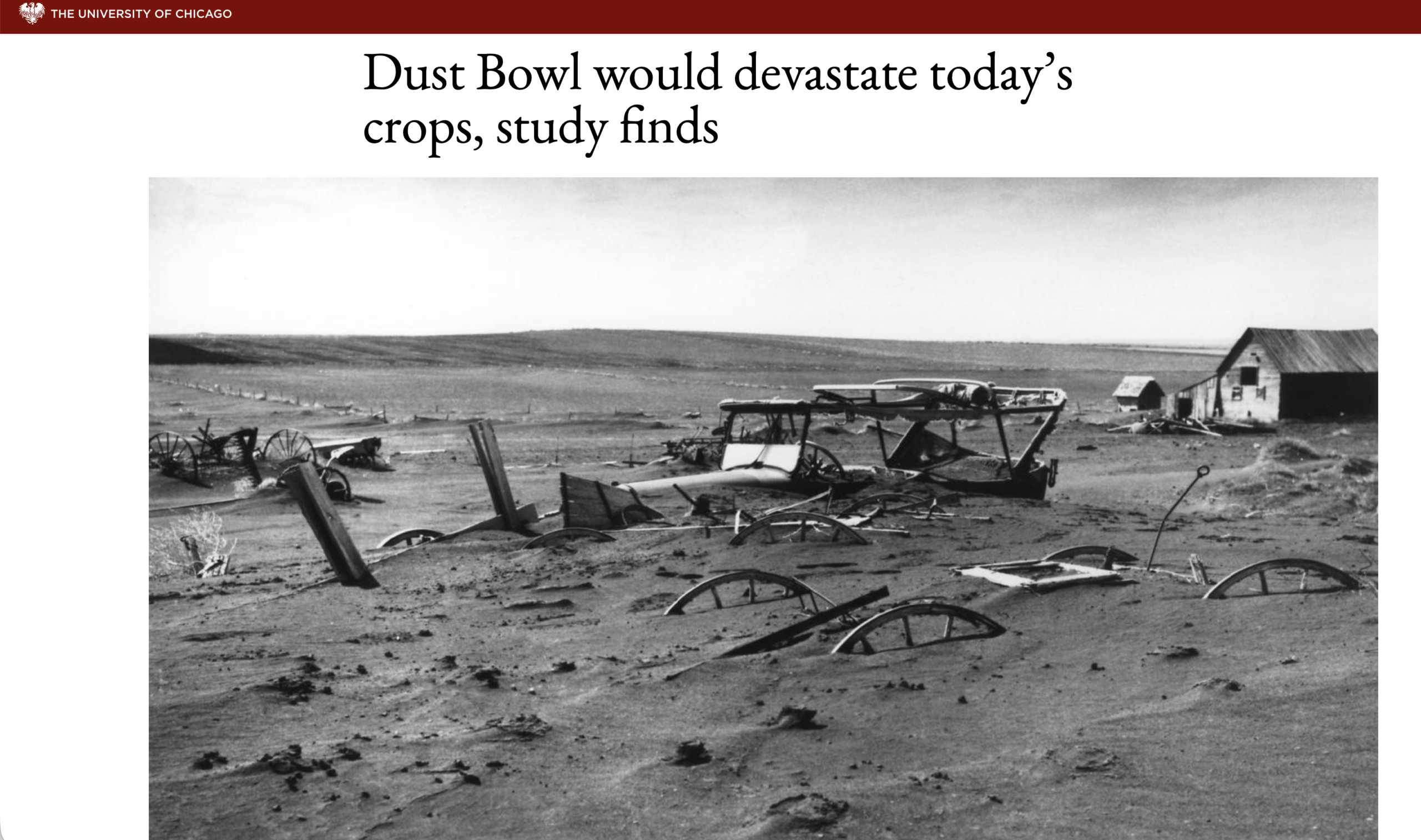
Image Source - University of Chicago
Roughly 2.5 million people left the Dust Bowl states (Texas, Kansas, Oklahoma, Colorado, and Nebraska) during the 1930s. It was one of the largest migrations in American history.
Ironically, the massive 1931 wheat crop crashed prices, forcing farmers to plow even more land to make ends meet just as drought began.
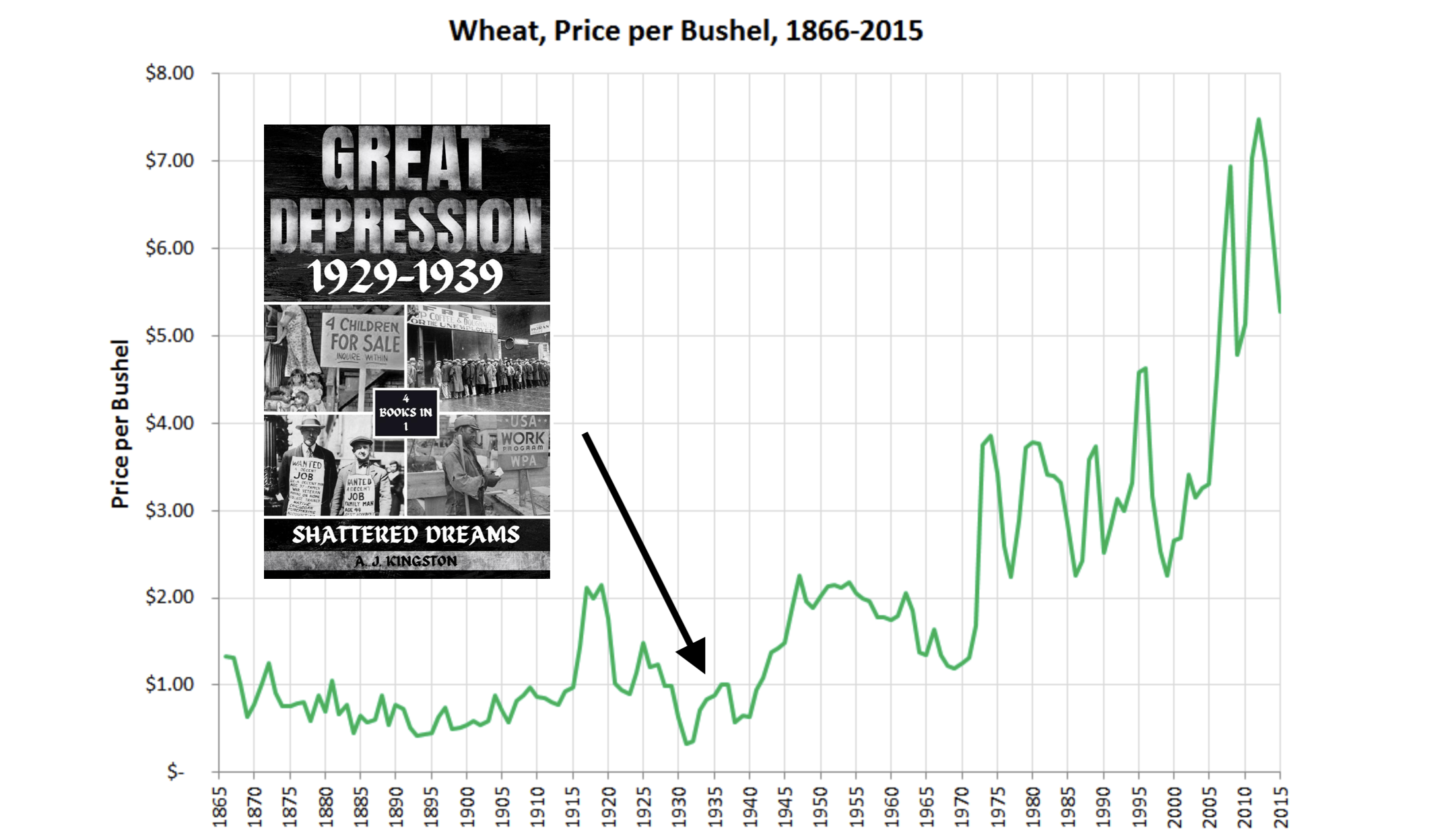
By 1936, crop losses reached $25 million per day (approximately $580 million in 2025). Over-indebted farmers faced foreclosure, with 21% of rural families in the region requiring federal emergency relief. However, as you can see here, wheat prices remained low during the early Dust Bowl years primarily due to massive global oversupply and the crushing impact of the Great Depression, which destroyed consumer purchasing.
Warming at NINO12 poses some “potential improvement” for drought-stricken southern Plains by May
Unlike the Dust Bowl days of the 1930s, which were under the influence of La Niña, present conditions are neutral and trending towards a weak El Niño. This may open the door for some improvement for Plains wheat going into May. Certainly it will not help the wheat crop greatly, but at least mitigate any further major damage next month (perhaps).
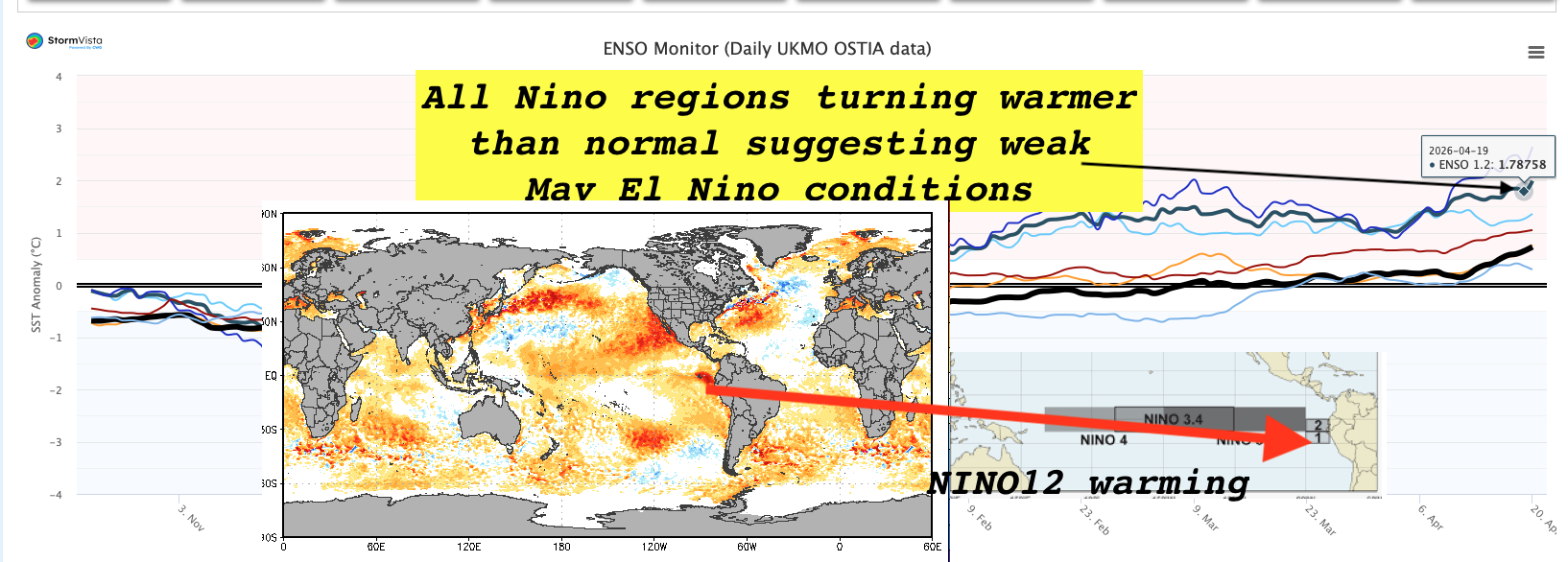
Image Source: ENSO Monitor
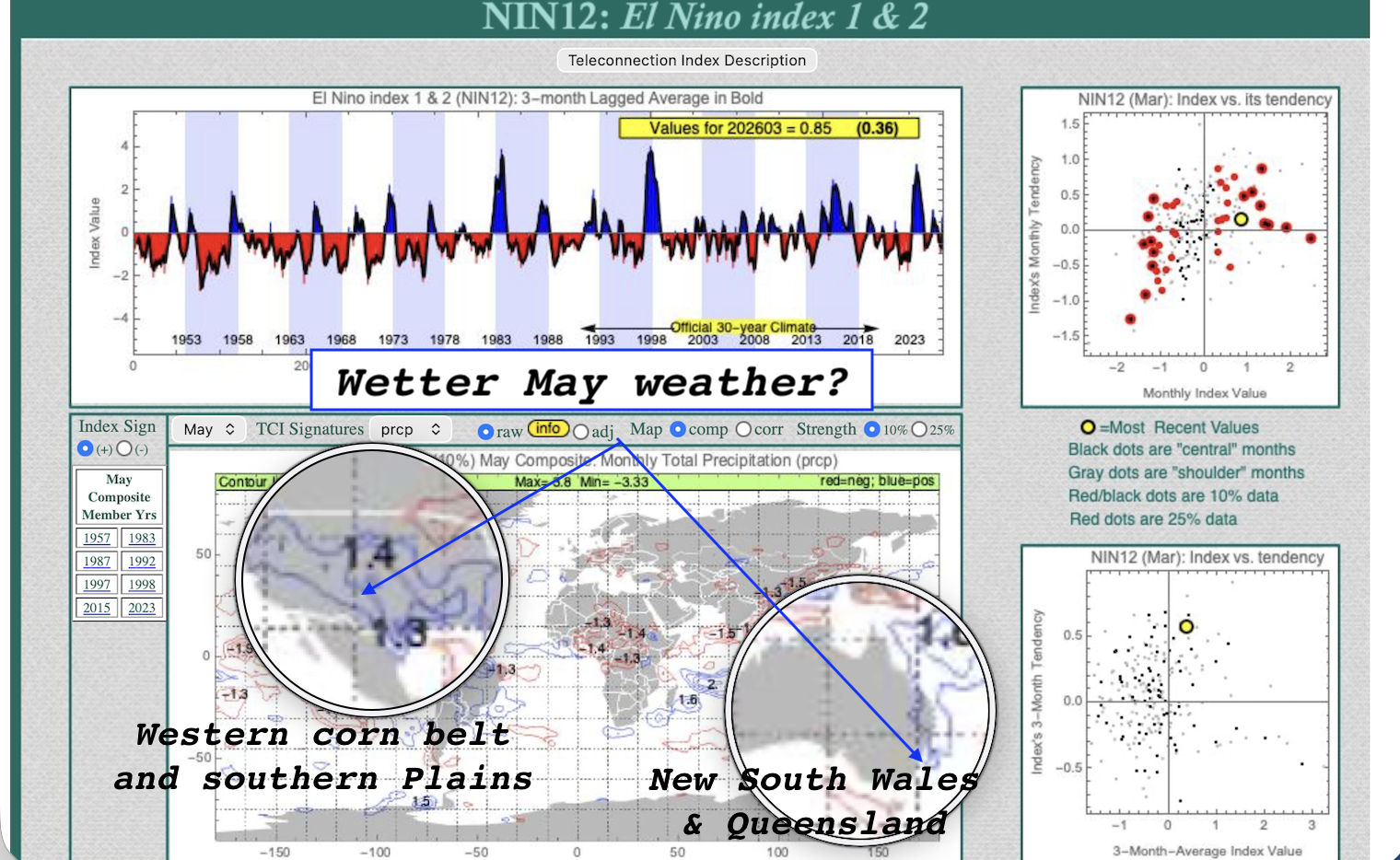
Image Source: Climate Predict, LLC (a Best Weather, Inc. company)
Rains should also improve for some wheat in eastern and southeastern Australia. However, the one caveat is the MJO in phase 1/2 that usually suppresses Australian rainfall. We will see.
Unfortunately, as we get deeper into 2026, El Niño, combined with a positive Indian Ocean Dipole, could pose significant crop risks in Australia later this year.
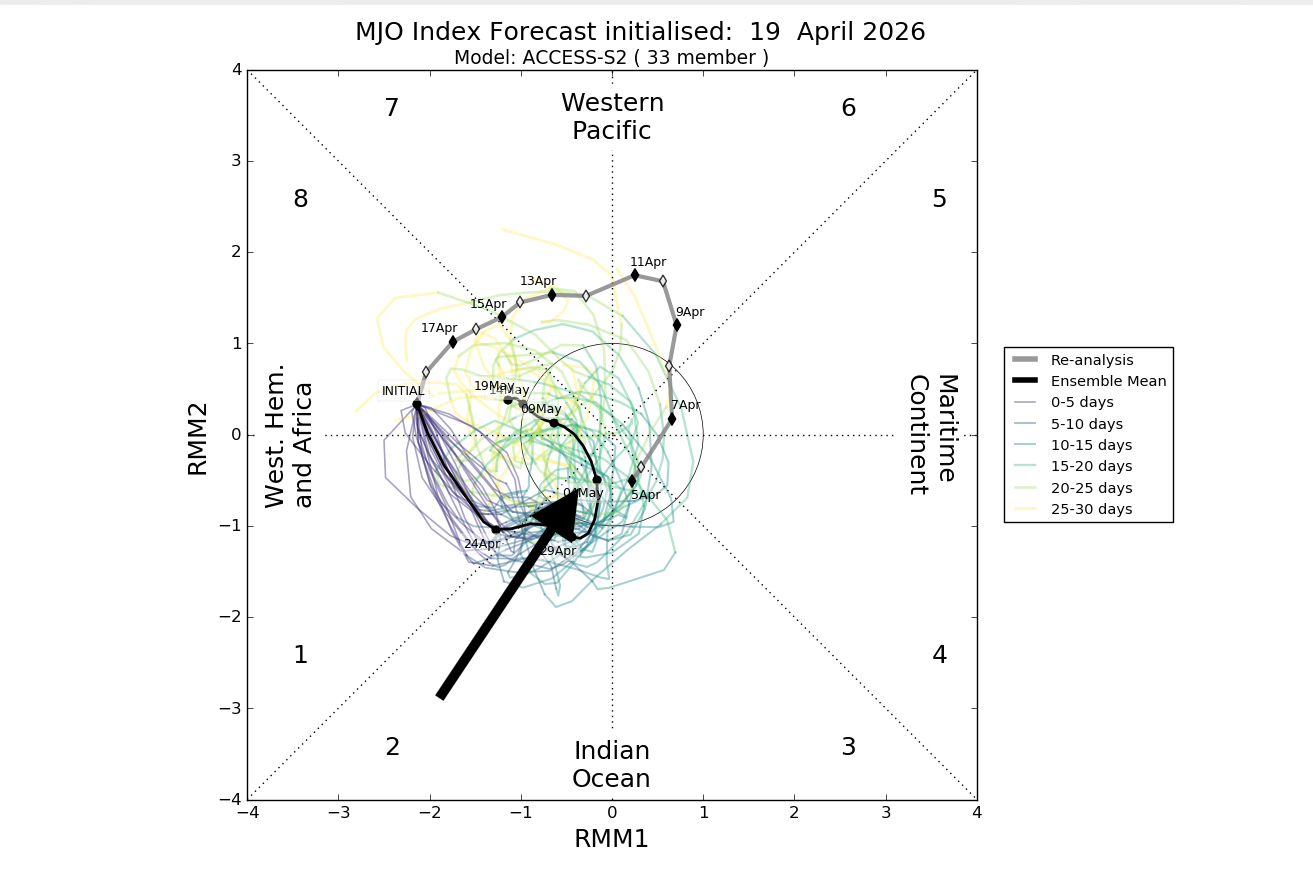
Image Source - Australian Bureau of Meteorology

Image Source - Australian Bureau of Meteorology
Receive a free Weather Wealth report about El Niño and the grain markets here >>>>> https://www.bestweatherinc.com/new-membership-options/
Thanks for your interest in Commodity Weather Intelligence !!!
- Jim Roemer and the Best Weather Team
Journey back to the 1930s with this Dust Bowl Ballad on YouTube CLICK HERE TO LISTEN AND WATCH

Mr. Roemer owns Best Weather Inc., offering weather-related blogs for commodity traders and farmers. He is also a co-founder of Climate Predict, a detailed long-range global weather forecast tool. As one of the first meteorologists to become an NFA-registered Commodity Trading Advisor, he has worked with major hedge funds, Midwest farmers, and individual traders for over 35 years. With a special emphasis on interpreting market psychology, coupled with his short and long-term trend forecasting in grains, softs, and the energy markets, he commands a unique standing among advisors in the commodity risk management industry.



/Unitedhealth%20Group%20Inc%20HQ%20photo-by%20jetcityimage%20via%20iStock.jpg)