




Through the first seven months of 2026, the VIX index has traded in a narrower range than in 2025. However, markets are moving into a season when stock market volatility often rears its ugly head. The...
Following brief, localized spikes in the VIX, the market’s broad “fear gauge,” the standard spot VIX has continuously struggled to maintain any persistent upward momentum, routinely sliding back...

You can easily replicate these watchlists on Barchart.

Warning: A key part of the options market you may be relying on is no longer working.

The ETF market is booming, and could soon swallow Wall Street — along with unsuspecting investors. Barchart columnist Rob Isbitts explains how his unique indicator pinpoints risk and what he wishes more...
For those who prefer not to use options, or who don’t want to use them after VIX has recently spiked, these ETFs can be handy tools.
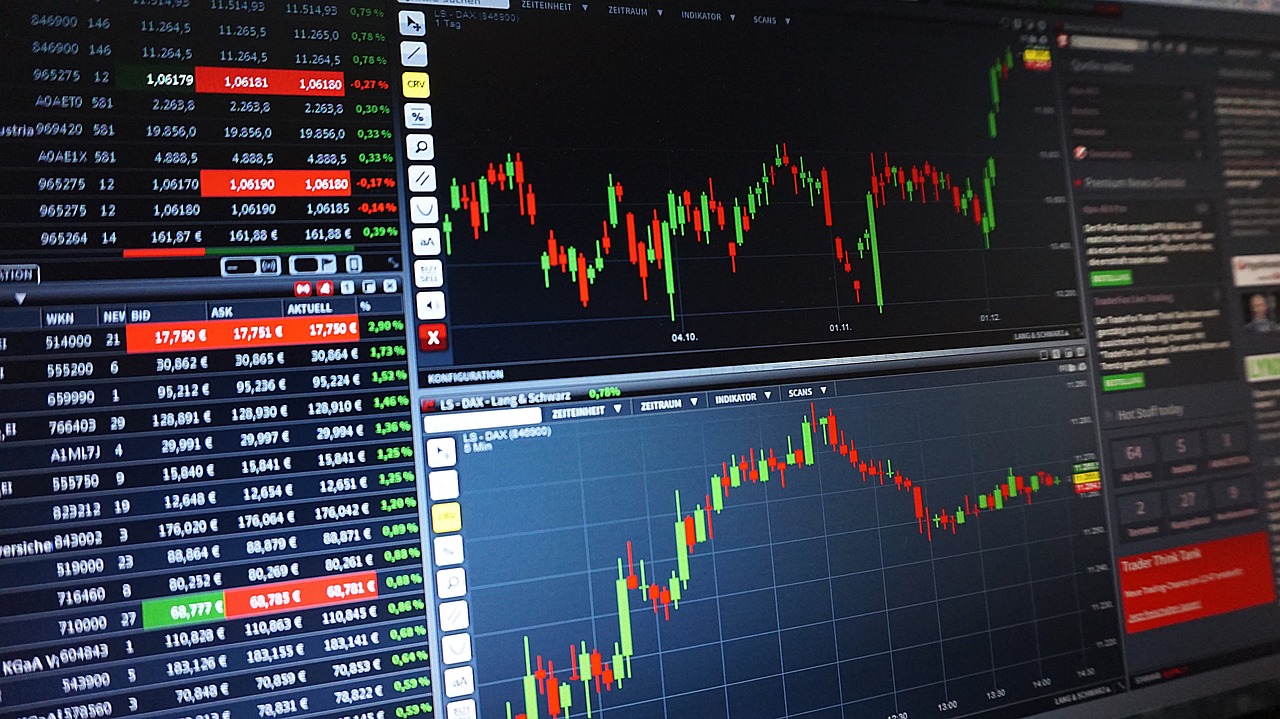
These three ETFs help you keep risk management and disaster protection front of mind.
This ETF may not be the most popular way to trade the VIX, but it could be the most worthwhile.
Investor confidence improved slightly after Powell’s comments last Friday, prompting the S&P 500 to jump slightly. However, with U.S. debt at record levels and persistent inflation risks, systemic vulnerabilities...
Persistent economic uncertainty and a volatile global trade landscape have elevated investors’ anxiety, pushing them toward safe-haven assets. Over the past week, the S&P 500 has faced increased volatility,...