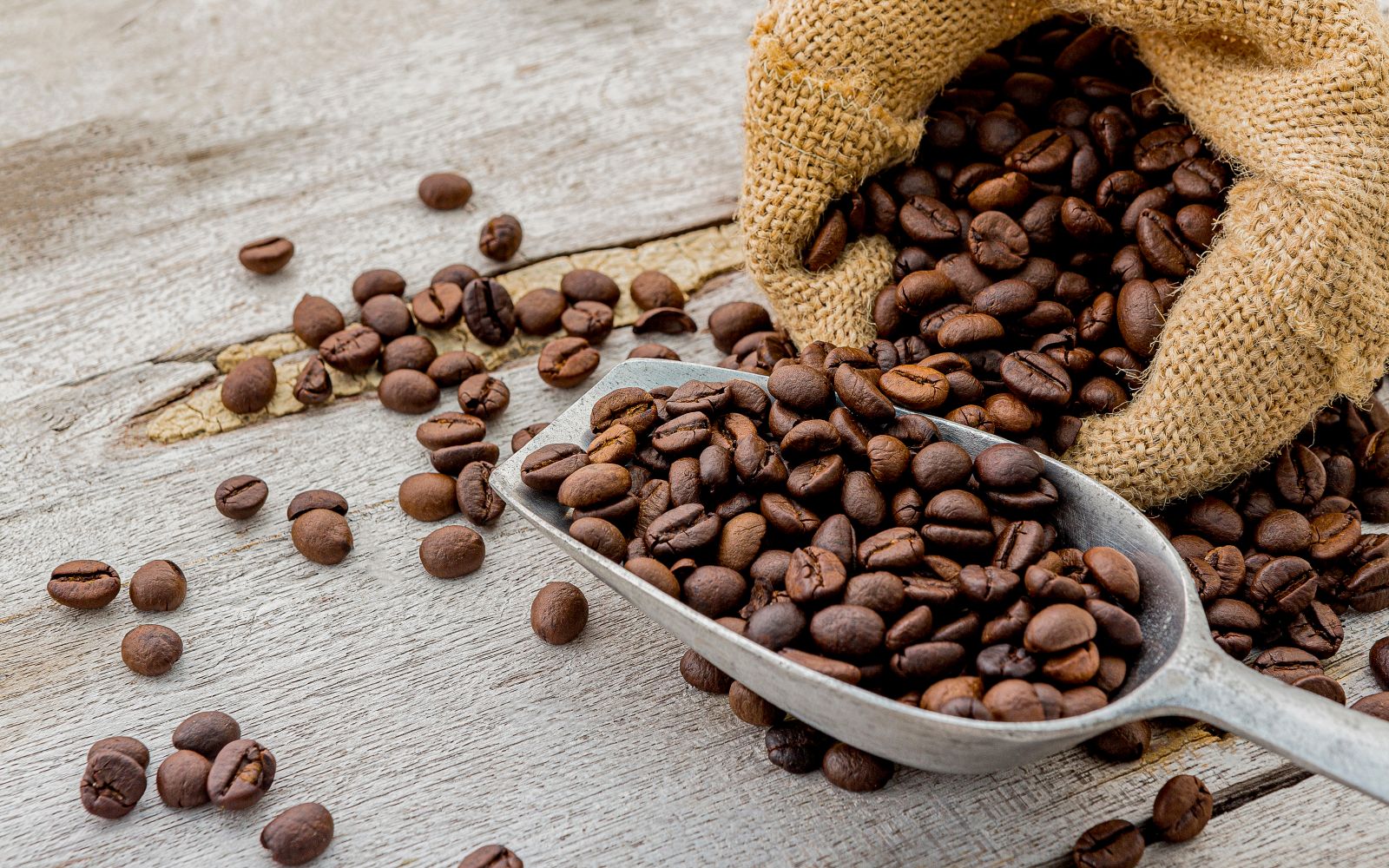
March arabica coffee (KCH23) on Wednesday closed up +3.90 (+2.58%), and Mar ICE robusta coffee (RMH23) closed up +7 (+0.37%).
Coffee prices Wednesday rallied moderately, with arabica posting a 1-week high. Coffee received a boost from the early slump in the dollar index to a 7-1/2 month low.
Another supportive factor for coffee prices was Monday's report from Cecafe that showed Brazil's 2022 green coffee exports fell -2.7% y/y to 35.6 mln bags, the lowest in 4 years.
An excessive short position in arabica coffee futures could fuel short covering pressures after last Friday's weekly Commitment of Traders (COT) report showed funds boosted their net-short arabica coffee positions by 18,274 the week ended January 10 to 30,172, a 3-year high.
An easing of dry conditions in Brazil may boost coffee yields and is bearish for prices. Somar Meteorologia reported Monday that Brazil's Minas Gerais region received 249.9 mm of rain last week, or 351% of the historical average. Minas Gerais accounts for about 30% of Brazil's arabica crop.
Last Wednesday, arabica plunged to a 20-month nearest-futures low as an improving global coffee supply outlook hammered prices. Coffee importer Wolthers Douque on Wednesday projected that Brazil's 2022/23 coffee crop would increase by +16% y/y to 65 mln bags due to improved weather conditions.
Abundant coffee supplies are undercutting coffee prices. ICE arabica coffee inventories have risen steadily since falling to a 23-year low of 382,695 bags on November 3 and posted a 6-1/2 month high of 858,661 bags Wednesday.
Increased coffee exports from Vietnam, the largest robusta producer, are weighing on robusta prices after the General Statistics Office of Vietnam reported last Monday that Vietnam's Jan-Dec coffee exports were seen up +13.8% y/y at 1.8 MMT.
On the bullish side for coffee prices was the January 4 report from the Colombia Coffee Growers Federation that showed Colombia's 2022 coffee exports fell -8% y/y to 11.1 mln bags. Colombia is the world's second-biggest producer of arabica coffee beans.
Robusta coffee has support on signs of tighter supplies after ICE-monitored robusta coffee inventories on January 5 fell to a 4-1/2 year low of 6,397 lots.
On the bearish side, U.S. green coffee inventories are plentiful after the Green Coffee Association on Tuesday reported that U.S. Dec green coffee inventories rose +9.3% y/y to 6.38 mln bags. Also, Conab on December 15 raised its 2022 Brazil coffee production estimate to 50.9 mln bags from a 50.4 mln bag estimate in Sep, up +6.7% y/y.
The USDA, in its bi-annual report released on December 23, cut its global 2022/23 coffee production estimate by -1.3% to 172.8 mln bags from a June estimate of 175.0 mln bags. In addition, the USDA cut its 2022/23 global coffee ending stocks estimate by -1.7% to 34.1 mln bags from a June estimate of 34.7 mln bags.
The International Coffee Organization (ICO) reported on December 2 that global coffee exports in Oct fell -1.9% y/y to 9.87 mln bags.
In a bullish factor, the USDA's Foreign Agriculture Service (FAS) on November 22 cut its Brazil 2022/23 coffee production forecast by -2.6% to 62.6 mln bags from a prior estimate of 64.3 mln bags. This year was supposed to be the higher-yielding year of Brazil's biennial coffee crop, but coffee output this year was slashed by drought.
More Coffee News from Barchart
- Coffee Prices Push Higher on Dollar Weakness
- The First WASDE of 2023
- Cocoa Prices Post Modest Losses on Adequate Ivory Coast Cocoa Supplies
- Sugar Closes Moderately Higher as Crude Oil Climbs
On the date of publication, Rich Asplund did not have (either directly or indirectly) positions in any of the securities mentioned in this article. All information and data in this article is solely for informational purposes. For more information please view the Barchart Disclosure Policy here.

/Micron%20Technology%20Inc_%20logo%20on%20building-by%20vzphotos%20vis%20iStock.jpg)