



(ZWK26) (KEK26) (MWK26) (WEAT) (DBA) (TAGS)
“The First Wheat Bull Market in Years?”
March 25, 2026
by Jim Roemer
Meteorologist
Commodity Trading Advisor
Principal, Best Weather Inc.
Co-Founder, Climate Predict LLC
Publisher, Weather Wealth Newsletter
Scott Mathews, Editor-in-Chief
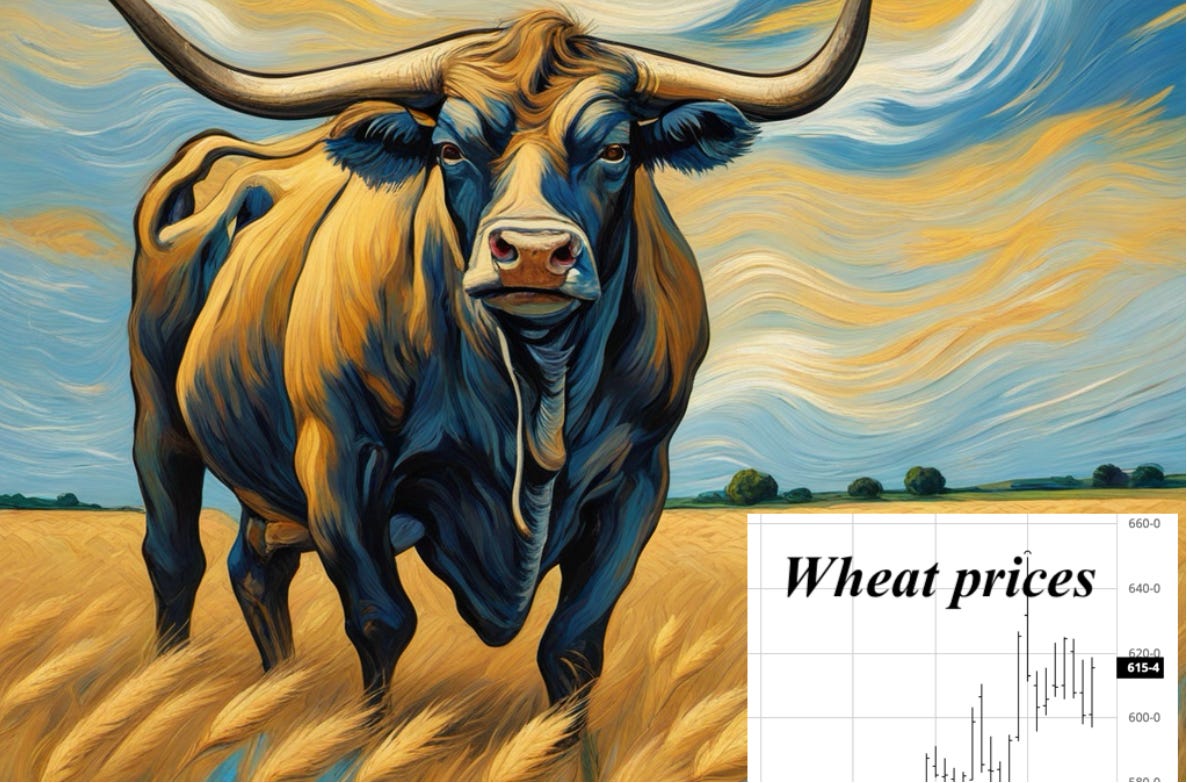
Image: Rendered by Jim Roemer via Chat GPT- Chart via Barchart.com with comment superimposed by BestWeather, Inc.
Our video (scroll down for link) addresses three very important climatic teleconnections that may worsen the U.S. wheat crop in the weeks ahead. April and May are critical times for wheat crops in Europe, Ukraine, and most of the U.S.
The key teleconnections that help us develop ETF, futures, and option strategies for clients are:
1) A weakened La Niña;
2) Lingering negative global atmospheric angular momentum (GLAAM) that can sometimes result in dryness for parts of the Midwest or the Plains;
3) A major warm block (-WPO index) in northwestern Alaska that can bring occasional cold snaps to either the U.S. and/or Russia that could threaten wheat yields.
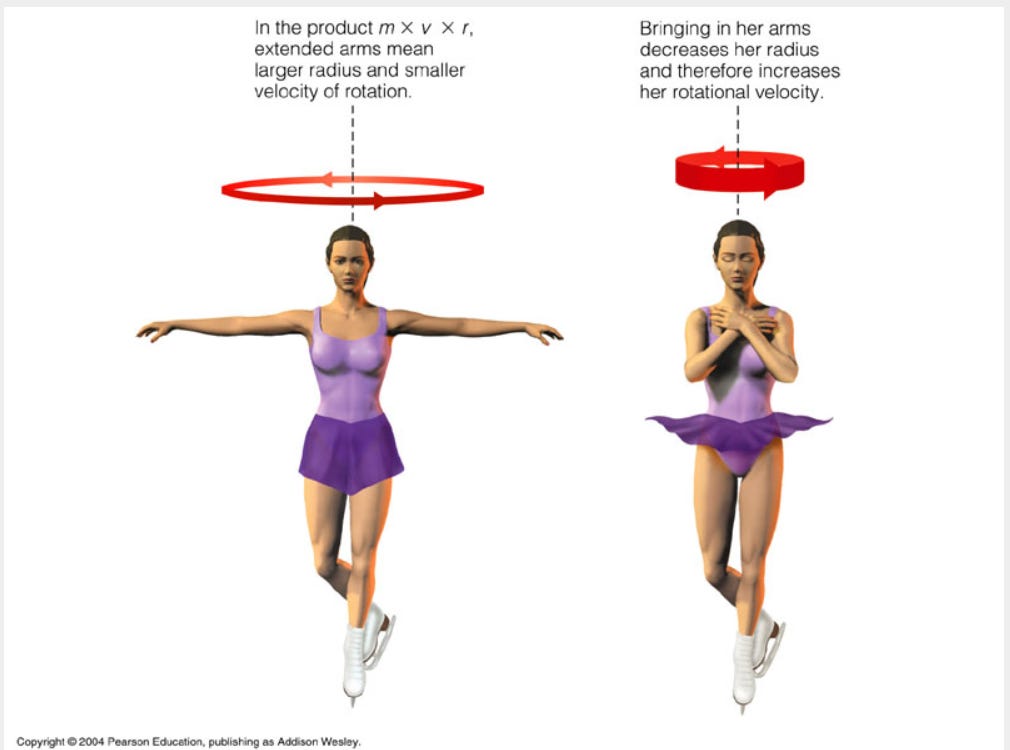
Source: Pearson Education
Global Atmospheric Angular Momentum (GLAAM) is a measure of the total rotation of the atmosphere relative to the Earth. When this index is negative, it indicates that the atmosphere is rotating more slowly (ice dancer on the left) than the Earth’s surface, typically resulting in easterly wind anomalies.
In the spring, a negative GLAAM phase often leads to dryness in the U.S. Great Plains wheat areas. The key point here is that even though La Niña has “officially” weakened to neutral, the atmosphere can still occasionally act as if La Niña is present when GLAAM is negative.
Watch this five-minute video (below) in which I discuss the developing Plains drought and which of the factors we are tracking.
Source: Video by Jim Roemer, rendered by Google Notebook LM
Causing major volatility in the wheat market, several other factors are:
The US-Israel war on Iran and logistical issues in transporting wheat,
The Russian war on Ukraine could lower Ukrainian wheat production,
Recent heat stress to wheat crops in India,
The stronger U.S. dollar can sometimes hurt grain prices.
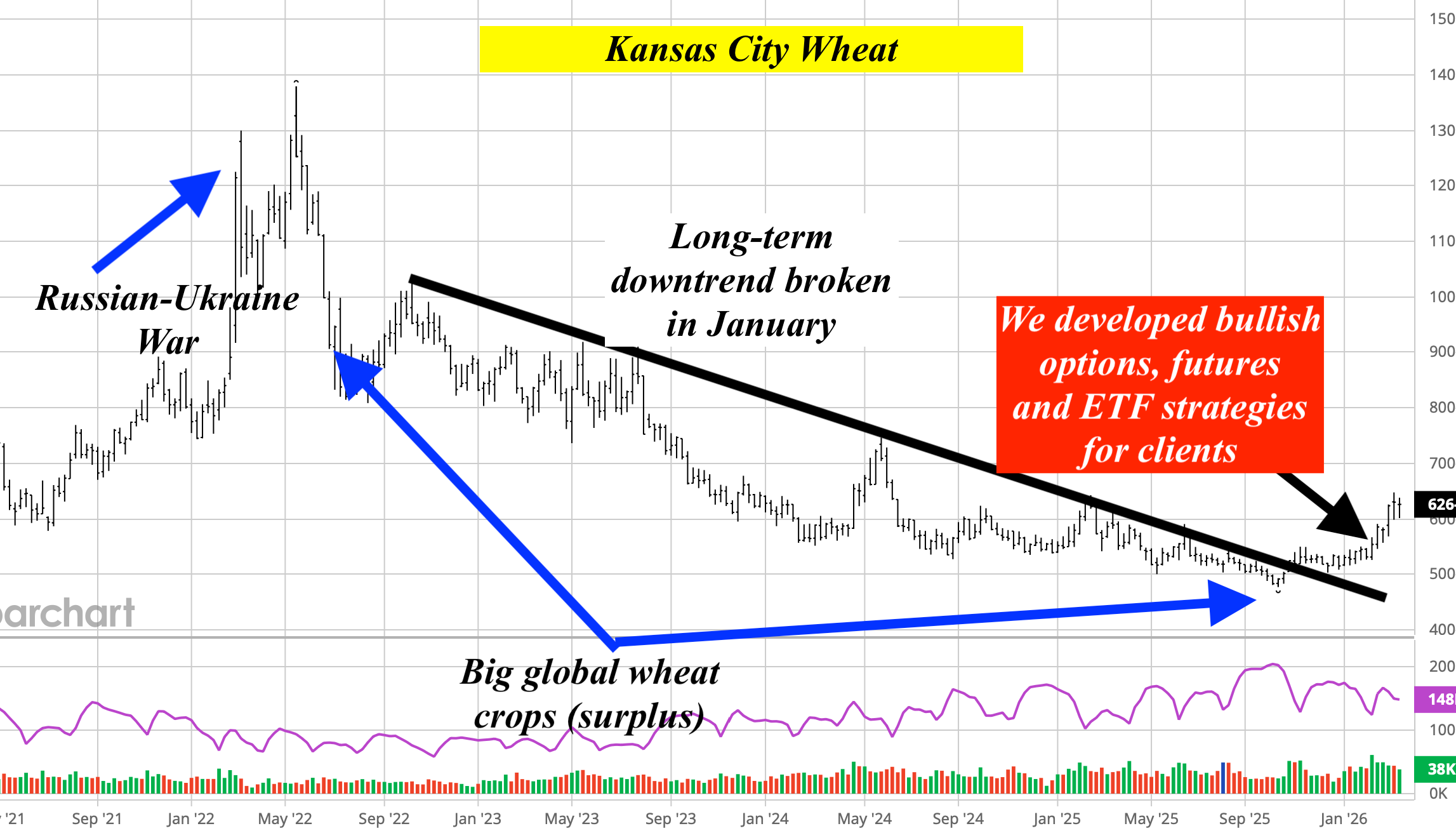
Image Source: Chart by Barchart.com, superimposed captions and markings by Weather Wealth Newsletter

Request a WeatherWealth free trial » CLICK HERE
Remember, when trading commodities, always apply risk management, such as stop-loss orders and position sizing, and consider using spreads to isolate the seasonal component of a particular market move.
Mr. Roemer owns Best Weather Inc., offering weather-related blogs for commodity traders and farmers. He is also a co-founder of Climate Predict, a detailed long-range global weather forecast tool. As one of the first meteorologists to become an NFA-registered Commodity Trading Advisor, he has worked with major hedge funds, Midwest farmers, and individual traders for over 35 years. With a special emphasis on interpreting market psychology, coupled with his short-term and long-term trend forecasting in grains, softs, and energy markets, he holds a unique standing among advisors in the commodity risk management industry.


/A%20close-up%20of%20a%20SpaceX%20sign%20by%20Sundry%20Photography%20via%20Adobe%20Stock.jpeg)
/Green%20hydrogen%20by%20Scharfsinn%20via%20Shutterstock.jpg)
/Abbvie%20Inc%20HQ%20photo-by%20vzphotos%20via%20iStock.jpg)
