



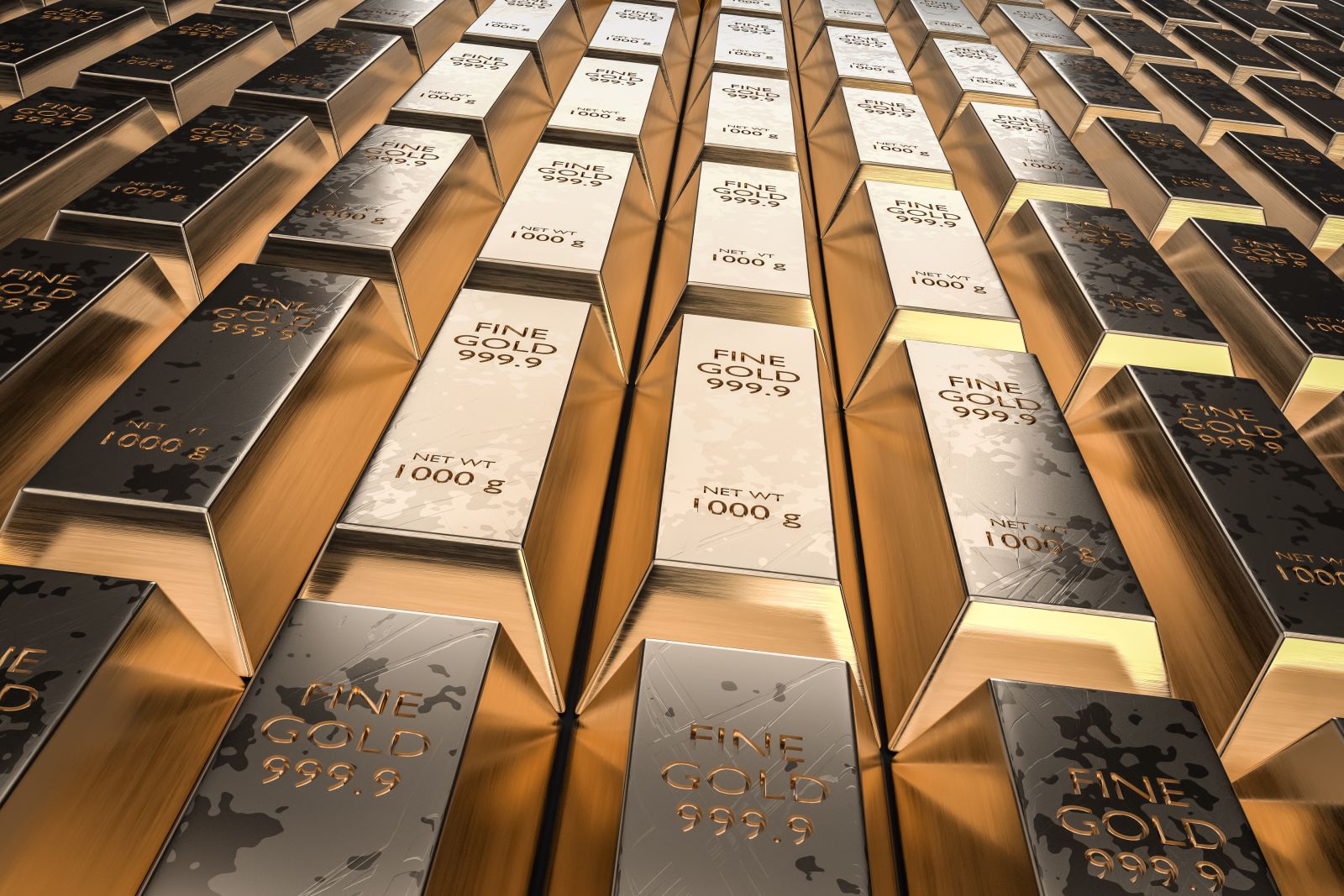
Gold closed out 2025 worth 65% more than where it started—its best gain in more than 40 years. But 2026 has been a different beast. The auric metal started the year with a head of steam, but it has been giving up ground ever since the start of the Iran war. In fact, gold prices are sitting a couple percentage points lower for the year-to-date.
I'm not here to discuss whether gold will reclaim or even surpass its previous highs. I'm just here to talk about the many ways exchange-traded funds can help you get exposure if you want it.
Here are a few of the best gold ETFs you can buy.
Disclaimer: This article does not constitute individualized investment advice. Individual securities, funds, and/or other investments appear for your consideration and not as personalized investment recommendations. Act at your own discretion.
Related: 10 Best ETFs to Beat Back a Bear Market
The Best Gold ETFs to Buy Now
If you're convinced that ETFs are an ideal way to buy gold, the next thing to do is pick one.
The world of gold-related ETFs is relatively tight, at just a few dozen products. Still, some are better than similarly built rivals, while others provide a type of gold exposure that other funds simply don't.
Let's check out a few selections from my fuller list of the best gold ETFs.
SPDR Gold Shares
- Style: Physical gold
- Assets under management: $141.4 billion
- Expense ratio: 0.40%, or $4.00 per year for every $1,000 invested
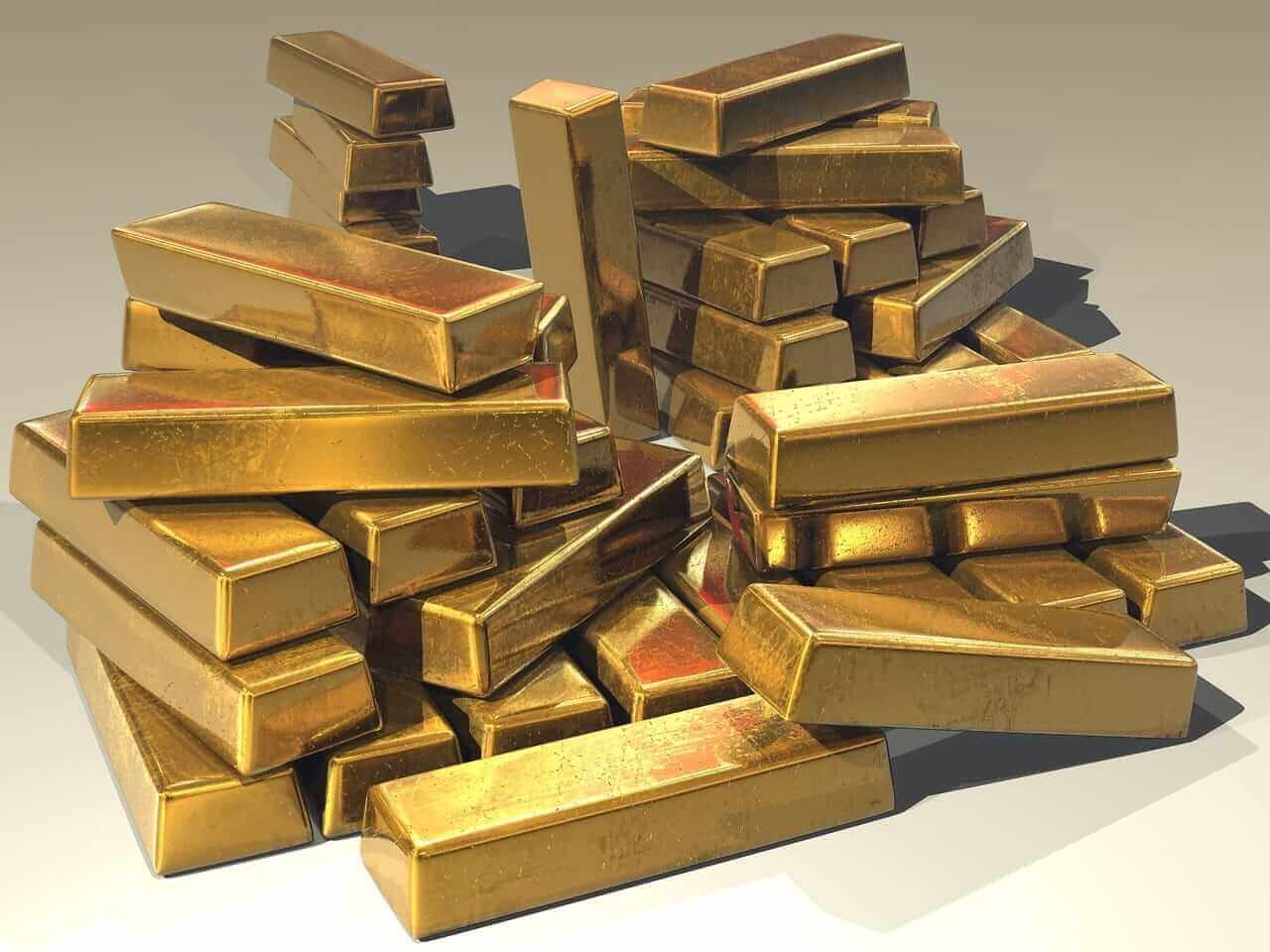
The SPDR Gold Shares (GLD), which debuted in November 2004, is the oldest and largest U.S.-traded gold ETF—and a model for most gold ETFs that have been launched since then.
Like so many funds that followed, GLD allows you to own a fractional interest in physical gold bullion, saving you the aforementioned hassles of physical gold ownership. Originally, iShares kept that bullion in vaults in London, but it has since expanded its storage to New York and Zurich.
Related: Do These 7 Bear Market Tips Hold Up to Scrutiny?
And that's it. That's all there is to it. Physical gold ETFs are extremely simple. You buy shares. Shares represent gold stored somewhere. Gold prices go up, shares go up. Gold prices go down, shares go down.
Naturally, then, the market's dozen or so physical gold ETFs are extremely similar to one another, and distinguishable from one another by just a few traits. The two that matter the most are fund expenses and liquidity. SPDR Gold Shares is king of the latter, trading 9 million shares daily. Why does that matter? That trading volume tends to produce tighter price spreads, lower transaction costs, and better options markets—three things that traders value.
Per the former, which is something that long-term investors value, GLD is … not great, actually. It's one of the most expensive physical gold ETFs at 0.40% in annual fees. GLD has a market-leading $140 billion in assets despite its costs—you can instead chalk that up to its trader-friendliness, 20-plus years of trading history, and unmatched name recognition in the space.
If you're a trader, then, GLD is a great. But if you're a long-term investor, you might want to consider the next fund instead.
Invest With CIBC
CIBC Investor's Edge lets you trade U.S. and Canadian stocks and ETFs, options, mutual funds, and bonds through registered accounts like FHSAs, TFSAs, RRSPs, and RESPs, as well as non-registered accounts.
Sign up with our link today and use promo code EDGE2026 to get 200 free trades with CIBC Investor's Edge.
iShares Gold Trust Micro
- Style: Physical gold
- Assets under management: $6.8 billion
- Expense ratio: 0.09%, or 90¢ per year for every $1,000 invested
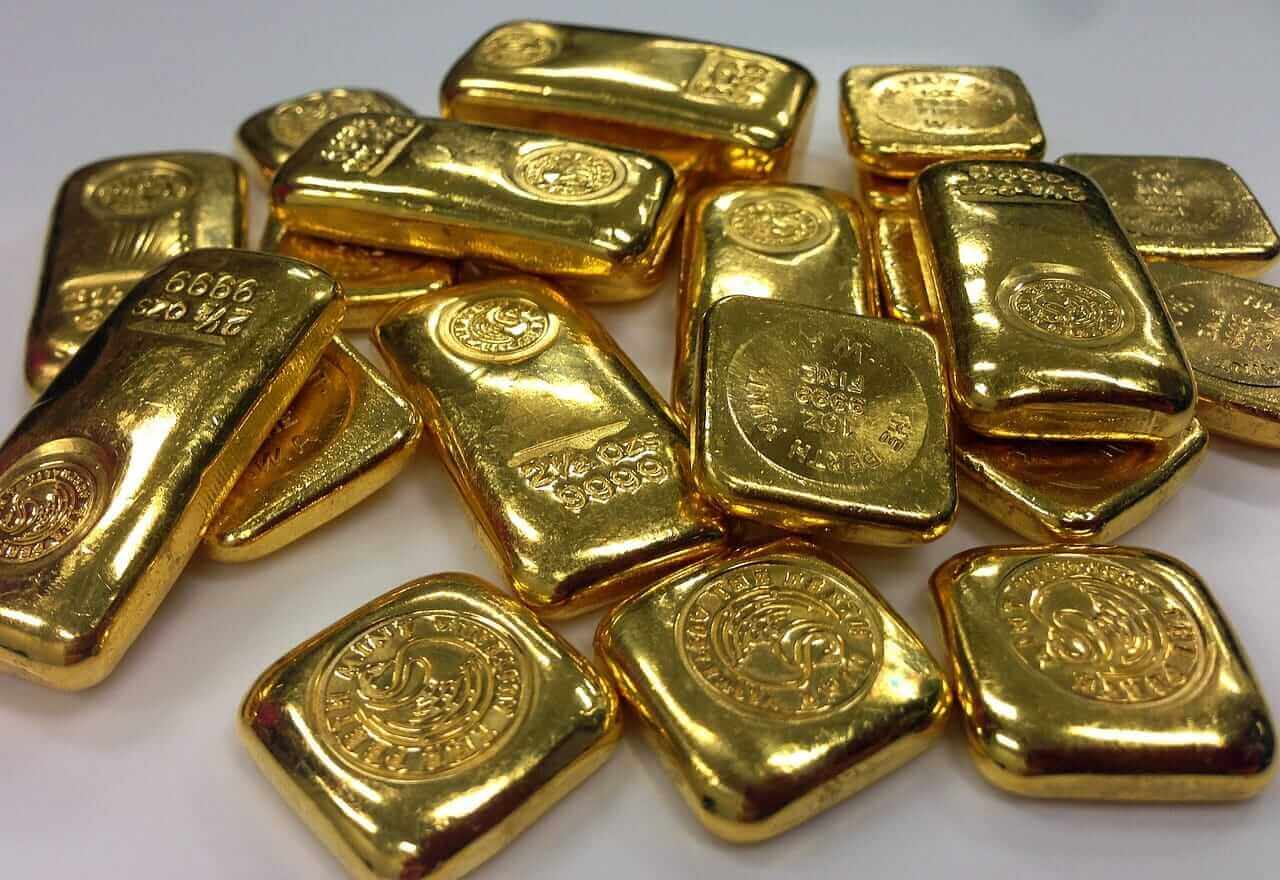
The iShares Gold Trust Micro (IAUM) is—get ready for it!—backed by gold bullion stored in vaults.
IAUM works the same as GLD, the same as its larger sister fund, the iShares Gold Trust (IAU), and the same as most other physical gold ETFs. It's based on gold that's stashed away in vaults (in London and New York, specifically).
But where IAUM stands apart is its cost. At least for right now, it's the best gold ETF for low fees, charging a thin 0.09% annually.
Why do I say "for right now"? Generally speaking, virtually every fund is at risk of another fund undercutting it on price—so that risk is rarely worth mentioning. However, in this case, gold ETFs aren't far removed from an intense, yearslong fee war that saw smaller operators undercut legacy funds like GLD and IAU, which eventually prompted their providers (State Street Global Advisors and iShares, respectively) to create cheaper versions that could compete on price.
Do I think iShares' micro gold fund is at immediate risk of another fund beating it on fees? Not really, and even if that does happen, IAUM would still be incredibly cheap. But just given the relatively recent fee actions in the space, it's fair to say IAUM is at slightly-higher-than-normal risk of that happening.
Lastly, while buy-and-hold investors don't really need to be concerned with uber-tight price spreads and robust options markets, they do need at least enough liquidity that they can enter and exit positions whenever they please. And while IAUM has less liquidity than GLD, it still trades a very-liquid 6.4 million shares daily.
Make sure you sign up for The Weekend Tea, Young and the Invested's free weekly newsletter that over 10k monthly readers use to level up their money know-how.
Invesco DB Precious Metals Fund
- Style: Precious metals futures
- Assets under management: $259.8 million
- Expense ratio: 0.70%*, or $7.00 per year for every $1,000 invested
Numerous gold miners don't mine for gold alone—they might also mine for silver, copper, and other metals. Thus, any gold mining ETF you hold will provide you exposure not just to gold prices, but the prices of other metals, too … even if it's just incidentally.
But the Invesco DB Precious Metals Fund (DBP) intentionally exposes you to more than just gold.
DBP provides roughly 75% exposure to gold, a little less than 20% to silver, and the rest to other precious metals such as platinum. But the ETF doesn't represent physical metal stored somewhere; it holds metal futures, as well as U.S. Treasury securities and money market instruments that are used as collateral to back the futures positions.
Related: 10 Monthly Dividend Stocks for Frequent, Regular Income
Futures-based commodity funds are very different creatures than "spot" (physical) funds. Spot funds will always give you performance that's more closely tied to a commodity's spot price than futures, which moreso reflect where traders think a commodity will trade in the future. Futures also involve leverage, which can magnify gains and losses alike.
If you prefer the simplicity of spot ETFs that directly track the metal, you're better off just buying physical-metal ETFs. DBP merely represents a streamlined way to diversify your commodity exposure in a single fund.
* 0.76% gross expense ratio is reduced with a 6-basis-point fee waiver until at least Aug. 31, 2026.
Learn More About These and Other Funds With Morningstar Investor
If you're buying a fund you plan on holding for years (if not forever), you want to know you're making the right selection. And Morningstar Investor can help you do that.
Morningstar Investor provides a wealth of information and comparable data points about mutual funds and ETFs—fees, risk, portfolio composition, performance, distributions, and more. Morningstar experts also provide detailed explanations and analysis of many of the funds the site covers.
With Morningstar Investor, you'll enjoy a wealth of features, including Morningstar Portfolio X-Ray®, stock and fund watchlists, news and commentary, screeners, and more. And you can try it before you buy it. Right now, Morningstar Investor is offering a free seven-day trial and a discount on your first year's subscription when you use our exclusive link.
Read more from Young and the Invested
- 8 Best Schwab Index Funds for Thrifty Investors
- 8 Low- and Minimum-Volatility ETFs for Peace of Mind in 2026
- 7 Best Closed-End Funds (CEFs) Paying Us Up to 16%

/AI%20(artificial%20intelligence)/Ai%20chip%20by%20Quality%20Stock%20Arts%20via%20Shutterstock.jpg)

/A%20hand%20holding%20a%20phone%20with%20the%20Reddit%20logo_%20Mamun_Sheikh%20via%20Shutterstock_.jpg)
/Seagate%20sign%20on%20the%20building%20atits%20operational%20headquarters%20By%20JHVEPhoto.jpeg)
/Apple%20logo%20on%20store%20front%20by%20frantic00%20via%20iStock.jpg)