





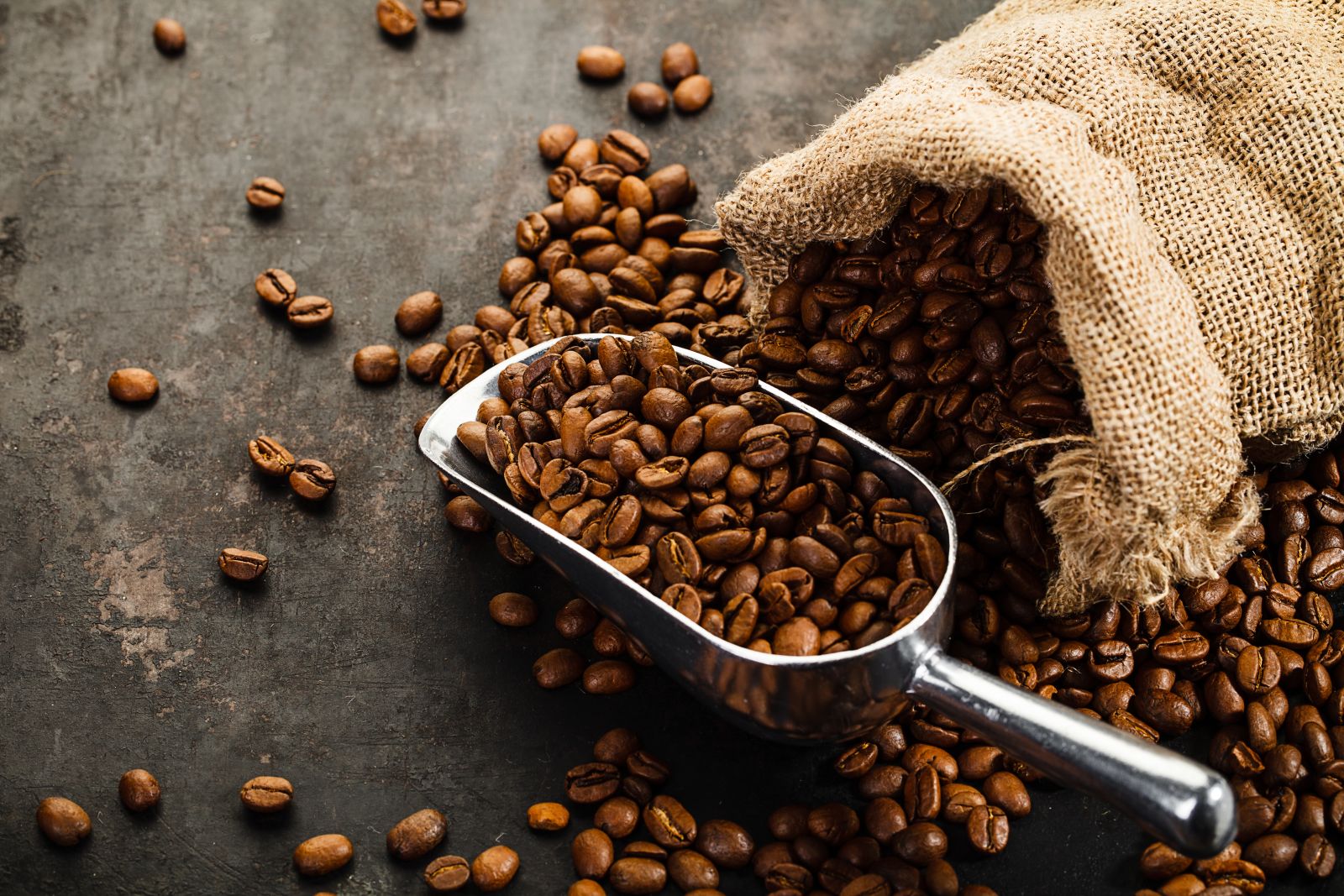
March arabica coffee (KCH23) on Friday closed up +2.30 (+1.41%), and Jan ICE robusta coffee (RMF23) closed up +15 (+0.81%).
Coffee prices Friday moved moderately higher, with robusta climbing to a 2-1/2 week high. Signs of smaller global coffee output are bullish for coffee prices. The USDA's Foreign Agriculture Service (FAS) on Tuesday cut its Brazil 2022/23 coffee production forecast by -2.6% to 62.6 mln bags from a prior estimate of 64.3 mln bags. Also, FAS cut its Colombia 2022/23 coffee production forecast by -3.1% to 12.6 mln bags from a prior estimate of 13 mln bags. Robusta rallied today on signs of tighter supplies after ICE-monitored robusta coffee inventories dropped to a 4-year low.
Coffee prices also have carry-over support from Monday when Somar Meteorologia reported that Brazil's Minas Gerais region received 35.9 mm of rain last week, or only 72% of the historical average. Minas Gerais accounts for about 30% of Brazil's arabica crop.
Large hedge-fund short positions have raised the possibility of short-covering pressure in robusta coffee futures. Friday's weekly Commitment of Traders report (COT) showed that funds in the week ended Nov aa raised their net-short robusta coffee positions by 898 to a 2-year high of 29,439 contracts.
Robusta coffee prices have underlying support from tight inventories. ICE robusta coffee inventories fell to a 4-year low of 8,674 bags on Friday. ICE arabica coffee inventories fell to a 23-year low of 382,695 bags on Nov 3, but those inventories then rebounded by more than +43% to a 2-1/4 month high of 550,749 bags on Wednesday. In a bearish factor, the Green Coffee Association reported last Tuesday that U.S. Oct green coffee inventories rose +5.8% y/y to 6,320,157 mln bags.
Smaller global coffee exports support coffee prices after the International Coffee Organization (ICO) reported on Nov 7 that global coffee exports during Oct-Sep fell -0.4% y/y to 129 million bags. Also, the Colombia Coffee Growers Federation reported on Nov 4 that Colombia's Oct coffee exports fell -5% y/y to 942,000 bags. Colombia is the world's second-largest producer of arabica beans. Also, Cecafe reported last Thursday that Brazil's Oct green coffee exports fell -2.9% y/y to 3.18 mln bags. However, Vietnam's General Department of Customs reported on Oct 7 that Vietnam exported 1.73 MMT of coffee in the 2021/22 season that ended Sep 30, a 4-year high. Vietnam is the world's biggest producer of robusta coffee beans.
There is some optimism about Brazil's longer-term coffee crop outlook after World Weather recently said frequent rain and abundant sunshine had created a "pretty good environment" for Brazil's 2023/24 coffee crop. However, Cooxupe, Brazil's biggest arabica coffee cooperative, said that next year's harvest is likely to be as weak as this year's harvest due to the slow development of Brazil's new coffee crop.
In a bullish factor, Brazil's crop agency Conab on Sep 20 cut its 2022 Brazil coffee production estimate to 50.4 mln bags from a May estimate of 53.4 mln bags as adverse weather curbed coffee yields. This year was supposed to be the higher-yielding year of Brazil's biennial coffee crop, but coffee output this year was slashed by drought.
In a bearish factor, the USDA, in its bi-annual report released in June, projected that 2022/23 global coffee production would climb +4.7% y/y to 174.95 mln bags, primarily due to Brazil's arabica crop entering the on-year of the biennial production cycle. The USDA projects that 2022/23 global coffee ending stocks will climb +6.3% y/y to 34.704 mln bags.
More Coffee News from Barchart
- Cocoa Closes Moderately Higher on Weekend Short Covering
- Coffee Pushes Higher on Signs of Smaller Global Output
- NY Cocoa Prices See Support from Dollar Weakness
- Sugar Prices Slip on Lower Crude Oil Prices


/A%20close-up%20shot%20of%20a%20Broadcom%20chip%20by%20g0d4ather%20via%20Adobe%20Stock.jpeg)
/A%20close-up%20of%20a%20SpaceX%20sign%20by%20Sundry%20Photography%20via%20Adobe%20Stock.jpeg)
/NVIDIA%20Corp%20video%20chip-by%20Antonio%20Bordunovi%20via%20iStock.jpg)
