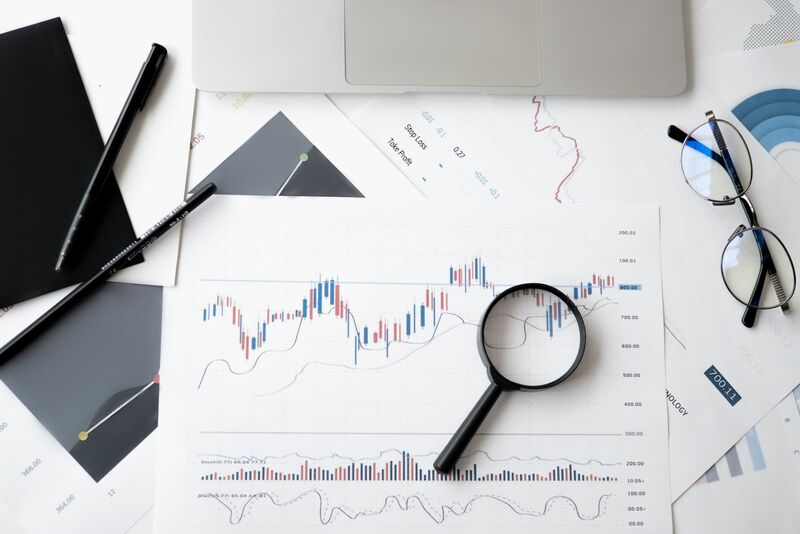
Futures markets trade in two different asset classes, financial and physical futures contracts. Financial futures are paper assets, stock indexes, interest rates, and currency futures. Traders getting started in futures trading are usually familiar with trading stocks. A lateral move from stock trading to futures trading would be learning to trade financial futures first.
Financial futures offer 23 hours of trading from Sunday to Friday, and the markets expire in the same months (March, June, September, and December). The same economic reports affect the financial futures and have consistently good liquidity.
Once a Futures trader has been trading the financial futures markets for a while, they may want to begin trading the physical commodity futures markets. Products traded as physical futures include metals, energy, grains, livestock, softs, and lumber.
There should be no hurry to trade these physical products until you understand the futures markets in general. After all, these markets have been around for over 200 years, and I am sure they will be here when you are ready.
Physical futures expire in different months per product. Some have much shorter trading hours, limit-moves occur more often, weather can play an important role, and some have poor liquidity.
In this article, I'd like to show you a checklist for setting up a swing trade in the commodity (physical) futures markets. You do not have to use all these steps, but they are to give you some guidelines for structuring your trading plan to create consistent trading setups.
Look for a Seasonal Pattern
While traders could randomly scan their charts for a market to trade, identifying markets with a seasonal pattern is a good starting point. There are many futures markets to trade, and finding one ready to move can be challenging for most traders.
A few companies offer research on seasonal patterns for both outright (long or short) positions and spread trading. There are software packages available to allow traders to create their criteria for identifying seasonal patterns.
Moore Research Center (MRCI) has been around since 1990 and is well-known throughout the futures industry. They offer monthly research reports and long-term historical research to allow you to do your analysis. Notice I said "research" and not "recommendations." These are all historical analyses attempting to anticipate what will happen in the future with some sense of consistency.
There may be events keeping you from trading a seasonal pattern. For example, if the trade is against the trend, and the market does not reach your level to enter your trade, fundamental news or an economic report could distort the seasonal pattern this year, etc. Due to individual traders' risk tolerances, some research may not be used.
Check the Fundamentals for a Discrepancy with the Seasonal Patterns
This implies doing a little research about the market you are trading. Remember, seasonal patterns were calculated with data and events from the past. If you see a seasonal pattern that you are interested in, look to see if anything is happening this year that could adversely impact the research.
Events such as weather are one of the most significant disruptions in even the best seasonal patterns. Remember the summer of 2012 when parts of the US were experiencing the worst drought in 50 years? Or this year, the grain markets have rallied strongly due to the Russian/Ukraine war. Knowing this information would have kept a trader from using a seasonal pattern to sell the grain markets as we came into the harvest season.
Trading the metals markets requires awareness of significant mining strikes and geo-political events. Energy traders might want to pay attention to situations in the Middle East or countries like the US, China, or India showing signs of significant economic expansion or contraction. You don't need to micro-manage this information; please be aware of important events and be mindful of your market's environment.
Determine the Margin Required to Trade
Visiting the exchange website that your market trades on will identify the amount of margin needed to trade. Your futures broker website will list the margin requirements to hold these positions overnight. The volatility and risk of the market you are planning to trade will determine how much capital will be required for margin. Futures exchanges will set these margin rates based on the risk mentioned above and volatility.
Markets with high margin requirements may be too volatile for you to trade. Consider using micro or mini contracts if the standard contract is too expensive to trade.
Another Alternative to High Margin, Use Options
Before you enter this arena, I would strongly suggest you understand how the options market works. Consider using options if the overnight margin is too expensive and no micro or mini contract is available. These have limited risk and unlimited reward when buying the option. The danger is selling options exposing the trader to the unlimited risk and limited reward. There are so many moving parts to an options trade that trading options without the proper education will most likely lead to a loss.
Does Your Market Have Daily Price Limits or Circuit Breakers?
You can visit the exchange website on which your market trades and the products contract specifications page to be more informed about these rules.
Limit moves are caused by a supply/demand imbalance, causing the market to close at a locked limit for the day. The next session usually results in a gap opening due to the supply/demand imbalance. If a trader could not get out during the prior session before the market went locked limit, the gap opening on the next session is where the excessive loss slippage can occur.
Circuit breakers only stop the market momentarily and will resume trading during the same session.
Calculate How Many Contracts to Trade and the Maximum Loss to Accept
Depending on your account size, the amount of margin will determine the maximum amount of contracts you can trade. Here is a formula you can use to determine the number of futures contracts to trade:
Number of Contracts to Trade = (Account Size $ X Risk %) / (Stop Loss $) = Maximum Number of Contracts to Trade
Example:
$15,000 X 1.5%= $225 / $175 = 1.28 Maximum Contracts to Trade
Determine how much of your account you are willing to risk for each trade. Many traders use between 1% and 2% of their accounts per trade. In the above example, the trader decided to use 1.5%.
After figuring out the dollar value of 1.5% of their account, they could divide that amount by the size of risk this current trade will be. The trader can trade 1.28 contracts using the risk management formula described. Futures contracts cannot be broken up, and traders must trade the entire contract. Rounding down in contract size will reduce risk.
Upcoming Economic Reports or Physical Market Reports Should be Reviewed
Most traders know the major economic reports affecting the financial futures that come out every month and their release dates. But the physical commodity markets report dates are a little harder to remember.
You will need a source for both economic and physical commodity reports. Barchart provides an in-depth dynamic calendar.
Global Economic & Physical Commodity Calendar provided by Barchart.
The grains, livestock, and softs have monthly supply/demand reports that can cause high-speed market conditions, thereby increasing risk to a novice trader. The energy sector has weekly supply/demand reports that can increase volatility.
Some reports are best to be out of the market when released. Knowing when these reports are scheduled to be announced can help a trader better manage the trade.
Observe Price Structure and Look for Contango or Inverted Markets
A market in Contango (Normal Market) will have lower prices in the front month than in the back months. Prices will appear to ascend from the front month through the multiple back months of the listed futures contracts in the cycle. This type of market typically shows that supply/demand is relatively balanced. And does not show any significant demand for that commodity currently.
An Inverted market (Backwardation) will have higher prices in the front month than in the back months. Prices appear to be descending from the front month to the multiple back months of the listed futures contracts in the cycle. This market typically has a perceived shortage of the particular commodity and is being distributed immediately instead of storing it.
Inverted markets are typically in a bull market, and selling during an inverted market should be discouraged unless some technical analysis or fundamentals give a reason to sell.
Contango markets tend to have shorter trends, but they are primarily balanced.
Check the Commitment of Traders (COT) Report
The COT report breaks down the positions held by commercials and speculators based on open interest. Revealing their net short or long positions can help identify when a trend may potentially start or end. Commercial traders are usually the longest at market bottoms and most short at market tops. Large Speculators are generally the longest at market tops and the shortest at market bottoms. Large Speculators are trend followers, usually causing this result.
Using extremes of both groups trading positions can tell when a trend is overextended, or a new one is beginning. We want commercial traders to align with seasonal research when trading seasonal patterns. Considering the commercials use the physical commodity daily, they most likely have created a seasonal pattern.
Confirm the Contract Month You Are Going to Trade Has Time Before Expiration
All Futures contracts will eventually expire. When a trader finds a commodity futures market to trade, they must know when the contract will expire. This can be done on the futures exchange website that the product trades. If you are getting into a trade, ensure you have several weeks before the contract expires. If the contract expires soon, place your order in the next month. Planning will eliminate the trader having to roll over their position when the current contract expires very soon.
Summary
These are some ideas a commodity futures trader may want to incorporate into their trading plan. Seasonal trades allow positions to be held for multiple days or weeks, allowing profits to run for optimal returns. On a few occasions, a market might begin a significant trend when a seasonal pattern occurs. These trades are the ones you want to hold onto if you can.
The market can reverse direction quickly rather than continue trending. Taking profits at your targets is sometimes better than staying in a seasonal pattern trade until the optimal exit date. Even the best strategy will have losses due to the volatility of the futures markets.
Plan the trade, Trade the Plan!
More Education News from Barchart
- "Pass More Steak, Please"
- Will Santa Deliver a Gold Bull Market?
- Will Cotton Find a Level to Bounce?
- Tracking the Economy with Lumber Futures



/A%20photo%20of%20a%20Sandisk%20Solid%20State%20Drive%20by%20Top%20Popular%20Vector%20by%20Shutterstock.jpg)