



Small-cap stocks can be incredibly lucrative investments because their lack of analyst coverage leads to frequent mispricings. However, these businesses (and their stock prices) often stay small because their subscale operations make it harder to expand their competitive moats.
These trade-offs can cause headaches for even the most seasoned professionals, which is why we started StockStory - to help you separate the good companies from the bad. That said, here are three small-cap stocks to avoid and some other investments you should consider instead.
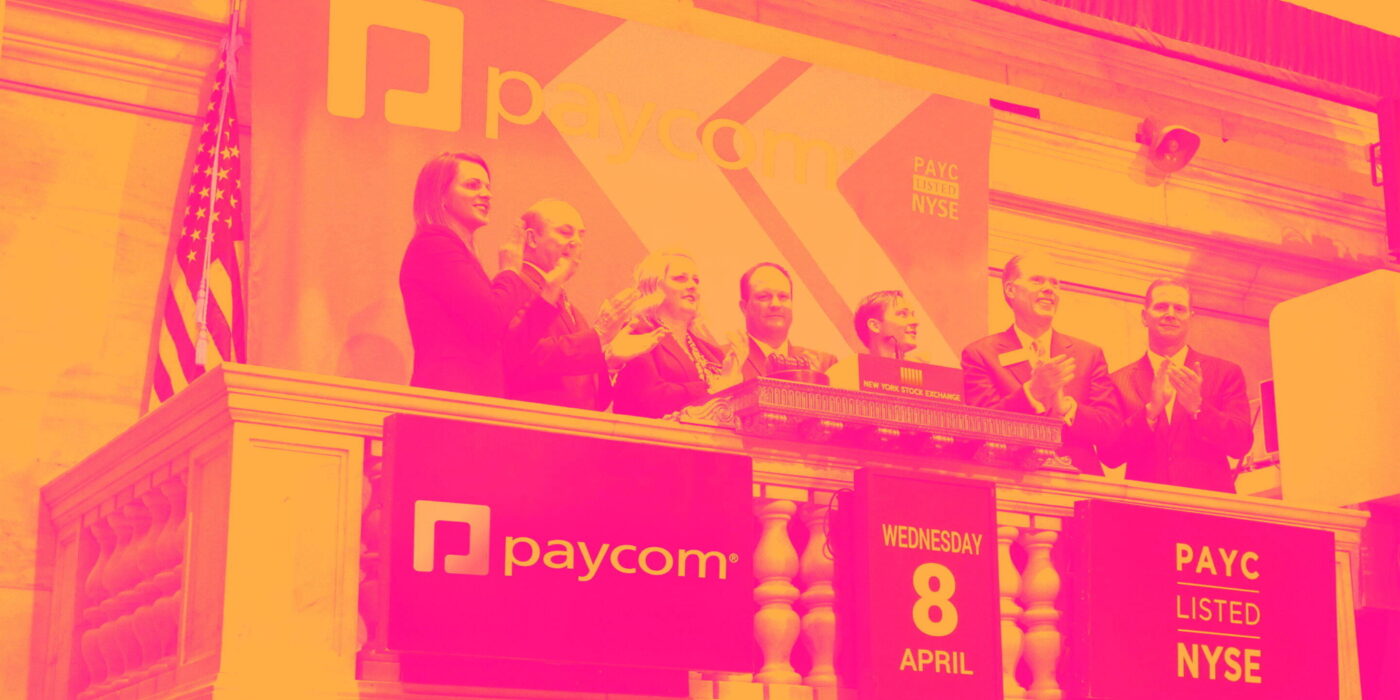
Paycom (PAYC)
Market Cap: $6.54 billion
Pioneering the concept of employees doing their own payroll with its "Beti" technology, Paycom (NYSE:PAYC) provides cloud-based human capital management software that helps businesses manage the entire employment lifecycle from recruitment to retirement.
Why Does PAYC Give Us Pause?
- Average billings growth of 8.5% over the last year was subpar, suggesting it struggled to push its software and might have to lower prices to stimulate demand
- Estimated sales growth of 6.6% for the next 12 months implies demand will slow from its two-year trend
- Day-to-day expenses have swelled relative to revenue over the last year as its operating margin fell by 6 percentage points
At $122.94 per share, Paycom trades at 3x forward price-to-sales. Check out our free in-depth research report to learn more about why PAYC doesn’t pass our bar.
Travel + Leisure (TNL)
Market Cap: $4.41 billion
Formerly known as Wyndham Destinations, Travel + Leisure (NYSE:TNL) is a global vacation company that provides travelers with vacation ownership, exchange, and travel services.
Why Do We Steer Clear of TNL?
- Performance surrounding its tours conducted has lagged its peers
- Diminishing returns on capital from an already low starting point show that neither management’s prior nor current bets are going as planned
- High net-debt-to-EBITDA ratio of 8× increases the risk of forced asset sales or dilutive financing if operational performance weakens
Travel + Leisure is trading at $70.66 per share, or 9.7x forward P/E. Read our free research report to see why you should think twice about including TNL in your portfolio.
Dolby Laboratories (DLB)
Market Cap: $5.61 billion
Known for its iconic "D" logo that appears before countless movies and TV shows, Dolby Laboratories (NYSE:DLB) designs and licenses audio and video technologies that enhance entertainment experiences in movies, TV shows, music, and other media.
Why Are We Out on DLB?
- Muted 1.2% annual revenue growth over the last five years shows its demand lagged behind its software peers
- Long payback periods on sales and marketing expenses limit customer growth and signal the company operates in a highly competitive environment
- Expenses have increased as a percentage of revenue over the last year as its operating margin fell by 2.2 percentage points
Dolby Laboratories’s stock price of $58.73 implies a valuation ratio of 4x forward price-to-sales. If you’re considering DLB for your portfolio, see our FREE research report to learn more.
Stocks We Like More
ALSO WORTH WATCHING: Top 5 Momentum Stocks. The best time to own a great stock is when the market is finally noticing it. These aren't just high-quality businesses. Something is happening with them right now. Elite fundamentals meeting near-term momentum — both boxes checked at the same time.
Find out which stocks our AI platform is flagging this week. See this week's Strong Momentum stocks — FREE. Get Our Strong Momentum Stocks for Free HERE.
Stocks that made our list in 2020 include now familiar names such as Nvidia (+1,326% between June 2020 and June 2025) as well as under-the-radar businesses like the once-micro-cap company Kadant (+351% five-year return). Find your next big winner with StockStory today.

/Super%20Micro%20Computer%20Inc%20HQ%20photo-by%20Tada%20Images%20via%20Shutterstock.jpg)

/Microsoft%20logo%20on%20building%20by%20franz12%20via%20iStock.jpg)
/Microsoft%20Corporation%20logo%20on%20sign-by%20Jean-Luc%20Ichard%20via%20iStock.jpg)
