



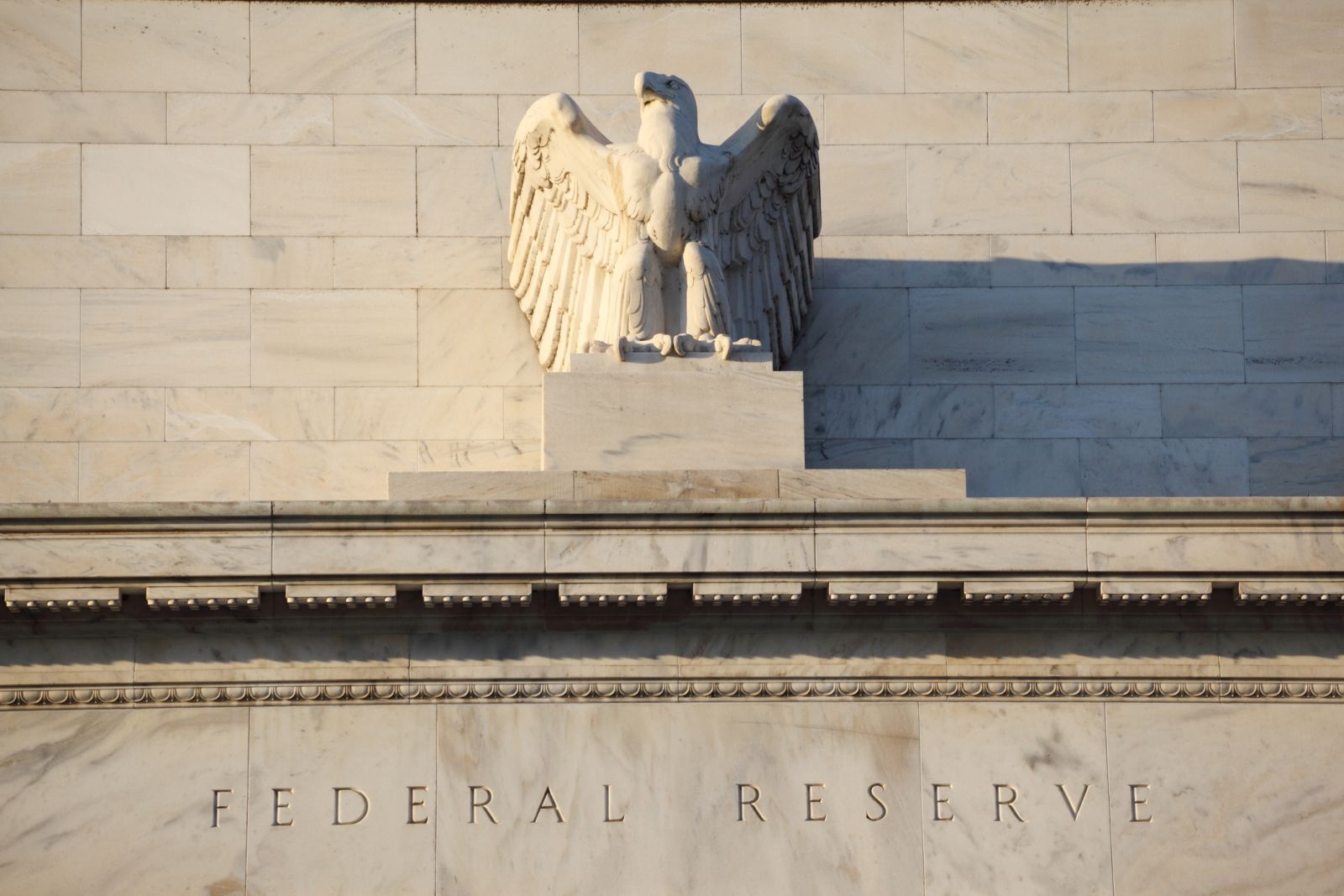
The Federal Reserve’s Open Market Committee (FOMC) is set to become incrementally more dovish next year, as the annual rotation of voters will bring four new policymakers on board. The four new voters are reported doves or centrists, which may push the Fed to pivot from its current aggressive rate hike campaign sooner than is currently expected.
St. Louis Fed President Bullard, Cleveland Fed President Mester, and Kansas City Fed President George, all of whom have advocated for sharply higher interest rates to combat soaring inflation, will lose their votes next year. Also, Boston Fed President Collins, considered neutral, will lose her vote on the FOMC in 2023.
The new FOMC voters for the eight policy meetings in 2023 will be new Chicago Fed President Goolsbee, who is believed to be dovish. Also, Philadelphia Fed President Harker and Dallas Fed President Logan, both seen as centrists, will be voters. In addition, Minneapolis Fed President Kashkari, who is currently a hawk but has been dovish in the past, will have a vote on the committee next year.
At the moment, nearly all of the FOMC voters agree that the Fed’s target interest rate will need to exceed 5% by the end of next year, and none expect to cut interest rates. Also, Fed Chair Powell has orchestrated an aggressive rate-hike campaign this year with little dissent, indicating that he has strong control over the committee’s direction. Piper Sandler said, “The committee is very unified. This tells us that the bar for stopping at a lower peak or for cutting interest rates in 2023 is high, regardless of who votes and who doesn’t.”
However, weaker economic conditions next year could lead to more dissents among FOMC voters. In 2022 there were just two dissents: Kansas City Fed President George dissented in June in favor of a smaller rate increase, and St. Louis Fed President Bullard in March called for a bigger rate hike.
Fed Chair Powell has had just 12 dissenting voters over his five-year tenure as Fed chair. However, Piper Sandler said, “we might see some dissents on the dovish side next year if or when the unemployment rate starts climbing above the natural rate,” estimated around 4% by the FOMC.
More Interest Rate News from Barchart
- Stocks Higher on Positive Corporate Earnings
- Stocks Settle Mixed as Energy Stocks Gain while Tech Stocks Slip
- BOJ Surprises Markets by Widening its 10-Year Yield Target Range
- Stocks Climb on Strength in Tech Stocks
On the date of publication, Rich Asplund did not have (either directly or indirectly) positions in any of the securities mentioned in this article. All information and data in this article is solely for informational purposes.

/An%20Intel%20sign%20out%20front%20of%20a%20corporate%20office%20by%20wolterke%20via%20Adobe%20Stock.jpeg)
/Alibaba%20by%20testing%20via%20Shutterstock.jpg)
/Alphabet%20(Google)%20Image%20by%20Markus%20Mainka%20via%20Shutterstock.jpg)