



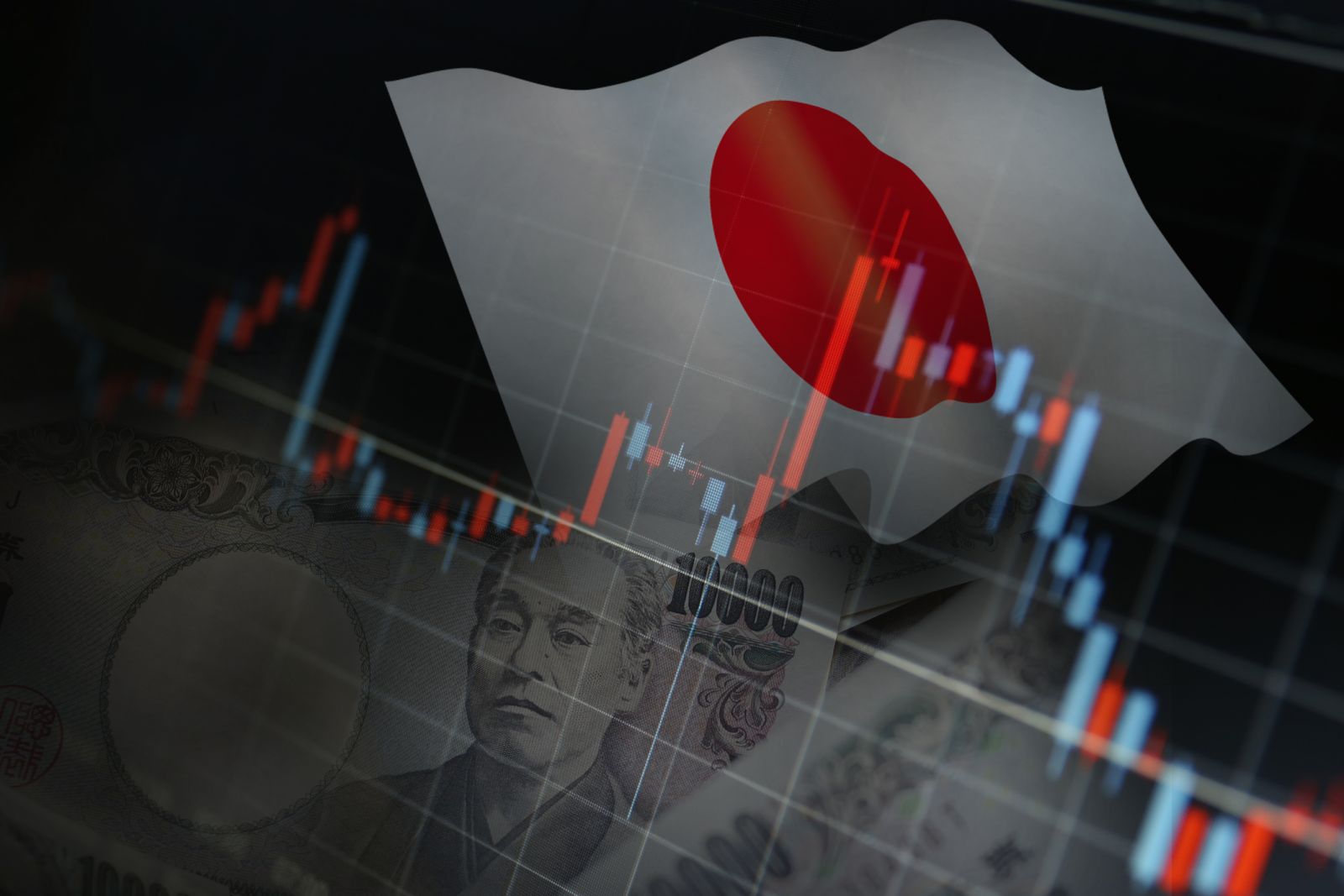
The Bank of Japan (BOJ) today surprised the markets by widening the upper limit of the target range on the 10-year JGB bond yield to 0.50% from the previous upper limit of 0.25%. This raises the possibility the BOJ will end its ultra-easy policy and raise interest rates next year under new leadership as BOJ Governor Kuroda is set to retire in April.
The Japanese yen jumped to a 4-month high against the dollar today (^USDJPY) after the BOJ widened its 10-year yield target range, and the 10-year JGB bond yield soared to a 7-year high of 0.444%. Today’s market moves suggest that investors interpreted the BOJ’s action as a tightening measure, although BOJ Governor Kuroda went out of his way to say this was not a tightening move but a focus on market functionality.
Comments today from BOJ Governor Kuroda in his post-meeting press conference suggested that the BOJ is determined to stick with its yield curve control policy (YCC) even after he retires in April. Shigeto Nagai, a former BOJ official and current head of Japan research at Oxford Economics, said today’s move by the BOJ is a step to make the YCC program more, not less, sustainable.
The BOJ is walking a tightrope as it attempts to maintain QE while keeping negative short-term interest rates and pinning the 10-year JGB bond yield near zero. Mizuho Bank said, “the impact could be massive through financial markets” when the BOJ finally decides to end its ultra-easy policies. If a sustained tightening sees Japanese investors dispose of overseas investments, that could fuel contagion around the world. According to Bloomberg data, Japanese investors have more than $3 trillion invested in overseas stocks and bonds, with over half of that in U.S. assets.
Asymmetric Advisers Pte said, “allowing Japanese rates to rise could see a tsunami of offshore Japan money flooding back home” as investors repatriate funds. To avoid turmoil in financial markets, Japanese Prime Minister Kishida is expected to appoint someone who already has the trust of financial markets when he selects a new BOJ Governor when current Governor Kuroda retires in April. The prime minister typically announces his pick for central bank chief in February, based on a short list put together by advisers.
More Stock Market News from Barchart
- One of Warren Buffett's Smaller Holdings Is Making Some Big Moves
- Stocks Climb on Strength in Tech Stocks
- Markets Today: Stocks Move Higher Despite Bank of Japan's Surprising Bond Yield Shift
- Tesla Ratio Spread Targets A Profit Zone Between 118 and 140
On the date of publication, Rich Asplund did not have (either directly or indirectly) positions in any of the securities mentioned in this article. All information and data in this article is solely for informational purposes.

/A%20photo%20of%20a%20Sandisk%20Solid%20State%20Drive%20by%20Top%20Popular%20Vector%20by%20Shutterstock.jpg)


/Caterpillar%20Inc_%20equipment-by%20pabradyphoto%20via%20iStock.jpg)