After incurring a rough first half of this year, the equites sector appeared to be forming the foundation of a possible comeback. At one point, the benchmark S&P 500 index was down about 10% from the start of the year, essentially paring half the losses it absorbed during the down days of June. However, sentiment appears to have soured once again, leaving many investors in limbo.
Last week, the S&P 500 dropped 2.7% of value while the technology-centric Nasdaq slipped 3.6%. The former is now down 18.2% on a year-to-date basis while the latter has dropped a staggering 26.5% during the same period. Typically, analysts consider a loss of 20% from a peak level as a bear market correction.
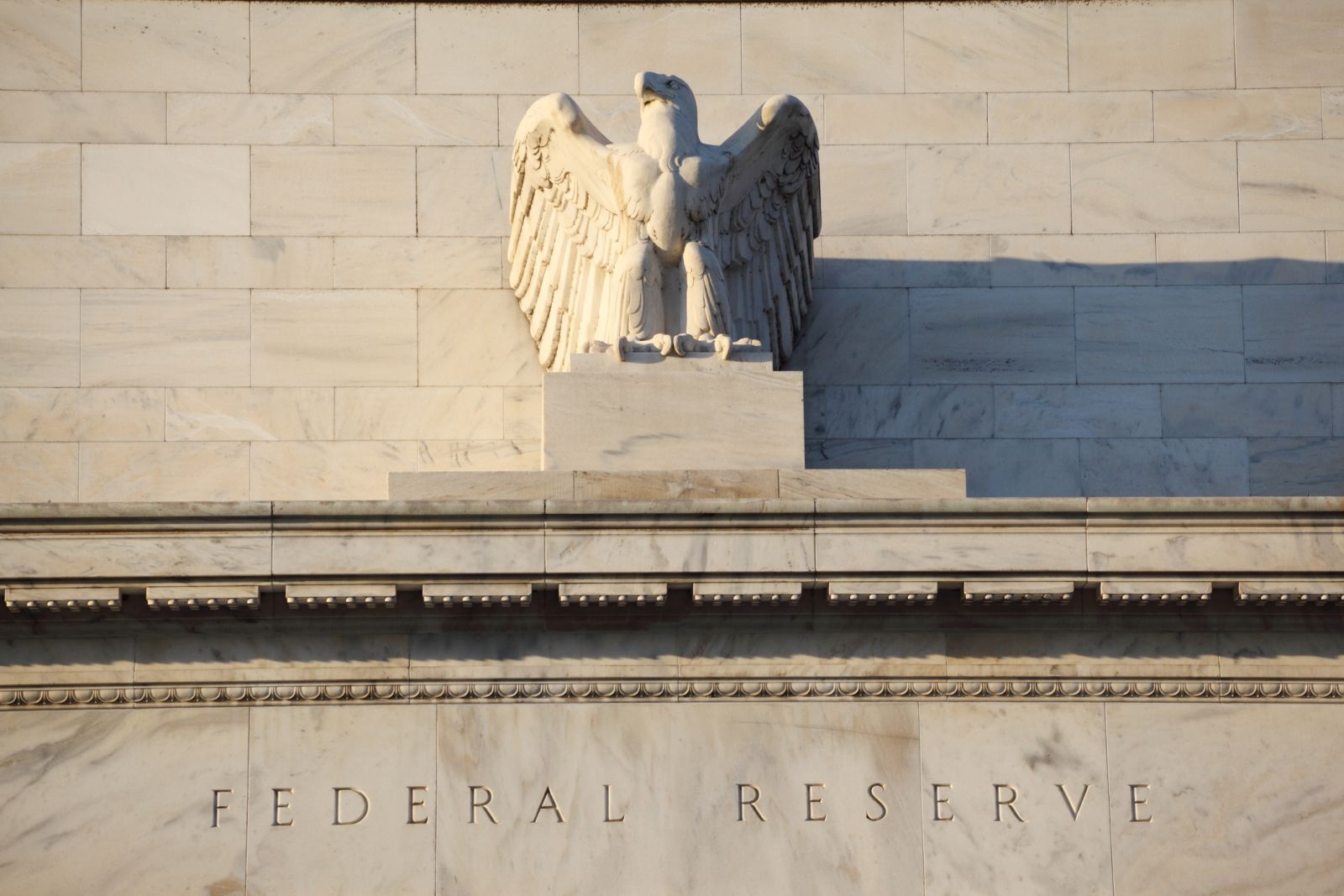
However, the losses weren’t entirely surprising. On Friday, Aug. 26, Federal Reserve chair Jerome Powell, in his speech for the annual economic symposium at Jackson Hole, Wyoming, admitted that there could be “some pain” associated with the central bank’s plan to tackle inflation.
“These are the unfortunate costs of reducing inflation,” Powell said. “But a failure to restore price stability would mean far greater pain.”
The market then had a full week to absorb the implications of Fed policy heading into Labor Day weekend. Below are key events that investors should consider in the week ahead.
August Jobs Report Brings Generally Good News
On Friday, Sept. 9, the major indices closed on a bitter note, with the S&P 500 closing down a little over 1%. Nevertheless, one significant event finally moved in favor of long-term investors: the August jobs report.
According to the Associated Press, the disclosure delivered what the Fed and investors had hoped for: a Goldilocks-style hiring report. “Job growth was solid — not too hot, not too cold. And more Americans began looking for work, which could ease worker shortages over time and defuse some of the inflationary pressures that the Fed has made its No. 1 mission.”
Interestingly, the unemployment rate increased to 3.7% from 3.5%, which would normally raise eyebrows, if not some alarm. However, prior joblessness rates may have looked artificially low due to people staying on the sidelines and not actively looking for employment.
“The labor participation rate went up, and I would love to see that number continue to climb even if that means a 3.7%, 3.8%, 3.9% unemployment rate,’’ said Labor Secretary Marty Walsh. “You have potentially 11 million open jobs. Having more people entering the workforce is good for the economy.”
Still, investors should take these month-to-month updates cautiously. Tech layoffs continue to contradict the bullish implications in the broader labor market, as evidenced by the Nasdaq performing very poorly relative to the S&P 500.
Not All Americans Benefit
According to the same AP report mentioned above, not every U.S. demographic enjoyed the positive implications behind the August jobs report.
“The number of Black people working or looking for work fell by 51,000. And their labor participation rate dipped from 62% in July to 61.8% last month, the lowest point since December. The number of Black Americans reporting that they had jobs fell by 131,000 last month. And the number saying they were unemployed rose by 79,000.”
Further, the AP stated that the “Black jobless rate rose from 6% in July to 6.4% in August, the highest level since February.”
Broadly speaking, the disparities between communities correlates with the widening gap between wealthy Americans and the middle class, irrespective of background. For instance, the Board of Governors of the Federal Reserve System reported that in the fourth quarter of 2019, the share of total net worth held by the 50th to 90th wealth percentiles was 28.8%. By Q1 2022, this metric declined to 28.1%.
In contrast, the share of total net worth held by the top 1% of society was 30.7% in Q4 2019. By Q1 2022, this figure increased to 31.9%. Therefore, while the nominal economic datapoints are encouraging, the concentration of wealth into fewer hands may present significant problems down the line.
Homebuyers May See Some Relief
According to a report released by tech-powered real estate brokerage firm Redfin (RDFN), the “average home sold for less than its list price for the first time in over 17 months during the four-week period ending August 28, as the housing market cooldown continued.”
“Every month since March of 2021 has seen an average sale-to-list ratio of over 100%, meaning that the average home has sold for more than its final asking price, after all price drops. This comes as the share of listings with a price drop has finally begun to plateau.”
On the flipside, Redfin cautions that despite “the easing in home prices, demand from homebuyers is still chilled—mortgage purchase applications and pending sales both saw large declines from a year ago—thanks in large part to another spike in mortgage rates, which rose to 5.66%, their highest level since June. Home sellers are also reluctant to step into the market: new listings and total inventory of homes for sale saw large declines as well.”
Still, after prospective homebuyers were shut out of the market last year, the gradually shifting paradigm may be welcome news. For some people, a lower housing price and higher interest rate may be a better deal than the opposite scenario. After all, refinancing may be an option should rates ever retreat.
Crypto Sees Temporary Relief
While Wall Street intently looked at the August jobs report for clues about the direction of future market sentiment, it wasn’t the only sector that the disclosure attracted. Once arguably the hottest arena of 2021, this year has seen the cryptocurrency market struggle for support. However, major digital assets did see a bump higher from the latest employment data.
Unfortunately, the blip appears to be short lived. On Sept. 2, the total market capitalization of all cryptos briefly reached the psychologically important $1 trillion level. However, as the morning hours gave way to the afternoon session, cryptos again dipped below the aforementioned valuation. At time of writing, the sector has a market cap of around $975 billion.
As experts in the field have pointed out, fear remains high in the space. Moreover, it may be important for investors to consider various viewpoints before diving into well-known bullish catalysts, such as blockchain projects adopting proof-of-stake consensus mechanisms.
Again, when everyone bets on the same horse, the eventual rewards – if there are any – could be extremely limited.
Earnings in Focus
Being that the coming week is holiday shortened due to Labor Day, not many companies will post their quarterly earnings disclosures. However, a few key players will reveal their results, possibly presenting clues regarding the broader economy.
On Wednesday, analysts may tune into Dave & Buster’s (PLAY) conference call. Wall Street anticipates that the company will deliver earnings of $1.07 a share. A victim of the initial onslaught of COVID-19, Dave & Buster’s demand profile may expand as more people return to the office.
On Thursday, firearms manufacturer Smith & Wesson Brands (SWBI) will post its results. Wall Street estimates that the company will deliver earnings of 21 cents a share. Though the underlying business is controversial, public concerns about broader instability could lift long-term growth rates.
Finally, on Friday, grocery giant Kroger (KR) will reveal its quarterly results. Analysts expect the company to bring to the table earnings of 79 cents a share. Here, market observers may tune in to see if management reveals insights regarding consumer sentiment.
More Stock Market News from Barchart

/Micron%20Technology%20Inc_%20logo%20on%20building-by%20vzphotos%20vis%20iStock.jpg)


/Lululemon%20Athletica%20inc_%20storefront%20by-%20Robert%20Way%20via%20iStock.jpg)