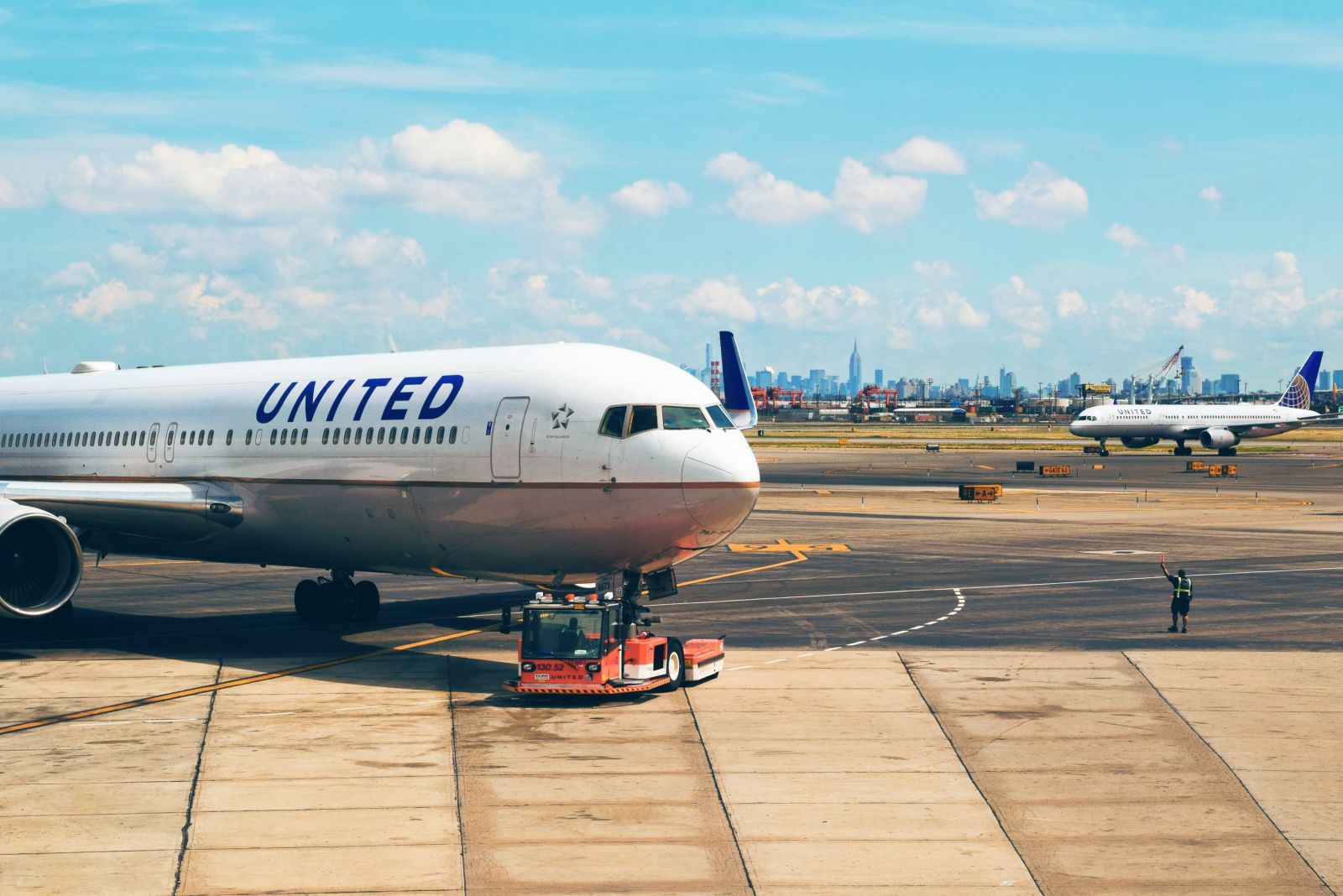
After more than two years of lockdowns and mitigation measures, American consumers are ready to put the past behind them and move on with their lives. That’s one of the central bullish arguments for United Airlines (UAL) and the rest of the air travel industry. While certain factors present a compelling framework for UAL stock – such as optimistically geared unusual options activity – the broader economy may ultimately be the arbiter of its future trajectory.
On the sentiment front, it’s quite understandable why investors have been bidding up publicly traded airliners. The concept of revenge travel – or pent-up demand for experiences that the COVID-19 pandemic denied since early 2020 – convinced many households to open their wallets, irrespective of the pain that inflation is inflicting. On Tuesday, July 19, UAL stock gained 5.4%.
It wasn’t the only name in the sector enjoying robustly optimistic trading. Rival American Airlines (AAL) increased by over 4% while Delta (DAL) was just a few ticks shy of hitting 5% up. In addition, over the trailing five-day period, UAL stock gained over 12%, sending a signal to investors that perhaps now is the time to take a shot at the air travel industry.
If that wasn’t enough, Barchart.com picked up on unusual options activity for UAL stock, giving more confidence to weary investors. Still, should prospective market participants take a chance here?
Calling Up UAL Stock in the Options Market
When the July 19 session wrapped up, call options for UAL stock – specifically the $55 calls featuring an expiration date of March 17, 2023 – represented one of the most unusual in terms of activity against prior norms. Volume hit 2,000 contracts against an open interest reading of 126.
Further, UAL stock closed at $41.47 in the open market, meaning that shares must rise significantly higher (roughly 33%) to be in the money. However, unlike some of the speculative bets in the derivatives market, these calls feature a days-to-expiration of 241 (at time of writing), implying longer-term optimism.
As well, the bid-ask spread as represented by the midpoint price ($3.50) was 5.7%, indicating strong confidence for a considerably speculative wager. Typically, market makers prefer to keep their spreads narrow to attract as many traders as possible to the transaction. However, they must also widen the spread to protect themselves financially, especially if the underlying security is volatile or difficult to reliably place.
Currently, it should be noted that bidding up UAL stock is a largely contrarian idea. Right now, among 14 covering analysts, six rate the security as either a “strong buy” or “moderate buy.” However, six say that it’s a “hold,” while two have a “sell” rating against the company.
Travel Sentiment is Mixed
While it’s not unreasonable for traders to believe that UAL stock can swing higher from here, much of that will depend on consumer sentiment. In turn, consumer sentiment depends on the economy at large. Should job growth continue from the COVID-19 malaise, it’s possible that UAL and its rivals can fly the friendly skies. If not, these ideas could be grounded.
Unfortunately, investors must navigate an ambiguous environment. On the positive end of the spectrum, UAL stock indirectly received a vote of confidence from Bank of America (BAC) CEO Brian Moynihan. During his company’s second-quarter earnings call, he remarked, “Our U.S. consumer clients remained resilient with continued strong deposit balances and spending levels.”
However, investors can’t fixate on what is but rather what will be. Under this context, they must consider broader trends. One factor that won’t endear many to UAL stock – and any consumer-dependent investment for that matter – is real earnings. Since Q2 2020, the inflation-adjusted compensation of fulltime workers has been on an aggressive descent. Further declines will likely then impinge upon travel demand, which is a discretionary expenditure.
Remote Work Consequences
Finally, another avenue to consider is the unintended consequence of remote work. Now that white-collar employees across America have had about two years or so of telecommuting experience, the idea of business travel might seem dated. For full disclosure, I don’t necessarily agree with this point, but the argument is out there.
Should work from home become ingrained permanently in the labor force, UAL stock will likely price in diminished demand for business travel. That would have major consequences for the entire air travel industry, meaning that investors need to be very careful before putting their money into this sector.
More Stock Market News from Barchart

/AI%20(artificial%20intelligence)/Ai%20chip%20by%20Quality%20Stock%20Arts%20via%20Shutterstock.jpg)
/A%20Palantir%20office%20building%20in%20Tokyo_%20Image%20by%20Hiroshi-Mori-Stock%20via%20Shutterstock_.jpg)