



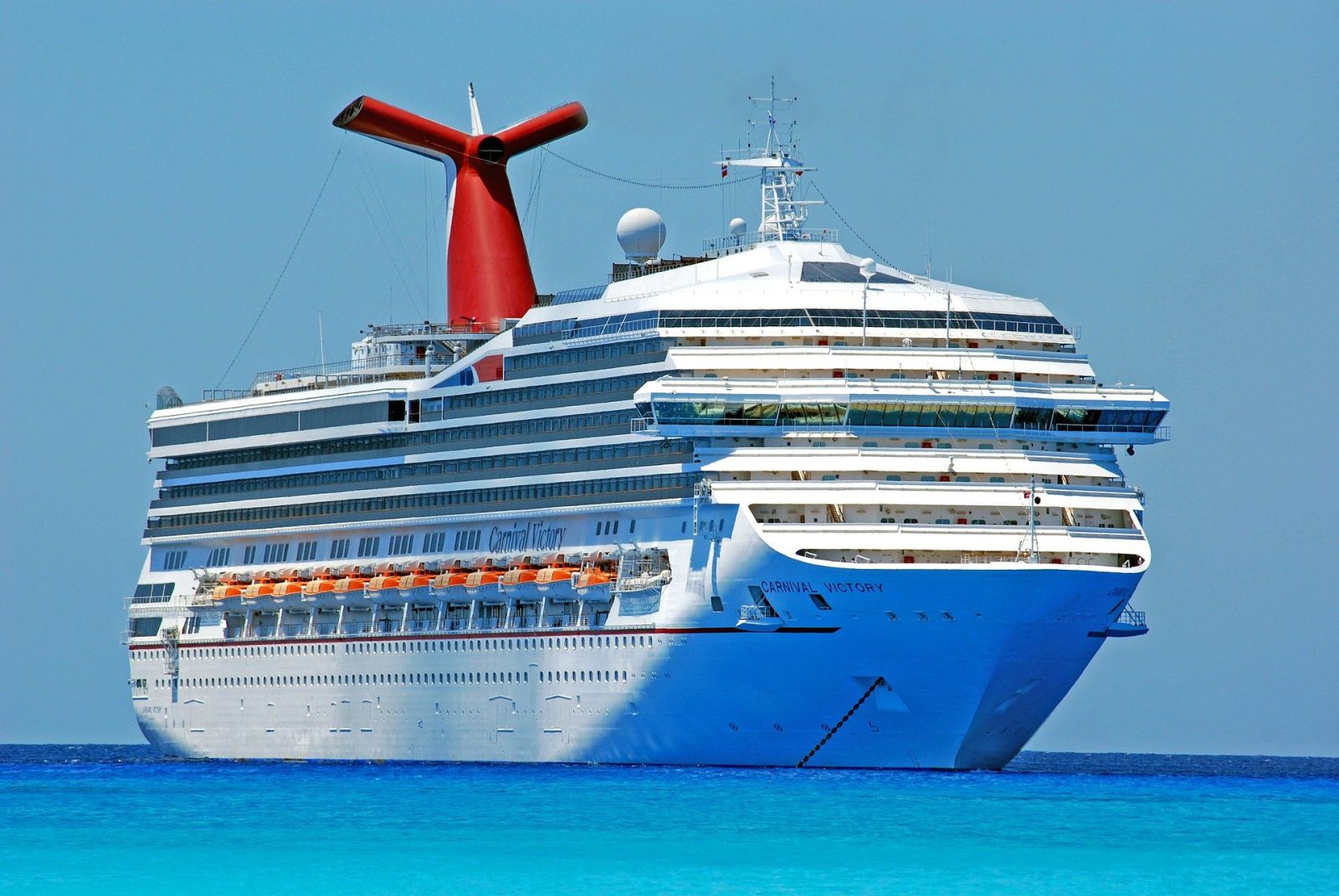
- Travel stocks jumped higher amid the major equity indices printing red ink.
- While enthusiasm for air travel and cruise ships is encouraging, questions about viability remain.
- Ultimately, it’s the labor market that may play the role of arbiter.
At a time when the broader equity indices needed a solid start to the week, Wall Street staggered disappointingly, with the benchmark S&P 500 closing down nearly 1%. When the closing bell rang out for the July 18 session, the index found itself below parity for the year by a margin of slightly over 20%, essentially bear market territory.
However, travel stocks provided an odd respite for investors. Amid the glaring red background, air travel companies – including Delta Air Lines (DAL) and United (UAL) – saw a noticeable lift in their market value. Most conspicuously, however, cruise ship operators like Carnival (CCL) and Royal Caribbean Cruises (RCL) enjoyed a remarkable buoyant performance, both averaging 5% up on Monday.
Unlike the airliners, cruise ship itineraries don’t have the benefit of doubling as avenues for business travel demand. If you’re on a Carnival or Royal Caribbean cruise, you’re doing so for one reason: enjoying yourself as you soak in the sights and sounds at sea and abroad. Therefore, amid a tough economic environment characterized by soaring inflation, it’s encouraging that travel stocks – especially for the cruise ships – have gained momentum.
Further, the sector enjoyed a much-needed boost from Bank of America (BAC) CEO Brian Moynihan, who stated during his company’s second-quarter earnings conference call that “Our U.S. consumer clients remained resilient with continued strong deposit balances and spending levels.” In response, several travel stocks shot higher.
Still, now that the good news is baked in, should investors buy into these travel stocks or is more information needed?
Travel Stocks and the Options Market
Not only did buy-and-hold investors feel the need to dive into the vacation and leisure industry, traders saw an opportunity to make some quick cash. In fact, Carnival was the recipient of bullish unusual options activity on Monday, representing significant action that went well beyond normal levels.
Specifically, traders piled into the $10 CCL call options with an expiration date of Aug. 26, 2022. With CCL stock closing at $9.65 in the open market, it will need to rise a little over 3.6% to be in the money. Interestingly, with 39 days till expiration, the thesis seems reasonable, especially given BofA’s apparent endorsement of travel stocks.
Drilling into the granularity, the bid-ask spread as represented by the midpoint price (91 cents) is 6.6%, which is a fairly narrow spread for an arguably risky trade. To quickly recap, narrow spreads indicate higher liquidity for the underlying transaction as more bulls and bears want to participate. Wider spreads, though, indicate the opposite dynamic.
As well, narrower spreads imply higher confidence among market makers to reliably place the trade. While wider spreads denote higher profit margins for market makers, they will only take this approach if the underlying security is too volatile; otherwise, wider spreads spell competitive concerns. Therefore, on paper, CCL stock seems a reasonable bet.
The Other Side of the Equation
Nevertheless, investors should be careful about getting too gung-ho about Carnival and related travel stocks. Recent data suggests that rising inflation is finally starting to weigh on consumer sentiment.
According to the U.S. Bureau of Labor Statistics, the index for airline fares fell 1.8% in June against the prior month’s result, representing a sharp reversal from the growth expansion witnessed throughout much of this year. Therefore, the picture regarding continued momentum for travel stocks is very questionable.
Indeed, the labor market is likely to play the role of the ultimate arbiter for the travel industry. At a basic level, people not only need wages but the confidence that those wages will continue paying out for them to take a risk with a pricey vacation. Unfortunately, with inflation taking a substantial bite out of the purchasing power of the dollar, it’s not clear how well the labor market will fare.
While equity bulls can talk all they want about nominally rising wages, at some point, companies must justify paying out the increased compensation. If businesses are suffering declines in revenue growth, the likelier outcome is not evermore higher salaries but rather job cuts.
Monitor Economic Conditions Carefully
Although BofA’s vote of confidence sparked momentum in travel stocks, investors should be reminded that they are to focus on what might be, not on what is. True, some of the data surrounding the leisure industry is encouraging. However, as long as inflation remains hot – or worse yet, gets hotter – the degradation of purchasing power will negatively impact consumer sentiment.
More Stock Market News from Barchart



/AI%20(artificial%20intelligence)/AI%20technology%20-%20by%20Wanan%20Yossingkum%20via%20iStock.jpg)
/Johnson%20%26%20Johnson%20location%20sign-by%20JHVEPhoto%20via%20iStock.jpg)
/A%20close-up%20of%20an%20AMD%20office%20by%20gehapromo%20via%20Adobe%20Stock.jpeg)