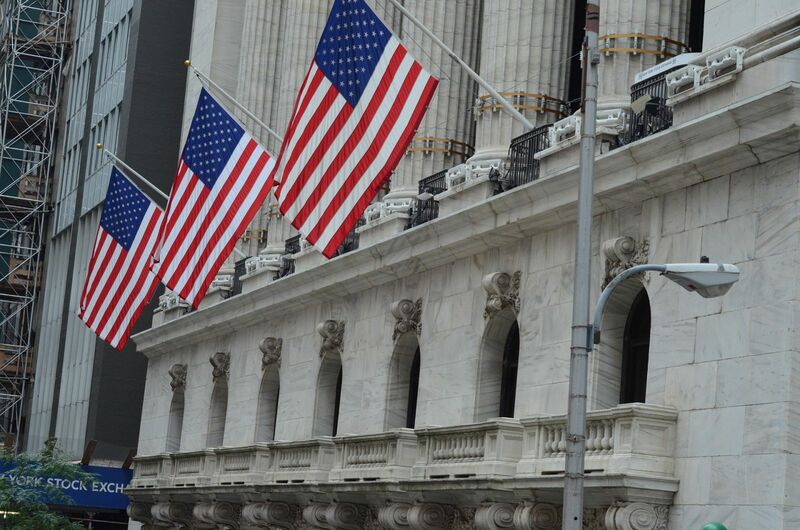
After what has been a series of volatile sessions in the U.S. equities sector, investors eyeballed a potential respite last week. Instead, they got more of the same, with the major indices painting the canvas with a generous helping of red ink. Fortunately, the Friday session (ironically the 13th of the month) saw a rebound rally. Therefore, the market as a whole found itself down only around 1% for the week.
Still, investors should be under no illusion regarding the danger the equities sector poses at this present juncture. Looking at circumstances from a broader view, the bulls have little to cheer about. For instance, over the trailing month since the close of the May 13 session, the S&P 500 is down 8.4%. On a year-to-date basis, the benchmark index has shed 16% -- danger close to the 20% down mark which traditionally signifies a bearish cycle.
Though it’s difficult to pick any one catalyst for the carnage, investors received discouraging news regarding the inflation rate. Coming in at 8.3% for April 2022, the figure was a modest improvement from the 8.5% seen in the prior month. However, the consensus target among analysts was 8.1%, suggesting that the experts had miscalculated the damage the COVID-19 pandemic -- and related events -- inflicted on the economy.
Because of the delicate circumstances society finds itself in, investors should watch the below five themes carefully this week.
Global Recession Fears Spiking
While domestic indicators naturally draw the most attention for American investors, it’s vital to understand that in a globalized economy, nothing occurs in a vacuum. That’s especially true when some of the biggest commercial powerhouses decide to take draconian measures to combat certain challenges.
Perhaps the most worrying example is China’s zero-COVID policy, which resulted in lockdowns of major metropolitan areas, including the critical port city of Shanghai. Now in its seventh week of lockdown, Chinese authorities have indicated that they will attempt to reopen the city in a few days. While that’s welcome news, the consequences could be enormous.
Simply put, it’s impossible for such an economically vital city to shut down without creating ripple effects throughout the globe. Even more alarming, the World Health Organization warned that Beijing’s insistence on its zero-COVID policy may be unsustainable.
If that weren’t enough, many Chinese publicly traded companies like Alibaba Group (BABA) have suffered steep losses since the beginning of this year, suggesting that international investors may have fewer places to seek growth in 2022 and possibly beyond.
Winter Has Arrived for Cryptocurrencies
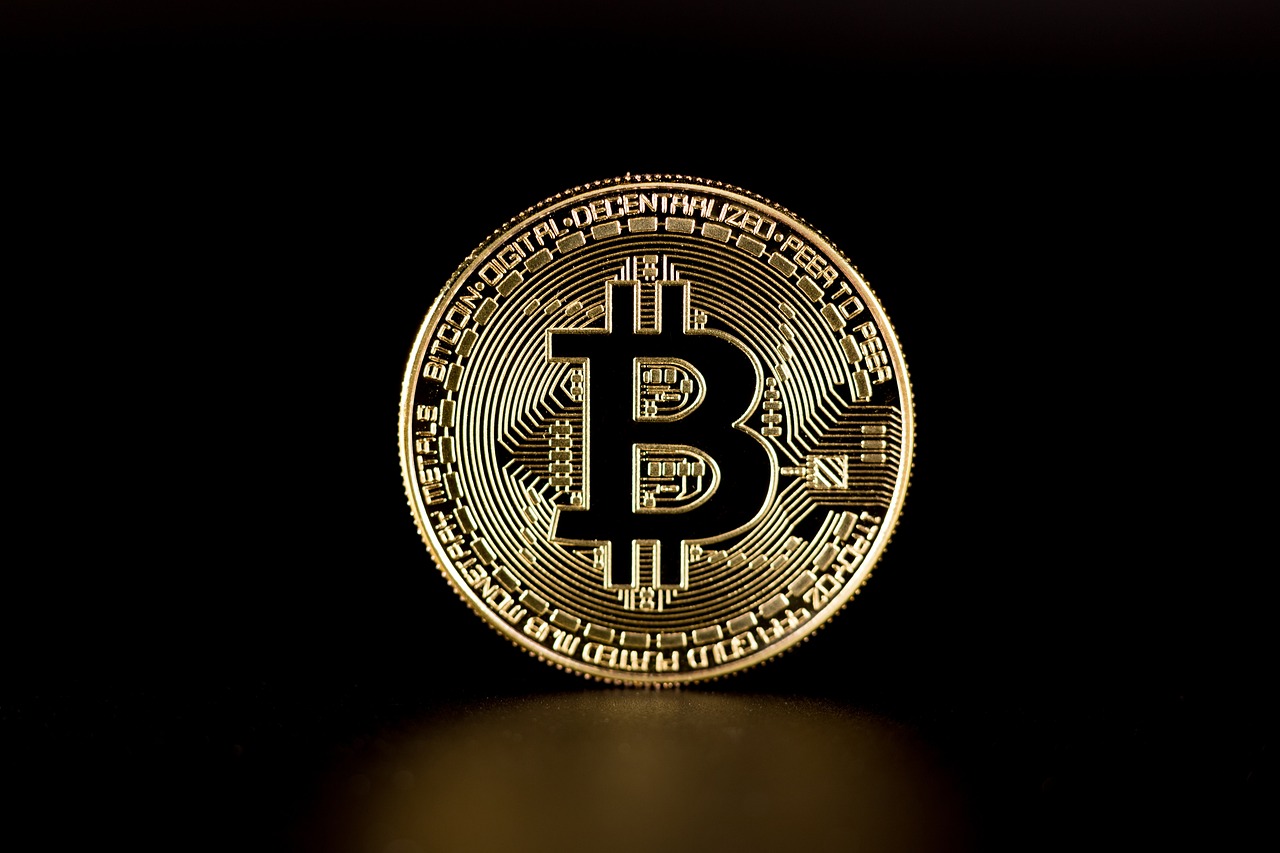
If investors of blockchain-based digital assets have learned anything recently, it’s that the cryptocurrency sector giveth and taketh away. In 2021, crypto was all the rage as the sector’s total market capitalization ran ferociously toward the $3 trillion mark. However, it didn’t quite get there, coincidentally triggering a massive selloff that unfortunately reared its ugly head last Thursday.
Though it’s not fair to point to any single culprit since cryptos have looked relatively weak throughout the month so far, the implosion of Terra Luna (LUNAUSD) certainly didn’t help matters. To make a long story short, LUNA tokens represent the reserve currency for TerraUSD, a stablecoin which was originally pegged to the U.S. dollar. Unfortunately, TerraUSD lost this peg, resulting in catastrophic losses for the stablecoin and the supporting token.
If that wasn’t bad enough, LUNA wasn’t the only crypto providing the “paper” reserves for TerraUSD, resulting in a downpouring for myriad digital assets. While some hardcore proponents are buying into the weakness, given the shellshock, conservative investors may want to steer clear for now.
Momentum Shifting in Ukraine
Last week, the great fear geopolitically was that Russian President Vladimir Putin would use the May 9 Victory Day celebration to announce an escalation in his “special military operation” in Ukraine, perhaps a declaration of war. Such a measure would surely expand the scope of risk that the conflict would spill over in other regions of Europe.
That didn’t happen, with Putin being uncharacteristically muted about the topic. What’s more, the Ukrainian resistance continues to confound the Kremlin, with Britain’s defense ministry recently stating that Ukrainian forces decimated an invading Russian battalion as it tried to cross a river in the northeastern side of the country. Such devastating consequences for Russia could have its leadership considering a face-saving exit plan.
As much as the Kremlin cherishes its strongman image, fiscal realities may force some sort of negotiation. Allegedly, Russia’s finance ministry is expecting the deepest economic contraction in nearly three decades, posing severe headwinds on the country’s ability to continue its military endeavors.
Oil Stocks to the “Rescue”
It’s an uncomfortable topic given that the oil and gas industry wasn’t very popular in the best of times. But now that gasoline prices have reached ridiculous levels -- and after escalating utility bills gut-punched millions of households -- the sector has garnered the scorn of the general public. Still, if investors are looking for viable ideas during these troubles, oil stocks are it.
From big oil companies like Exxon Mobil (XOM), which is up 40% YTD, to independent firms like Marathon Oil (MRO), which gained a whopping 60% YTD, fossil fuels continue to flaunt their relevance. Although many analysts love to state that electric vehicles are the future, the overriding reality is that hydrocarbons are the present.
Like it or not, people are thinking about the current pain, not the prosperity that may arrive in the future.
To be clear, oil stocks offer a cynical pathway to success, which may not be everyone’s cup of tea. However, with so many other segments struggling for traction, cynicism may win out this year.
Earnings to Watch This Week
Finally, the upcoming five trading sessions will feature plenty of intriguing earnings reports. On Tuesday, all eyes will likely be on Walmart (WMT) as its core business essentially represents a real-time indicator of the health of the consumer economy. As a big-box retailer specializing in everyday low pricing, analysts will be anxious to hear management’s outlook for the next reporting quarter.
Along the same lines is Home Depot (HD) h, which also releases its financial disclosure on the same day. Thanks to the housing boom, HD stock has been a huge winner from the paradigm shift that the COVID-19 pandemic imparted. However, Wall Street will seek information as to whether or not such demand is sustainable.
Toward the end of the week on Thursday, cybersecurity firm Palo Alto Networks (PANW) will disclose its quarterly results. Here, the emphasis may shift toward the Ukraine crisis as cyberattacks have long been a point of concern for the U.S. government. As well, data breaches have spiked in recent years, posing risks for the business community.

/Super%20Micro%20Computer%20Inc%20HQ%20photo-by%20Tada%20Images%20via%20Shutterstock.jpg)
/Micron%20Technology%20Inc_billboard-by%20Poetra_RH%20via%20Shutterstock.jpg)
/Broadcom%20Inc%20logo%20on%20building-by%20Poetra_%20RH%20via%20Shutterstock.jpg)