



This is sponsored content. Barchart is not endorsing the websites or products set forth below.
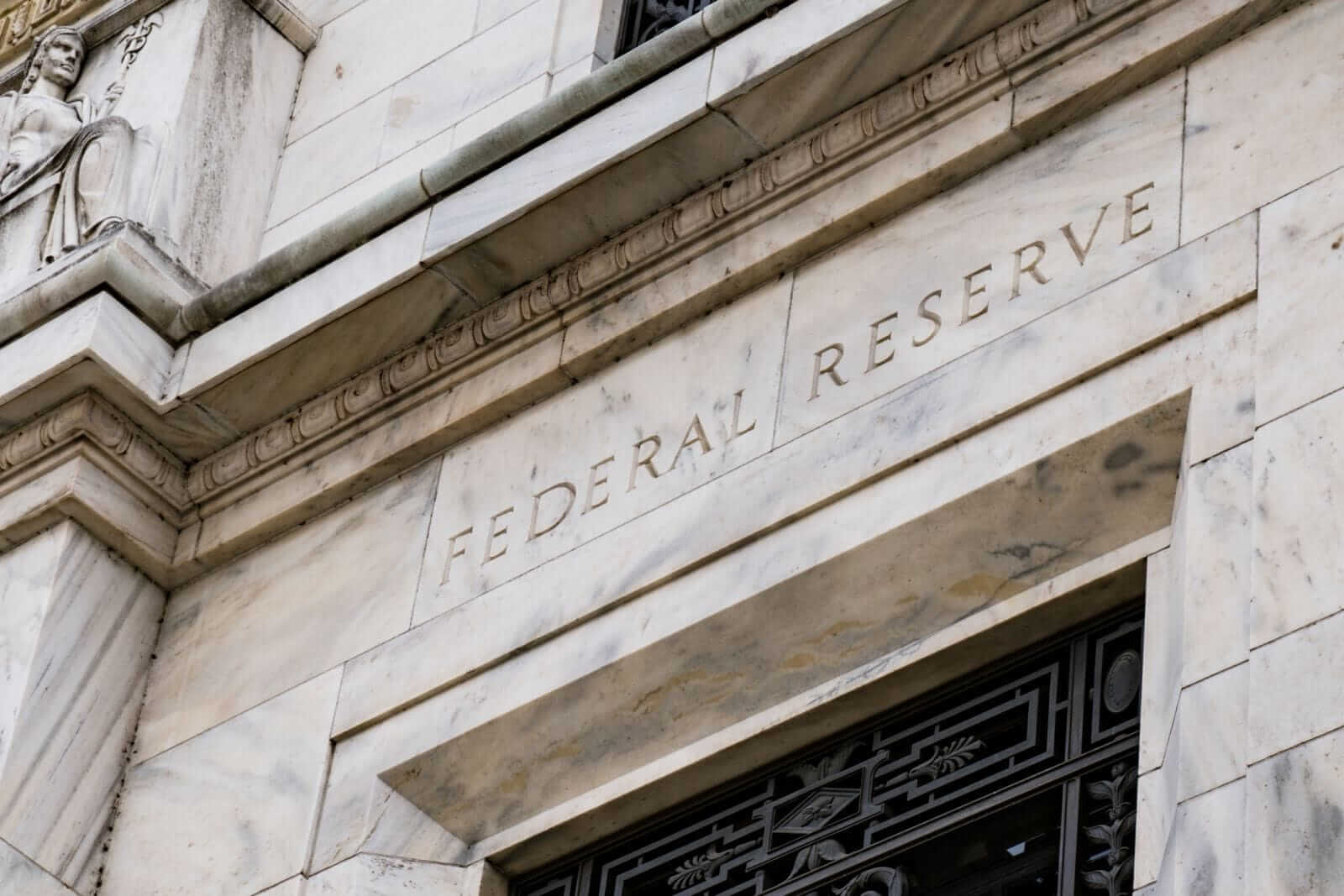
Kevin Warsh was sworn in as Chair of the Federal Reserve on May 22, 2026, stepping into one of the more contested monetary policy environments in recent years. The first FOMC meeting under his leadership will be on June 16th and 17th.
The market does not expect an interest rate change in June, but there is a serious debate over where interest rates should go in the second half of this year and beyond.
Although Warsh is known as a critic of “forward guidance,” the results of this first meeting will set the tone for the rest of the year. In the meantime, both sides of the aisle are split over where rates should go, stoking further volatility in the bond and Treasury markets.
Cleveland Fed President Beth Hammack, a voting member of the FOMC, has signaled concern about inflation. "The picture for inflation is not encouraging. Inflation is too high and is moving higher," she said in a June 2 speech, adding that "if recent trends continue, it may soon be appropriate to act." She dissented at the April meeting against language suggesting the Fed's next move would be a cut.
From the White House, senior adviser Peter Navarro took the opposite position. "The message I want to send squarely to the Federal Reserve is don't even think about raising interest rates now," Navarro said at an economic summit on June 3.
Warsh himself has argued that AI-driven productivity gains could allow the economy to grow without stoking inflation, providing a rationale for lower borrowing costs. But he has also pledged to base decisions on the state of the economy and insisted he made no prior commitments on rate policy.
Against that backdrop, the long end of the Treasury market is one of the most actively traded areas in fixed income. The Direxion Daily 20+ Year Treasury Bull 3X ETF (TMF) and the Direxion Daily 20+ Year Treasury Bear 3X ETF (TMV) give active traders 300% daily leveraged exposure to the ICE U.S. Treasury 20+ Year Bond Index in either direction.
The ICE U.S. Treasury 20+ Year Bond Index: What It Is and What Drives It
The ICE U.S. Treasury 20+ Year Bond Index (IDCOT20), a market-value-weighted index of fixed-rate U.S. Treasury securities with maturities greater than 20 years, all of which carry a Moody's Aa1 credit rating.
This index can move sharply either up or down due to a variety of catalysts, including market moves, war, and the release of new economic data.
What Could Push the Index Lower (Bond Prices Fall / Yields Rise)
- The Fed Hike Threat: With the FOMC highly divided (evident in the recent 8-4 vote) and futures markets pricing in a higher probability of a rate hike than a cut, long-term bonds are under heavy pressure.
- Sticky Inflation & the AI Build-Out: Inflation is stuck at 3.8%. While AI may offer long-term productivity gains, the massive capital expenditure underway right now on data centers, energy, and chips is keeping near-term inflationary pressures high.
- The Loss of Forward Guidance: Fed Chair Kevin Warsh wants to eliminate the quarterly "dot plot." Removing this explicit roadmap creates uncertainty, causing investors to demand higher yields to hold long-term debt.
- Massive Treasury Supply: The U.S. government is running huge deficits and flooding the market with new 20-year and 30-year bond auctions. This relentless supply requires higher yields to attract enough buyers.
What Could Push the Index Higher (Bond Prices Rise / Yields Fall)
- Geopolitical Safe-Haven Runs: Any sudden escalation in global conflict or international market instability triggers a "flight to safety," driving global capital into long-term U.S. Treasuries.
- Economic Growth Shock: If high interest rates finally trigger a sharp slowdown in consumer spending or a spike in unemployment, investors will rush into long bonds to lock in yields before the economy cools.
Trade Fed Interest Rate Decisions With Leveraged ETFs
The Direxion Daily 20+ Year Treasury Bull 3X ETF (TMF) and the Direxion Daily 20+ Year Treasury Bear 3X ETF (TMV) each seek 300% or -300% of the daily performance of the ICE U.S. Treasury 20+ Year Bond Index, before fees and expenses.
TMF (Bull 3X):
- When the index rises 1%, TMF targets a 3% gain (before fees)
- When the index falls 1%, TMF targets a 3% decline (before fees)
- Aims to suit traders positioning for falling yields, a Fed pivot, or a softening in inflation data
TMV (Bear 3X):
- When the index falls 1%, TMV targets a 3% gain (before fees)
- When the index rises 1%, TMV targets a 3% decline (before fees)
- Aims to suit traders positioning for persistent inflation and elevated or rising rates
Both funds reset leverage exposure daily. The 3X target applies only to single-day index movements. Holding either fund for multiple days introduces compounding effects that cause performance to diverge from a simple 3X multiple of the index return, particularly in volatile markets. Both are designed for short-term tactical trading by investors who actively monitor their positions.
Warsh's First Meeting Will Set a New Precedent, and You Can Trade Either Outcome.
The June 16–17 FOMC meeting arrives with markets expecting a rate hold but deeply divided over what comes next. Competing signals on inflation, growth, and the new Chair's policy instincts leave the path forward uncertain. With long bonds sensitive to even subtle shifts in rate expectations, the outcome of this first meeting under Warsh's leadership is likely to drive significant volatility for fixed income and interest rates.
For traders with a directional view on where rates are headed, the Direxion Daily 20+ Year Treasury Bull 3X ETF (TMF) and the Direxion Daily 20+ Year Treasury Bear 3X ETF (TMV) offer amplified, single-ticker exposure to that outcome.
Leveraged and inverse ETFs pursue daily leveraged investment objectives, which means they are riskier than alternatives that do not use leverage. They seek daily goals and should not be expected to track the underlying index over periods longer than one day. They are not suitable for all investors and should be utilized only by sophisticated investors who understand leverage risk and who actively manage their investments.
An investor should carefully consider a Fund’s investment objective, risks, charges, and expenses before investing. A Fund’s prospectus and summary prospectus contain this and other information about the Direxion Shares. To obtain a Fund’s prospectus and summary prospectus call 866-476-7523 or visit our website at direxion.com. A Fund’s prospectus and summary prospectus should be read carefully before investing.
The ICE U.S. Treasury 20+ Year Bond Index (IDCOT20) is a market value weighted index that includes publicly issued U.S. Treasury securities that have a remaining maturity of greater than 20 years. Eligible securities must be fixed rate, denominated in U.S. dollars, and have $300 million or more of outstanding face value, excluding amounts held by the Federal Reserve. Securities excluded from the Index are inflation-linked securities, Treasury bills, cash management bills, any government agency debt issued with or without a government guarantee and zero-coupon issues that have been stripped from coupon-paying bonds. One cannot invest directly in an index.
Direxion Shares Risks – An investment in a Fund involves risk, including the possible loss of principal. A Fund is non-diversified and includes risks associated with the Fund’s concentrating its investments in a particular industry, sector, or geography which can increase volatility. The use of derivatives such as futures contracts and swaps are subject to market risks that may cause prices to fluctuate over time.
U.S. Government Securities Risk – A security backed by the U.S. Treasury or the full faith and credit of the United States is guaranteed only as to the timely payment of interest and principal when held to maturity. The market prices for such securities are not guaranteed and will fluctuate.
Distributor: ALPS Distributors, Inc.
The above is sponsored content. Barchart was paid up to two hundred eighty eight thousand dollars for placement and promotion of the content on this site and other forms of public distribution covering the period of January - June 2026. For more information please view the Barchart Disclosure Policy here.



/Micron%20Technology%20Inc_%20logo%20on%20building-by%20vzphotos%20vis%20iStock.jpg)

/Bundle%20of%20optical%20fiber%20cables%20with%20lights%20by%20volff%20via%20Adobe%20Stock.jpeg)