



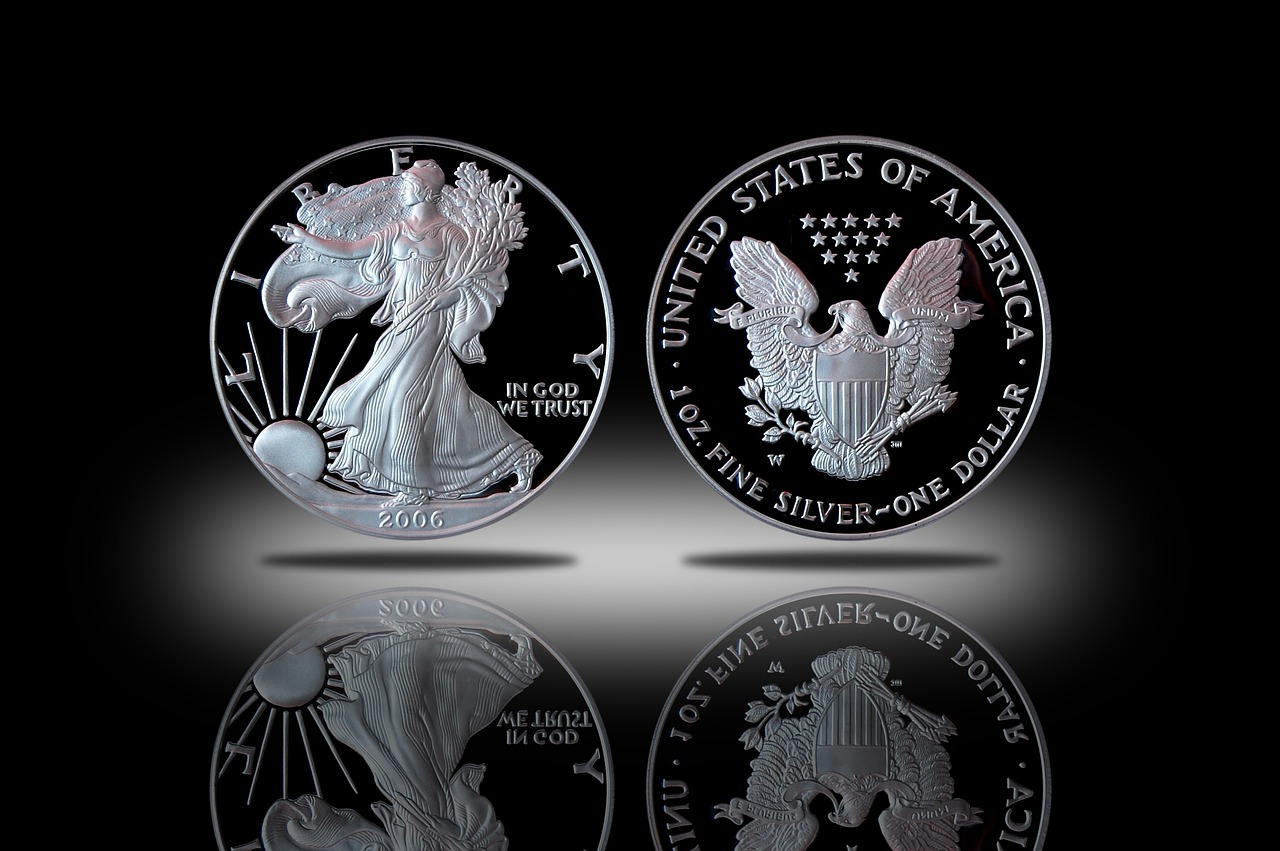
Precious metals are not all built the same.
Consider gold. It provides investors with a pair of extremely valuable benefits: low correlation to stocks, and reliable defense during market downturns. That said, it's largely a decorative metal with few practical uses outside of jewelry and investment.
Silver, which is priced much more cheaply than gold, is quite different. "More than half of all silver's demand comes from heavy industry and high technology, including smartphones, tablets, automobile electrical systems, solar-panel cells and many other products and applications," Morgan Stanley writes in a primer. So while silver also isn't terribly correlated with stocks, it can be far more sensitive to economic changes than gold.
It's also far more volatile—"the volatility in silver prices can be two to three times greater than that of gold on a given day," Morgan Stanley says—which can provide more opportunity to swing and day traders.
Sure, that means silver might not enjoy the same defensive properties as gold, but on the other hand, you can trade ol' Element 47 to express optimism about the economy.
Let's look at some of the best ETFs for investing in the argent metal.
Disclaimer: This article does not constitute individualized investment advice. These securities appear for your consideration and not as personalized investment recommendations. Act at your own discretion.
Why Should I Buy Silver ETFs Instead of Gold?
Like with virtually any commodity, the best argument for holding via funds instead of the physical item is ease.
If you want to buy physical silver, you have to have that silver transported to you, safely store it, insure it … and should you want to sell it, you'll have to find a buyer and arrange for transportation to the seller.
If that sounds like a hassle, that's because it is!
Conversely, you could just open up your investment account and buy a few shares of a silver ETF, which depending on the one you pick would give you either direct or indirect exposure to the metal—with the same simplicity and speed as buying some stock.
I know what I would pick.
So, which funds make the cut? I have a fuller list of the best silver ETFs, but you can keep on reading to check out three picks worth poring over.
Related: 7 Best Gold ETFs You Can Buy
Abrdn Physical Silver Shares ETF
- Style: Physical silver
- Assets under management: $5.3 billion
- Expense ratio: 0.30%, or $3.00 per year on every $1,000 invested
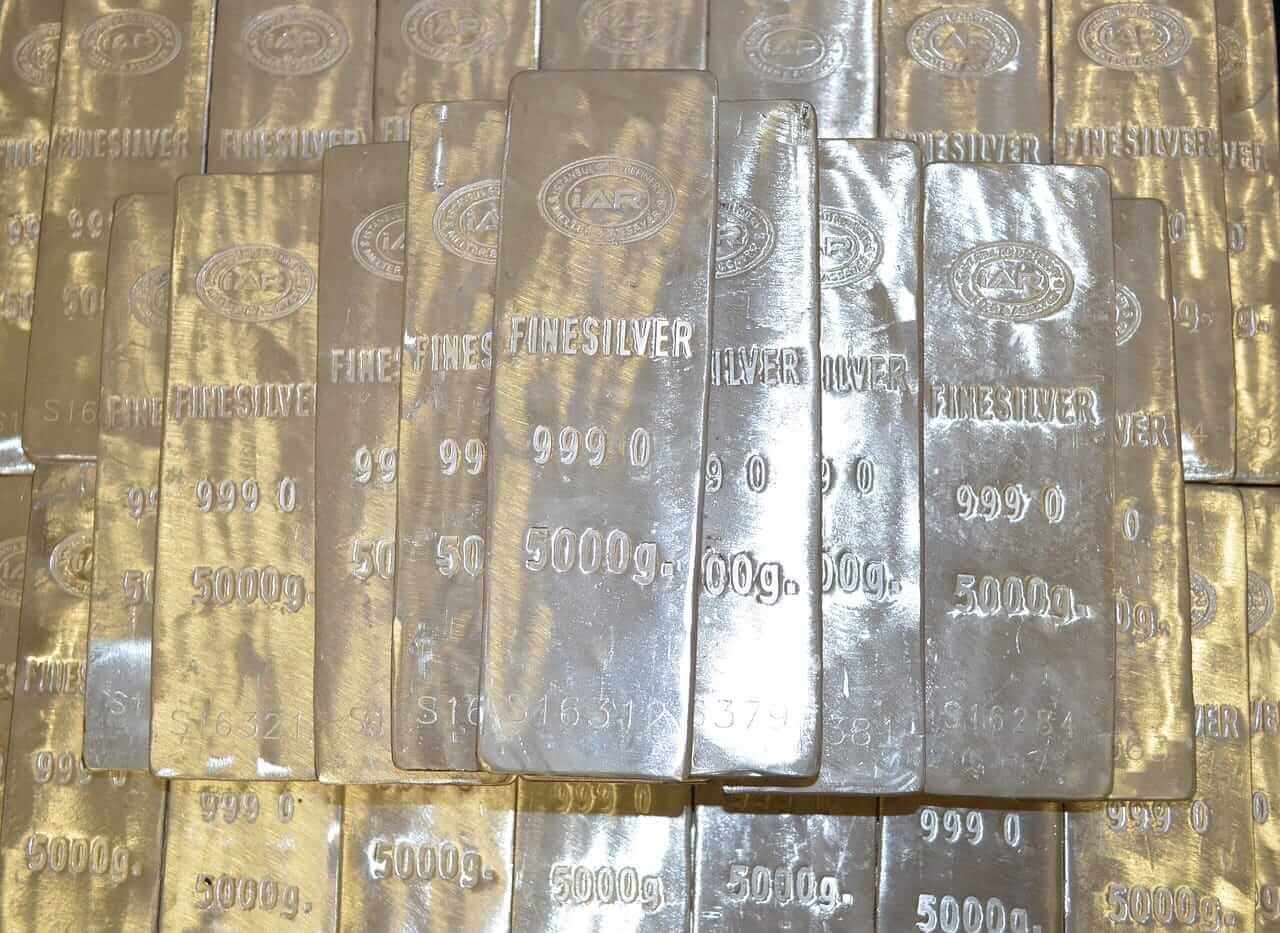
The Abrdn Physical Silver Shares ETF (SIVR) is the cheapest way to own physical silver in a brokerage or retirement account.
Physical metals funds are extremely straightforward: You buy shares. Shares represent metal stored somewhere. Metal price goes up, shares go up. Metal price goes down, shares go down. Simple, right?
Let's take this silver ETF, for instance. SIVR shares are backed by physical silver—literal silver bullion bars that are held in a secured vault in London. Indeed, SIVR parent Aberdeen Investments boasts that "Bureau Veritas Commodities UK Ltd, a leading physical commodity auditor, inspects the vault twice per year (including once at random)."
Related: 10 Best Fidelity ETFs You Can Buy [Invest Tactically]
You get this exposure for 30 basis points (a basis point is one one-hundredth of a percentage point), which is cheaper than the only other physical silver ETF: the iShares Silver Trust (SLV).
Getting there first is a big deal in the fund world, as is having a more recognizable brand name. SLV boasts both: ETF behemoth iShares launched the fund in 2006, three years earlier than SIVR. Those are both significant reasons why SLV boasts $32 billion more in assets than Aberdeen's silver ETF. The iShares fund's far higher volume is also a big draw for traders.
But for buy-and-hold investors, you literally can't do better than SIVR, which charges 20 basis points less in annual fees than SLV. And that makes it one of the best silver ETFs you can buy.
Make sure you sign up for The Weekend Tea, Young and the Invested's free weekly newsletter that over 10k monthly readers use to level up their money know-how.
Global X Silver Miners ETF
- Style: Silver miners
- Assets under management: $5.4 billion
- Expense ratio: 0.65%, or $6.50 per year on every $1,000 invested
Another way to invest in silver is by purchasing the shares of silver mining companies. While it's less direct than buying physical silver, owning miners can act like an amplified bet on the metal.
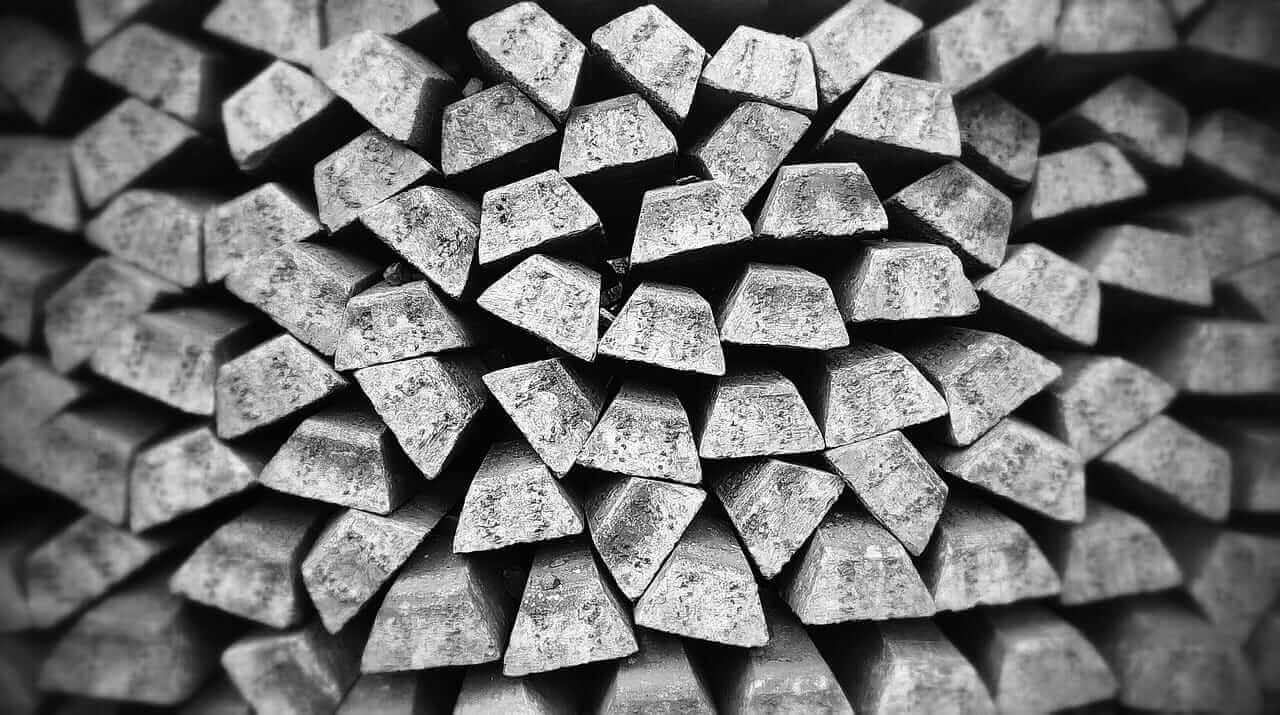
The business model here is simple. Traditional silver mining companies will extract silver ore from the earth, then convert it into doré bars, which are then sent off for further refining. The goal? Sell that silver for a higher price than what it cost to extract it.
Let's say a silver miner spends $50 to produce an ounce of silver, then sells it for $60 per ounce. That's ideal. But if they're forced to sell that silver for $40 ounce … well, they've got problems. But it's pretty easy to see how changes in the price of silver would directly impact miners' bottom lines, and as a result, their stock prices.
Also, understand that silver miners may trade in a more volatile fashion than silver itself. When silver rises, miners may rise by a greater degree; when it declines, miners may drop even faster. That makes sense, as publicly traded silver miners are companies, and companies have elements of risk and reward that silver itself doesn't possess on its own.
Related: 10 Monthly Dividend Stocks for Frequent, Regular Income
You can make this "leveraged" bet on silver while reducing your risk somewhat by owning silver miners in bulk via funds like the Global X Silver Miners ETF (SIL).
SIL owns 40 silver mining companies—some of which operate exactly how I outlined above, but some of which have somewhat different business models. For instance, Pan American Silver (PAAS, 13% of assets) is a traditional miner that extracts silver throughout the Americans, though it also has gold mining operations, as well as a few royalty interests in metals projects. SIL's largest holding, Wheaton Precious Metals (WPM, 22%), is actually a metals "streamer" that buys other companies' precious metals production—many of its contracts are to purchase "byproduct" silver and gold extracted from copper and lead-zinc mines.
As you can tell from the "weights" of WPM and PAAS, this is a lopsided fund with huge concentrations in some companies and small weights in others. But we're still getting more diversification across the silver mining space than if we bought a few companies individually.
Also, unlike owning a lump of silver, silver miner funds like SIL may pay a dividend. Global X Silver Miners ETF currently pays us a decent 1.1% that's on par with the broader market.
Related: 5 Best Energy ETFs for the Rise of Oil, Natural Gas + More
ProShares Ultra Silver
- Style: Leveraged silver
- Assets under management: $1.9 billion
- Expense ratio: 0.95%, or $9.50 per year on every $1,000 invested
I'll say it up front: The final silver ETF on this list—ProShares Ultra Silver (AGQ)—is a trading tool.
This is not for buy-and-holders. If you're inexperienced, if you have little investing education, if you have little stomach for risk, and/or if you only check your account every couple of months, AGQ is absolutely, 100% not for you. For you, my story is over, and I kindly ask you to browse to another of my stories instead.
For those who remain, here's what you need to know.
Related: 14 Best Investing Research & Stock Analysis Websites
ProShares Ultra Silver ETF is designed to provide 2x the daily performance (before fees and expenses) of its benchmark, the Bloomberg Silver Subindex. This means if the index climbs by 1% on Monday, this ETF will gain 2% on Monday (minus expenses, of course). But because this only occurs on a daily basis, that doesn't mean if the index increases by 10% in a year, that this ETF will gain 20% over the same time period. That's largely because of how returns compound over time. However, some of the disconnect is also because of fees, which the underlying index doesn't have to account for.
Also important to note: AGQ doesn't hold physical silver. In fact, it's not even directly tied to it. Rather than giving you 2x exposure to spot silver prices, AGQ's tracking index is tethered to silver futures, which can behave a little differently.
But as I said above, silver can be a much more jumpy metal than gold, which spells opportunity to certain traders. AGQ, while riskier than any of the aforementioned funds, is nonetheless one of the best silver ETFs to take advantage of that volatility.
Related: The Best Retirement Plans for 2026 [Workplace + Individual]
Learn More About These and Other Funds With Morningstar Investor
If you're buying a fund you plan on holding for years (if not forever), you want to know you're making the right selection. And Morningstar Investor can help you do that.
Morningstar Investor provides a wealth of information and comparable data points about mutual funds and ETFs—fees, risk, portfolio composition, performance, distributions, and more. Morningstar experts also provide detailed explanations and analysis of many of the funds the site covers.
With Morningstar Investor, you'll enjoy a wealth of features, including Morningstar Portfolio X-Ray®, stock and fund watchlists, news and commentary, screeners, and more. And you can try it before you buy it. Right now, Morningstar Investor is offering a free seven-day trial and a discount on your first year's subscription when you use our exclusive link.


/A%20close-up%20of%20a%20SpaceX%20sign%20by%20Sundry%20Photography%20via%20Adobe%20Stock.jpeg)
/Green%20hydrogen%20by%20Scharfsinn%20via%20Shutterstock.jpg)
/Abbvie%20Inc%20HQ%20photo-by%20vzphotos%20via%20iStock.jpg)
