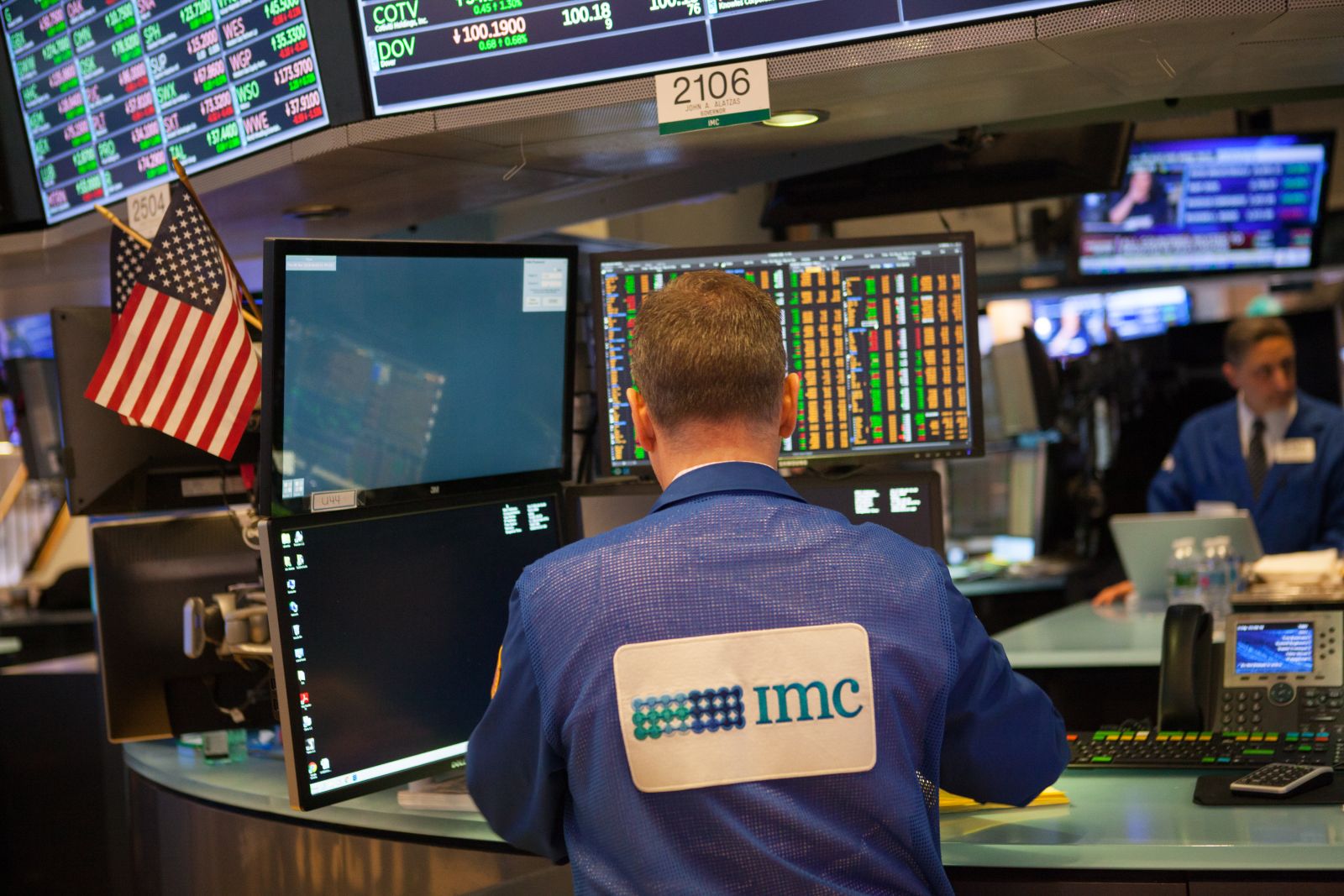
Jan WTI crude oil (CLF23) on Tuesday closed up +2.22 (+3.03%), and Jan RBOB gasoline (RBF23) closed up +7.99 (+3.84%).
Crude oil and gasoline prices Tuesday rallied sharply for the second day. A slump in the dollar index Tuesday to a 6-month low was bullish for energy prices. Also, signs that China is continuing to relax its Covid restrictions supported energy demand and crude prices. Finally, Tuesday's rally today in the S&P 500 to a 3-month high showed confidence in the economic outlook that was supportive of energy demand.
Crude prices garnered support Tuesday on comments made Monday by China's ambassador to the U.S., who said that China will continue to relax its Covid restrictions and welcome more international travelers in the "near future."
A bullish factor for crude is the continued shutdown of the Keystone pipeline, which will tighten U.S. crude supplies. TC Energy has yet to submit the restart plan needed to resume the operation of the pipeline. The Keystone pipeline can carry more than 600,000 bpd of crude and links oil fields in Canada to Cushing, OK, and to refiners on the U.S. Gulf Coast. The pipeline has been closed since last Thursday after a 14,000-barrel crude oil leak.
Crude prices have support from strength in the crude crack spread, which rose to a 1-week high Tuesday. A higher crack spread encourages refiners to boost their crude purchases to refine the crude into gasoline and distillates.
OPEC+ on December 4 decided to keep the group's crude production targets unchanged for January, in line with expectations. OPEC crude production in November fell 1.05 million bpd to a 5-month low of 28.79 million bpd.
Concern about a delayed reopening of China's economy is bearish for energy demand and crude prices. Covid cases are spreading rapidly in China after the country’s pandemic restrictions were unexpectedly eased last week. Any new Covid restrictions would curb energy demand and delay the reopening of China's economy.
In a negative factor for crude oil prices, the EU and G-7 in early December agreed to a $60-a-barrel price cap on Russian crude oil. The cap would prevent companies from providing shipping, insurance, and related services for Russian oil unless that oil is sold below the cap price. However, Russian Urals grade crude oil is currently trading below $60 per barrel, which means that the cap will have no impact on curbing Russian oil exports.
In a bullish factor, Vortexa reported Monday that the amount of crude stored on tankers that have been stationary for at least a week fell -3.1% w/w to 86.83 million bbls in the week ended December 9.
The consensus is for Wednesday's weekly EIA crude inventories to fall by -3.5 million bbl.
Last Wednesday's EIA report showed that (1) U.S. crude oil inventories as of December 2 were -8.4% below the seasonal 5-year average, (2) gasoline inventories were -2.7% below the seasonal 5-year average, and (3) distillate inventories were -7.8% below the 5-year seasonal average. U.S. crude oil production in the week ended December 2 rose +0.8% w/w to a 2-1/2 year high of 12.2 million bpd, which is only 0.9 million bpd (-6.9%) below the Feb-2020 record-high of 13.1 million bpd.
Baker Hughes reported last Friday that active U.S. oil rigs in the week ended December 9 fell by -2 rigs to 625 rigs, falling back slightly from the 2-1/2 year high of 627 rigs on December 2. U.S. active oil rigs have more than tripled from the 17-year low of 172 rigs seen in Aug 2020, signaling an increase in U.S. crude oil production capacity.
More Crude Oil News from Barchart
- Crude Rallies on Dollar Weakness and China Energy Demand Optimism
- Crude Sharply Higher as Keystone Pipeline Remains Closed
- Crude Soars as Keystone Pipeline Remains Shut
- Crude Oil Falls as Keystone Pipeline to Partially Reopen
On the date of publication, Rich Asplund did not have (either directly or indirectly) positions in any of the securities mentioned in this article. All information and data in this article is solely for informational purposes.

/A%20close-up%20of%20an%20AMD%20office%20by%20gehapromo%20via%20Adobe%20Stock.jpeg)
/A%20logo%20for%20Bending%20Spoons%20displayed%20on%20a%20smartphone%20screen%20by%20Timon%20via%20Adobe%20Stock.jpeg)
/ServiceNow%20Inc%20building%20in%20Silicon%20Valley-by%20Sundry%20Photography%20via%20iStock.jpg)