Canadian portfolio manager Lorne Steinberg recently appeared on BNN Bloomberg TV. One of Steinberg’s three picks for the episode was Diageo (DEO), the world’s largest spirits producer.
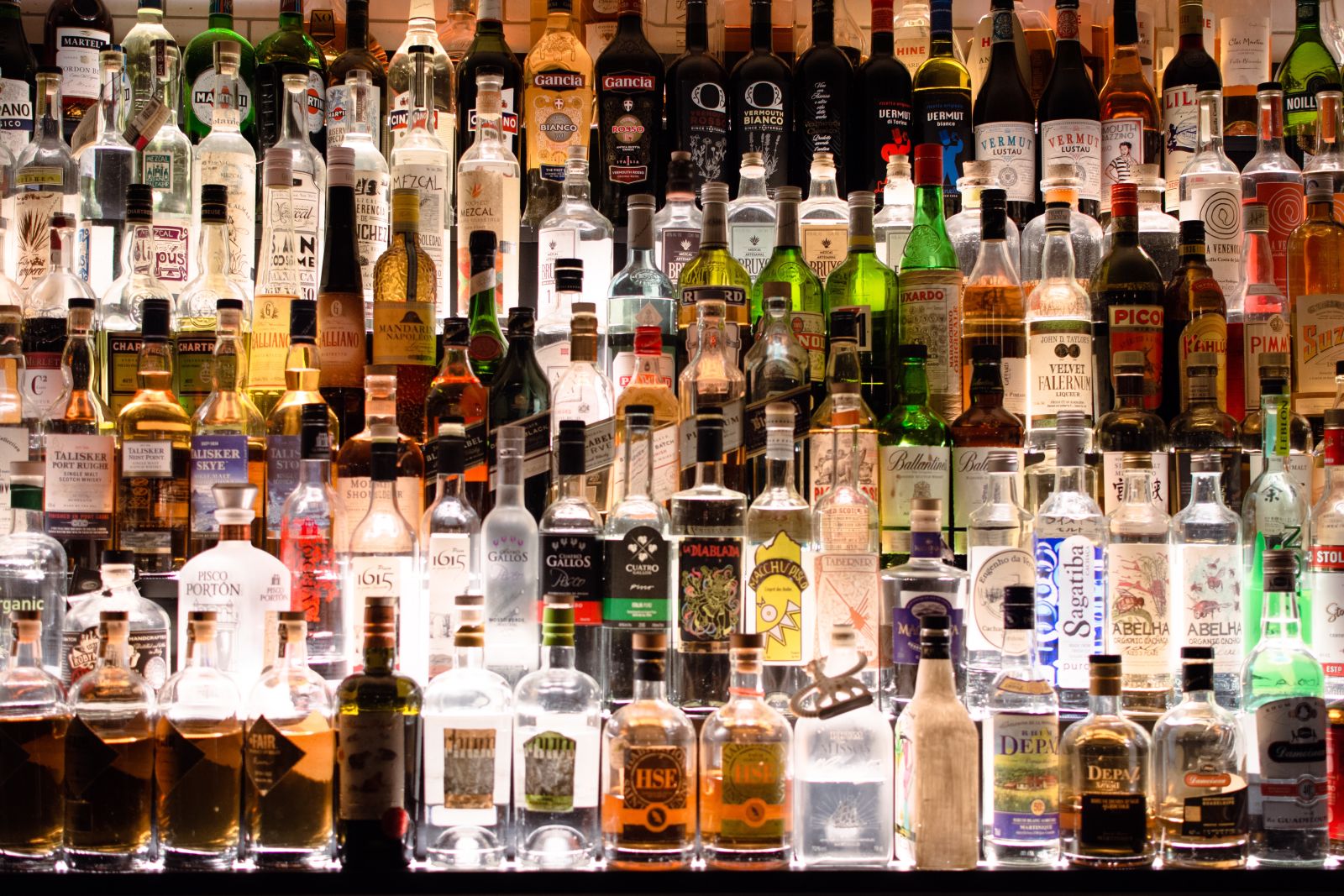
Based in the UK, Diageo’s brands include Johnnie Walker whiskey, Guinness beer, Smirnoff vodka, Captain Morgan rum, Don Julio tequila, and many more.
Steinberg had several arguments for buying Diageo shares at current prices. I’ll lay out several of the portfolio manager’s arguments in more detail.
Diageo Doesn’t Need Acquisitions to Grow
Steinberg believes the company will grow organically by 4-5% over the next few years.
In fiscal 2022, Diageo experienced organic growth of 21% with double-digit increases from all five geographic operating regions, including a 30% increase in Europe. At the same time, its operating profit increased by 26% over 2021.
On a volume basis, its organic growth in 2022 was 10.3%. Diageo owns two of the four largest international brands -- Johnnie Walker and Smirnoff -- by retail sales value. Johnnie Walker’s organic sales growth in 2022 was 34%, growing volume to more than 21 million nine-liter cases.
It remains an excellent company that knows how to build brands organically and not just through acquisitions.
Free Cash Remains a Strength
As many investors know, free cash flow is what successful companies use to reward shareholders with dividends and share repurchases. These are two of the five levers of capital allocation CEOs can pull to maximize shareholder value -- the others being debt repayment, acquisitions, and investing in organic growth.
“Free cash flow” is mentioned 49 times in Diageo’s 2022 annual report.
In 2022, the company’s free cash flow was 2.78 billion British Pounds ($3.19 billion), 10% lower than a year earlier. However, It was still Diageo’s second-highest level of free cash flow in the five fiscal years.
“We believe attractive margins, a strong balance sheet and solid free cash flow give us the financial strength to execute our strategic priorities and deliver strong shareholder returns over the long term,” states its 2022 annual report.
Page 110 of its annual report lays out some of its cumulative performance targets for the past three fiscal years. For free cash flow, it had a maximum goal of 9.6 billion British Pounds ($11.02 billion). The company came in at 8.3 billion British Pounds ($9.53 billion), well below the target.
However, there’s a catch.
The target was set in June 2019, well before Covid-19 flared up in early calendar 2020, which resulted in a significant drop in fiscal 2020 to 1.6 billion British Pounds ($1.84 billion). Diageo probably comes close to achieving the target if it delivers an average year.
Buybacks and Dividends are Healthy
In fiscal 2022 (June year-end), Diageo bought back 2.28 billion British Pounds ($2.62 billion) of its stock and paid out another 1.72 billion ($1.97 billion) in dividends.
As the company said in its 2022 annual report, it’s increased the dividend per share by 220% over the past 20 years, while over the last five, it’s repurchased 7.9 billion British Pounds ($9.07 billion) of its stock.
You can’t do that for very long without healthy free cash flow.
In July 2019, the company started its current share repurchase program. Over four years, it planned to buy back 4.5 billion British Pounds ($5.17 billion) of its stock. It has approximately 900 million British Pounds ($1.03 billion) left to repurchase by June 30, 2022.
With Diageo’s share price down more than 24% year-to-date, it will be a walk in the park.
It All Boils Down to Margins and Growth
As Steinberg said, Diageo’s margins should gradually increase. In 2022, the company’s organic operating margin improved by 121 basis points to 28.5%.
Over the past decade, the company’s operating margin has ranged from a high of 31.4% in 2019 to a low of 25.9% in 2015.
Could they be better? Absolutely.
As Steinberg said, which the company has admitted is a primary goal in the years ahead is to gradually increase its margins. It will be easier to do that when inflation returns to historical norms.
As for growth, Diageo has set some aggressive goals.
“We have set new medium-term guidance for consistent and sustainable growth for fiscal 23 to fiscal 25, and an ambition to deliver a 50% increase in our value share of the TBA [Total Beverage Alcohol] market, from 4% to 6%, by 2030,” stated CEO Ivan Menezes in its 2022 annual report.
“This ambition rests on our view of the attractive fundamentals of TBA combined with our determination to become the best brand builders in the world. I am pleased with the progress we have made towards this ambition, having increased our TBA share to 4.6% in 2021. This share gain was more than any of our peers and two times more than our largest competitor.”
Assuming Diageo keeps costs in line and meets its 2025 near-term goals for growth, I don’t think there’s any question that operating margins will rise back into the 30s.
DEO stock trades at 5.44x sales, the lowest multiple since 2016. I believe it’s worthy of your consideration as a new long-term position.
More Food & Beverage News from Barchart
- Coffee Prices Gain on Dollar Weakness and Smaller Central American Exports
- Beans Off Lows and Mixed
- Wheat Markets Red at Midday
- Corn Down by Double Digits

/Micron%20Technology%20Inc_%20logo%20on%20building-by%20vzphotos%20vis%20iStock.jpg)