



This is sponsored content. Barchart is not endorsing the websites or products set forth below.
For the past few years, artificial intelligence has dominated headlines. From ChatGPT to autonomous vehicles, billions of dollars have poured into companies building the next generation of intelligent technology.
But while most of the attention has focused on software, some investors believe the next phase of AI growth may happen somewhere far more physical: inside the home itself.
As homes become more connected, the infrastructure that powers them—lighting, appliances, energy systems, and sensors—may become part of an intelligent network that adapts to how people live.
That shift could create a massive opportunity for companies building the hardware foundation of the smart home ecosystem.
One company positioning itself in that space is iotty, a smart home technology company focused on turning a simple household object—the light switch—into a connected platform.
Reimagining the Light Switch
At first glance, iotty’s products look different from traditional smart home devices.
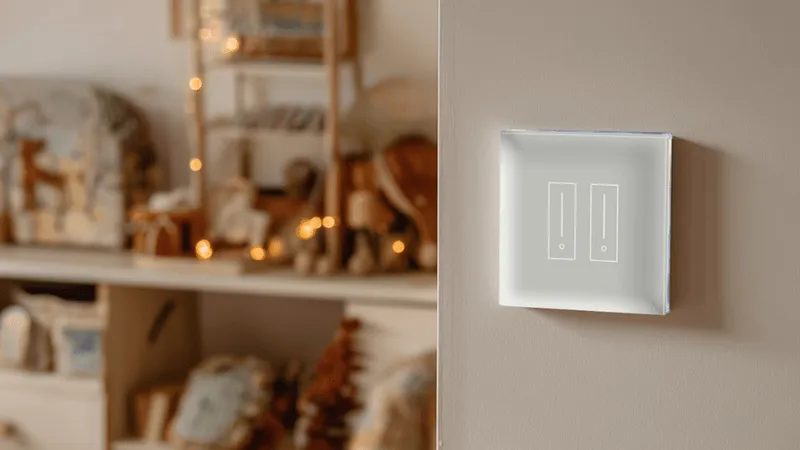
Instead of plastic switches or bulky control panels, iotty manufactures touch-sensitive smart switches made from tempered glass, designed to blend into modern interiors.
But beneath the sleek design is a piece of connected hardware that can control lighting, monitor energy usage, and automate everyday tasks.
The switches connect directly to a home’s Wi-Fi network, eliminating the need for a central hub. Once installed, homeowners can configure automation through the iotty mobile app.
Features include:
- Smart lighting schedules
- Remote control from anywhere
- Geolocation triggers that activate lights when you arrive home
- Weather-based automation
- Energy monitoring
- Voice control through Amazon Alexa, Google Home, and Apple HomeKit
The goal is to transform a basic piece of home infrastructure into an intelligent control point.
Building a Design-Driven Smart Home Product
One area where iotty stands out is its focus on design.
Many smart home products emphasize functionality but pay little attention to aesthetics. iotty approaches the category differently by treating the switch itself as part of the room’s design.
The company’s switches feature customizable backlighting and a patented modular faceplate system that allows different materials and finishes to be used, including glass, ceramic, and wood.
Because the internal electronics remain the same, the modular design allows the company to offer a wide variety of styles without maintaining large inventories.
The result is a product designed to appeal not only to technology enthusiasts but also to architects, designers, and homeowners focused on interior aesthetics.
Proven Traction in the Market
While many smart home companies are still early in development, iotty reports meaningful traction.
According to company figures:
- 100,000+ devices have been installed globally
- The company has generated more than $13 million in cumulative revenue
- Products have received a 4.9-star average rating across more than 1,500 reviews
- Gross margins exceed 70%
The company also reports strong unit economics, with an average order value of about $408 and an estimated 12-month customer lifetime value of more than $630.
This suggests that many customers expand their smart lighting systems after the first installation.
A Rapidly Growing Industry
The broader smart home sector is expanding quickly as connected devices become more common.
Industry forecasts estimate the global smart home market is currently valued at around $127 billion and could reach approximately $537 billion by 2030.
Growth is driven by several factors:
- Increasing adoption of connected devices
- Advances in artificial intelligence and automation
- Rising consumer demand for energy efficiency
- Integration with voice assistants and mobile apps
Major technology companies, including Amazon, Apple, Google, Samsung, and LG, have all introduced platforms designed to support connected home ecosystems.
Companies like iotty aim to provide hardware that integrates with these platforms while offering a differentiated design approach.
Expanding Beyond Switches
iotty’s roadmap includes several new product launches intended to expand the platform.
Among the upcoming developments:
- A smart outlet product, which already has over 2,000 customers on the waitlist
- Bluetooth occupancy sensors that enable presence-based lighting automation
- Expanded collections of premium faceplate materials and finishes
- Partnerships with architects, builders, and electricians to integrate the technology into new construction and renovations
These initiatives are designed to broaden the company’s role within the smart home ecosystem and increase the number of devices installed per home.
A Chance to Invest While the Opportunity Is Still Early
As the smart home industry continues to grow, some investors are starting to pay closer attention to the companies building the technology that powers it.
iotty is currently giving the public a chance to participate as the company expands its platform and brings new products to market.
For a limited time, shares are being offered at just $1.00 each.
Opportunities like this weren’t always available to everyday investors. In the past, early-stage startup investments were typically reserved for venture capital firms and wealthy insiders.
But recent changes in U.S. law have made it possible for private companies to raise capital directly from the public, allowing individuals to invest in startups earlier than ever before.
Because investment rounds like this have strict limits on how much capital can be raised, the opportunity will only remain open for a limited time.
Investors interested in investing can click here to learn more.
This is a paid advertisement for iotty's Regulation CF offering. Please read the offering circular and related risks at invest.iotty.com. Barchart has not reviewed, approved, or endorsed the content and was paid up to $3.00 per click for placement and promotion of the content on this site and other forms of public distribution covering the period of March-April 2026.


/Oracle%20Corp_%20logo%20on%20phone%20and%20stock%20data-by%20Rokas%20Tenys%20via%20Shutterstock.jpg)
/NVIDIA%20Corp%20logo%20outside%20building-by%20BING-JHEN_HONG%20via%20iStock.jpg)

/Dominos%20Pizza%20Inc%20storefront%20by-KathyDewar%20via%20iStock.jpg)