



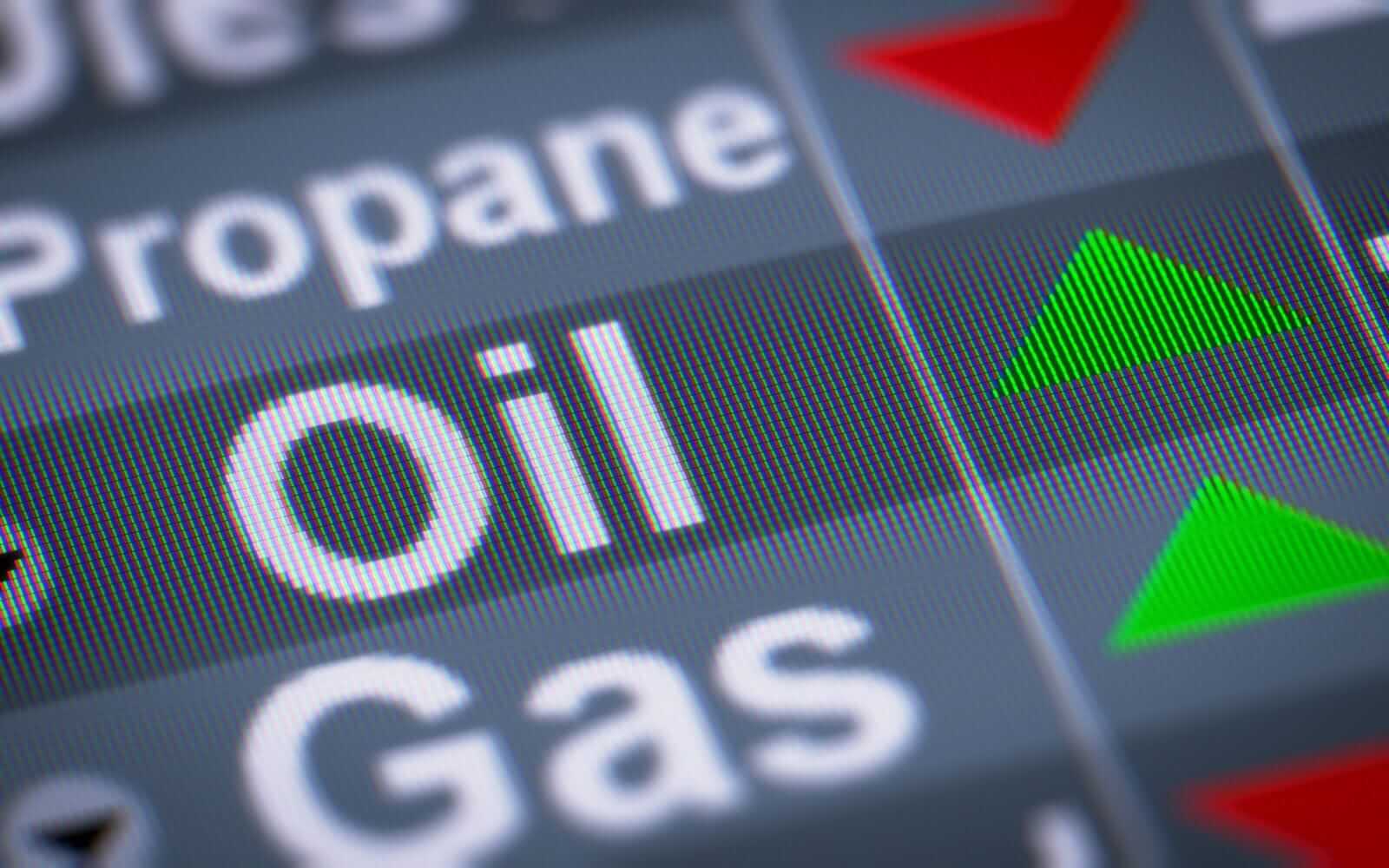
The losers from U.S. and Israeli attacks on Iran and from attempts to disrupt shipping through the Strait of Hormuz are fairly obvious. The first to feel the impact are countries that import oil and gas from the region, like the eurozone, South Korea, Japan, China, and Australia, and even oil exporters in the Middle East aren’t safe.
At the sectoral level, the most vulnerable are companies directly exposed to energy costs, like airlines or cruise operators. Indirectly, if energy prices remain high, inflation could accelerate. That, in turn, could force central banks, including the Federal Reserve, to maintain a more restrictive monetary policy for longer.
But what about the beneficiaries?
First, oil producers outside the region benefit directly from higher global oil prices if supply through the Strait of Hormuz is restricted. Second, LNG suppliers outside the Middle East also stand to gain.
Second, the defense industry benefits from heightened tensions: manufacturers of missiles, air defense systems, fighter jets, drones, and other military equipment typically experience increased demand during periods of geopolitical instability.
The U.S. dollar has also strengthened. Since the beginning of the week, the dollar index has risen by around 1.5%, approaching the 100 level amid geopolitical uncertainty, investors tend to shift at least part of their portfolios into cash and dollar-denominated assets.
As for why U.S. Treasury bond prices have been falling, it’s less about capital flight and more about concerns that rising energy prices could drive inflation. Even if the Fed doesn’t raise rates further, markets may now expect rates to stay higher for longer.
For instance, inflationary pressures are already showing signs of increasing. In the United States, as companies begin to pass on higher costs to consumers, producer prices rose 0.5% month-on-month and 2.9% year-on-year in January. Core producer prices rose 0.8% month-on-month and 3.6% year-on-year.
In the eurozone, inflation was also higher than expected, even before any potential impact from rising oil and gas prices. Inflation in the 21 countries that use the euro rose to 1.9% from 1.7% the previous month, exceeding expectations. Core inflation rose to 2.4% from 2.2%, driven largely by stronger-than-expected services inflation.
Another beneficiary worth mentioning is the Swiss franc, traditionally considered a safe-haven currency during geopolitical tensions.
Now, if the conflict calms down sooner rather than later, these same beneficiaries — oil producers, defense stocks, the dollar, and the Swiss franc — could be the first to suffer a correction.

/NVIDIA%20Corp%20logo%20on%20phone-by%20Evolf%20via%20Shutterstock.jpg)

/Jen-Hsun%20Huan%20NVIDIA's%20Founder%2C%20President%20and%20CEO%20by%20jamesonwu1972%20via%20Shutterstock.jpg)
/Broadcom%20Inc%20logo%20on%20building-by%20Poetra_%20RH%20via%20Shutterstock.jpg)