



/Alibaba%20by%20Photo%20Agency%20via%20Shutterstock.jpg)
Alibaba fell after it announced a roughly $10.2 billion equity raise to fund more AI investment. The company is issuing 710 million new shares at HK$112.70, an 8.4% discount to the previous close. Shareholders will see their stakes diluted by roughly 3.6%, so the negative reaction was understandable. I bought (BABA) after the fall. What interested me was not simply that the shares were lower. A lower price by itself has never been enough for me. What changed was the combination of the price, the capital raise, and what management did almost immediately afterward.
Chairman Joseph Tsai bought about $10.3 million of stock and CEO Eddie Wu bought roughly $5 million, both at prices very close to where the new shares were issued. These appear to be their first meaningfully reported open-market purchases. That caught my attention. Alibaba has just asked outside shareholders to accept dilution so it can spend more heavily on AI. The two people closest to that decision then used their money to buy the shares created by the market's discomfort with it. Corporate capital allocation tells you what management thinks should happen with the company's money. Insider buying tells you what management is prepared to do with its own. I prefer the second signal.
The Market Is Pricing the Cost Before We Know the Return
There is plenty to dislike in the current numbers. Alibaba is already well into a three-year AI infrastructure plan of 380 billion yuan, more than $50 billion. Capital expenditure has risen sharply, and quarterly profit fell 75% as investment accelerated. That is what the market can see today. The harder part is working out what Alibaba will eventually earn on all that spending.
Cloud and AI-related revenue grew 45% in the latest quarter. Management now believes the payback period on its AI investment could be around 2.5 years. If that is remotely close to correct, the economics of this capital raise look very different from the headline dilution.
That is the bet I am making. If Alibaba raises $10 billion, spends it badly, and earns a poor return, shareholders have been diluted for nothing. I will have been wrong. If that capital accelerates a cloud and AI business already growing far faster than the rest of the company, then investors may be concentrating on the most visible number while missing the more important one. The dilution is known today. The return is not. Markets often price the first part much faster than the second.
Why the Insider Buying Matters to Me
I would not buy (BABA) A because two executives bought shares. Insider transactions are useful signals, not investment theses. The amounts are also small compared with Alibaba's market value and the executives' existing wealth. The timing is the key factor.
Tsai and Wu know what Alibaba is seeing inside its cloud business. They know what customers are asking for, how quickly capacity is being used, what pricing looks like, and what the internal return assumptions are on the next dollar being spent. They may still be wrong. Management teams regularly are. But if the people approving one of the largest AI spending programs in the world are personally buying the shares immediately after the market punishes that spending, I want to understand the disagreement.
The market is saying, “You are spending too much and diluting me to do it.” Management seems to be saying, “You are underestimating the returns from this spending.” That is a much more compelling setup than simply buying a stock because it fell.
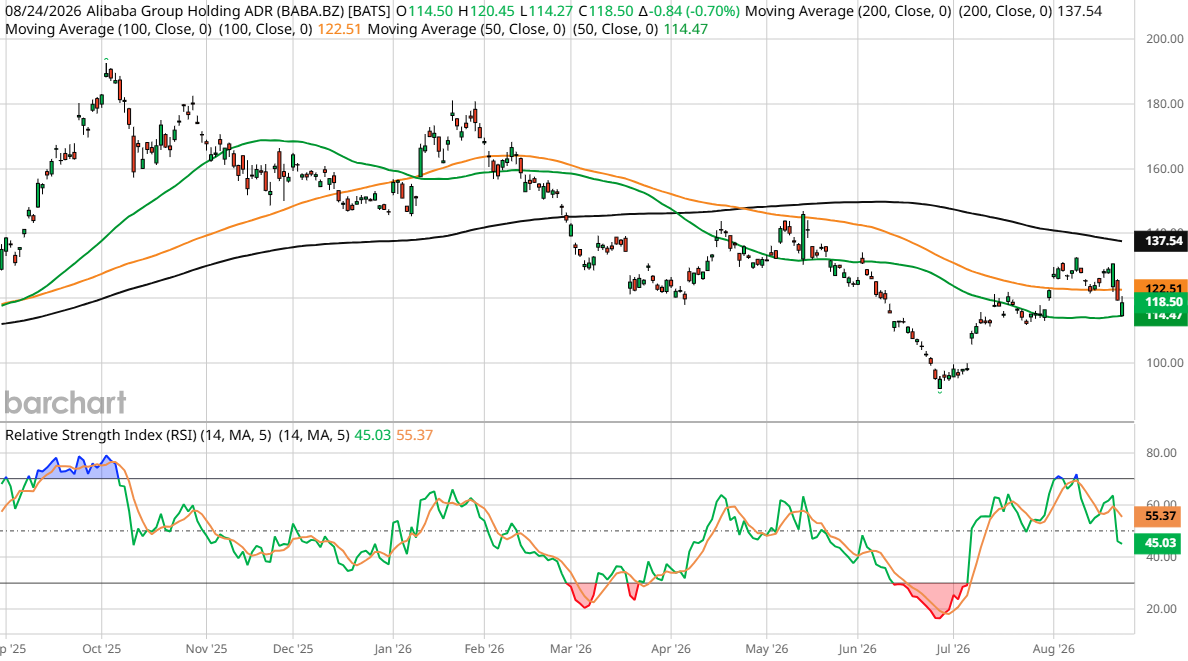
Why I Own @BABA Now
I am not trying to pick the exact bottom. I have never found that particularly useful. I am buying into a specific mismatch. (BABA) has taken a hit because the cost of the AI strategy is immediately visible. The benefits arrive later, if they arrive at all. That time difference creates both opportunity and risk.
What I want to see now is straightforward. Cloud and AI growth needs to remain strong. The giant increase in capital spending eventually must show up in cash generation, not just higher revenue. And Alibaba's claim that these investments can pay back in roughly 2.5 years needs to start becoming visible in the financial statements. The placement price around HK$112 is also useful to me. That is where Alibaba raised the capital and roughly where Tsai and Wu chose to buy personally.
If (BABA) A cannot hold around that area while the operating story remains intact, I will pay attention. Price action after a heavily discounted capital raise can tell you whether the market is absorbing the new supply or whether sellers still know something the buyers do not.
If the shares stabilize and cloud growth continues, I would be more interested in adding to my position. I would become much less comfortable if Alibaba returned to the equity market again soon. One capital raise to accelerate an opportunity can be rational. Repeatedly asking shareholders for money because the investment program cannot finance itself would tell me something very different. The same goes for cloud growth. If it slows materially while capex remains elevated, the return argument becomes harder to defend. Those are the factors that would lead me to reconsider.
The $10 Billion Is Not the Story
Investors can become too fixated on whether dilution is good or detrimental. It is neither in isolation. What matters is what management does with the money. A company can create value despite dilution by issuing shares at a high valuation and reinvesting the proceeds at exceptional returns. A company issuing shares cheaply and earning poor returns can destroy it. Alibaba has now set a deadline for itself.
It has raised another $10 billion to accelerate an AI strategy that is already consuming enormous amounts of capital. The market has marked down @BABA because of the cost. Tsai and Wu have bought into that weakness because, presumably, they believe the return will justify it. I own (BABA) . I need it to earn enough of the money it is spending so that today's dilution looks cheap in hindsight.
The insiders appear to think it will. Now I want the numbers to prove them right.
On the date of publication, Jim Osman had a position in: BABA. All information and data in this article is solely for informational purposes. For more information please view the Barchart Disclosure Policy here.

/Micron%20Technology%20Inc_%20logo%20on%20building-by%20vzphotos%20vis%20iStock.jpg)

/People%20shopping%20at%20a%20Walmart%20store%20by%20Photography%20via%20Shutterstock.jpg)
