



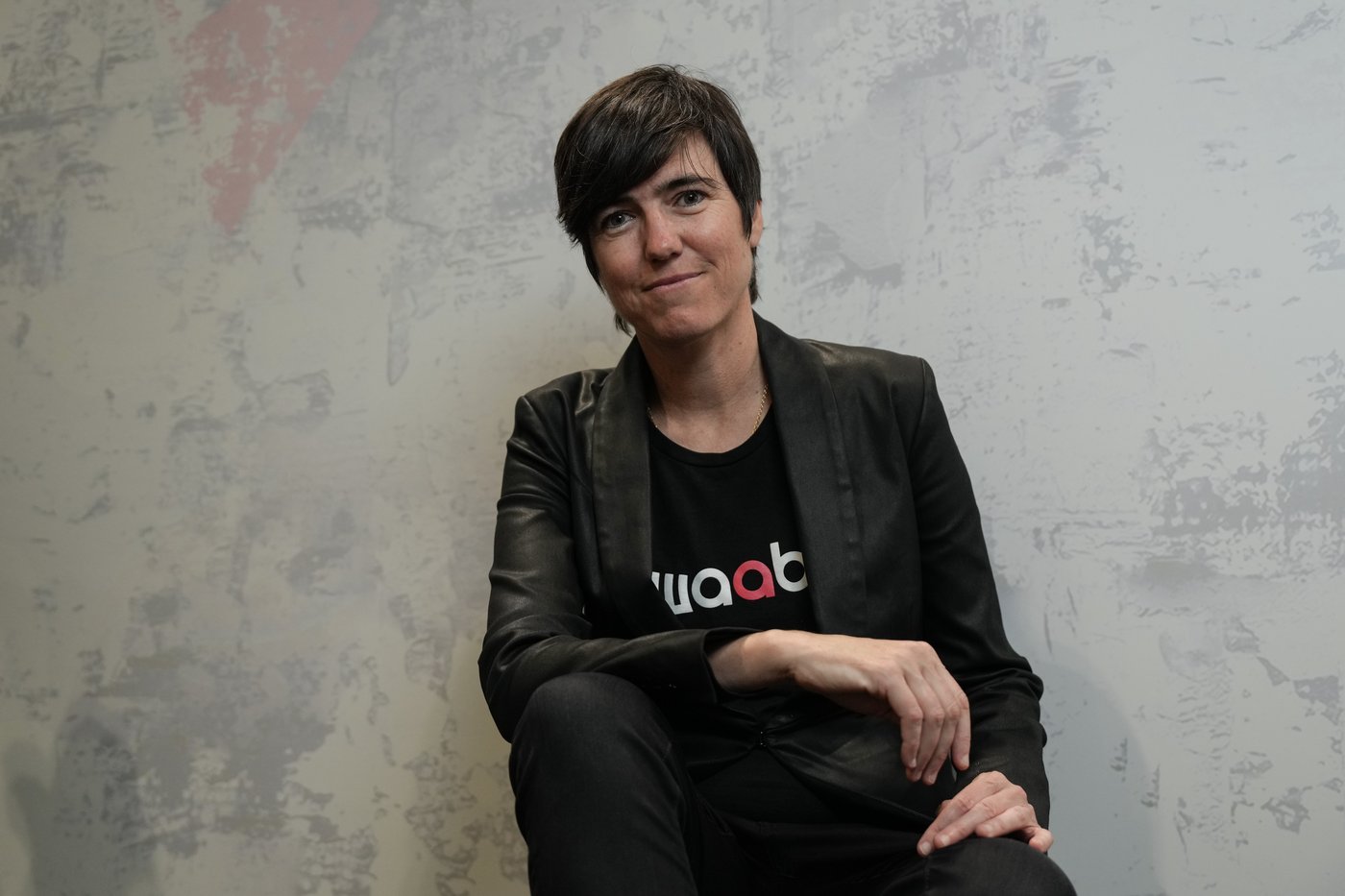
TORONTO - Autonomous driving company Waabi Innovation Inc. says it has secured US$1 billion, or about $1.37 billion Canadian, in new funding to expand commercialization of its self-driving trucking system and push into robotaxis. Toronto-based Waabi says the capital raise includes a US$750 million series C funding round, co-led by Khosla Ventures and G2 Venture Partners, plus what it calls a "milestone-based future investment" from Uber. The deal with Uber will see Waabi roll out its system for robotaxis exclusively on the Uber platform, with plans to deploy 25,000 or more Waabi Driver-powered robotaxis. Raquel Urtasun, who founded Waabi in 2021, previously worked for Uber. The ride-hailing platform sold its self-driving unit in 2020, but has since partnered with Waymo, Alphabet Inc.'s self-driving division, and others, to bring autonomous ride-hailing to U.S. cities. Waabi says other strategic investors in the funding round include NVentures (Nvidia’s venture capital arm), Volvo Group Venture Capital, and Porsche Automobil Holding SE, while financial investors include BlackRock, Radical Ventures, BDC Capital’s Thrive Venture Fund, Export Development Canada and Telus Global Ventures. Urtasun found success by focusing first on digital simulations of the real world to train its AI-powered driving systems. Since 2022, Waabi has also been testing its vehicles on real roads with safety drivers, while last October it completed its first test drive on a closed course with no human on board. “Waabi’s physical AI platform has enabled us to hit an industry-leading pace in the development and commercialization of autonomous trucks over the past few years,” said Urtasun in a statement. Other driverless trucking companies have also been making inroads. Loblaw Cos. Ltd. partnered with Gatik Inc. to carry out its first fully driverless shipments in 2022 in the Greater Toronto Area. Last September, Loblaw said it had signed an expansion of the partnership that would see 20 autonomous Gatik trucks deployed by the end of 2025 plus another 30 by the end of 2026. This report by The Canadian Press was first published Jan. 28, 2026.


/A%20Palantir%20sign%20displayed%20on%20an%20office%20building%20by%20Poetra_RH%20via%20Shutterstock.jpg)

/Lululemon%20Athletica%20inc_%20phone%20and%20website%20by-%20T_Schneider%20via%20Shutterstock.jpg)
/Quantum%20Computing/Image%20by%20Funtap%20via%20Shutterstock.jpg)