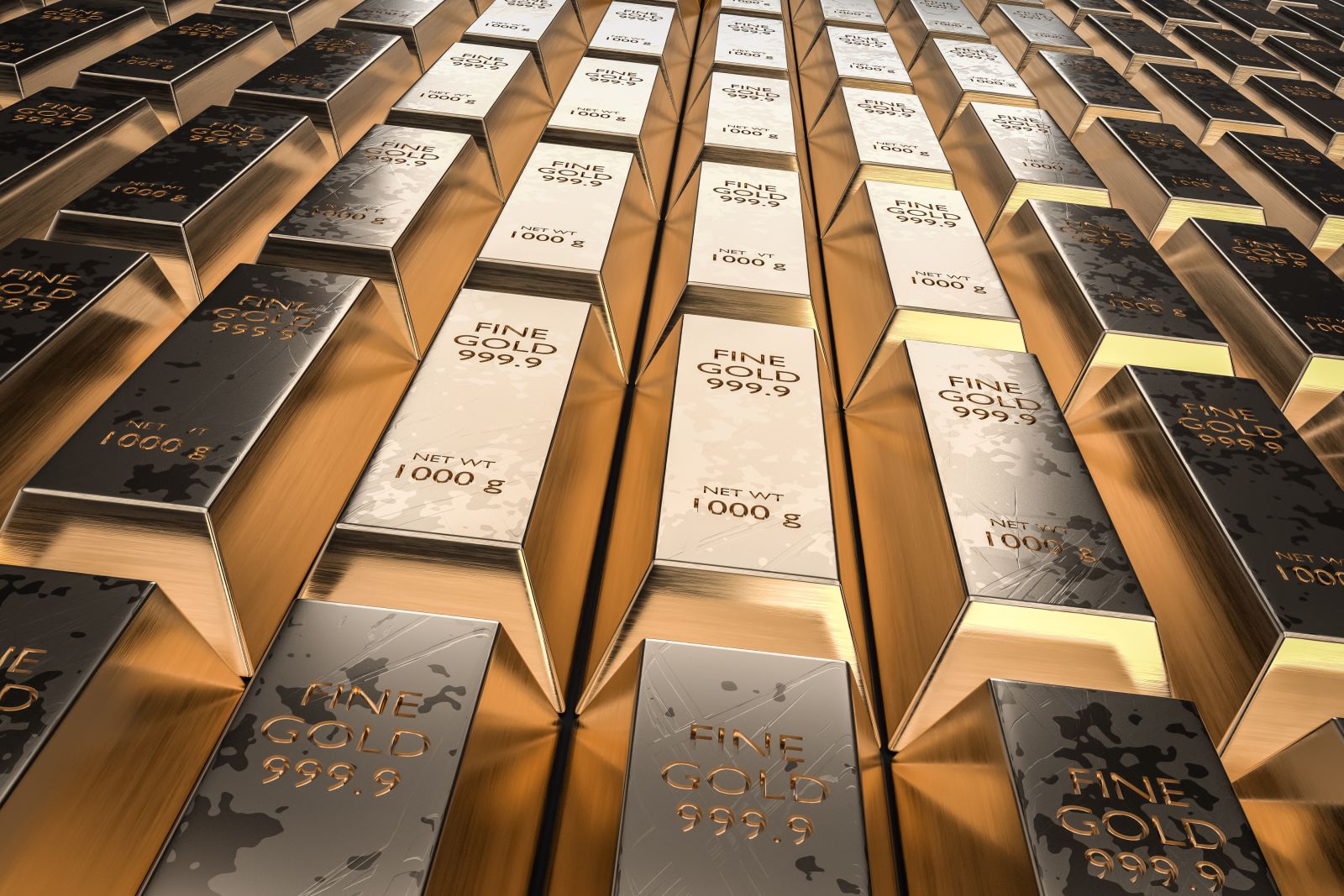
After a brief pause, gold (XAUUSD) is back on the rise. On Tuesday, it climbed above the $4,300 per ounce mark again, partly thanks to the weakness of the US dollar.
When might we see new all-time highs for the precious metal?
Judging by analysts’ forecasts, as soon as next year, gold could rise further. Deutsche Bank, for instance, has raised its forecast to $4,450 per ounce. RBC Capital Markets expects prices to average $4,600 and finish the year closer to $4,800. ING projects an average of $4,325, while Goldman Sachs is even more bullish, forecasting $4,900 by year-end.
The factors driving this growth are expected to remain the same as those supporting gold this year: strong buying by central banks and steady inflows from private investors, underpinned by Fed monetary policy easing.
The only thing is that aggressive interest rate cuts by the Fed are not currently on the agenda. The latest dot plot from the Fed’s final meeting of the year shows policymakers projecting just one rate cut next year—a modest 25 basis points from the current 3.5%–3.75% range. Markets, however, are more optimistic and are pricing in two cuts.
Which side turns out to be right will largely depend on upcoming inflation and labor market data. If inflation starts to pick up again, the labor market cools only gradually, and the broader economy continues to grow roughly in line with the Fed’s expectations, policymakers may see little urgency to move quickly.
On the other hand, if inflation clearly trends toward the 2% target and labor market conditions weaken more sharply, the pace of easing may accelerate. In that case, the dollar index would likely weaken further, potentially giving gold another push higher.
As for the recent labor data, it offers a mixed picture. Job losses totaled 105,000 in October, while employment rose by 64,000 in November. Private-sector job growth also increased, averaging 69,000 in November, with the three-month average rising to 72,000 jobs per month. That’s still modest, but a clear improvement from the prior three months. Meanwhile, the unemployment rate edged up from 4.4% in September to 4.6% in November. In short, conditions are softening, but not in a way that signals an urgent need for Fed intervention.
On the demand side, UBS estimates that central banks and sovereign wealth funds will buy around 900 metric tons of gold in 2026. While that would mark a slight slowdown from 2025, it remains well above the 450–500 ton annual average seen between 2010 and 2021. Still, some central banks may choose to reduce excess reserves, which could weigh on prices in the short term.
Geopolitical risks could also provide support, whether from renewed tensions in the Middle East or escalating frictions in Asia. Regarding market sell-offs, periods of outright panic often prompt investors to liquidate all their assets, including gold.

/AI%20(artificial%20intelligence)/Artificial%20intelligence%20and%20machine%20learning%20concept%20-%20by%20amgun%20via%20iStock.jpg)
/Broadcom%20Inc%20logo%20on%20building-by%20Poetra_%20RH%20via%20Shutterstock.jpg)
/Oracle%20Corp_%20logo%20on%20phone-by%20WonderPix%20via%20Shutterstock.jpg)