

This is sponsored content. Barchart is not endorsing the websites or products set forth below.
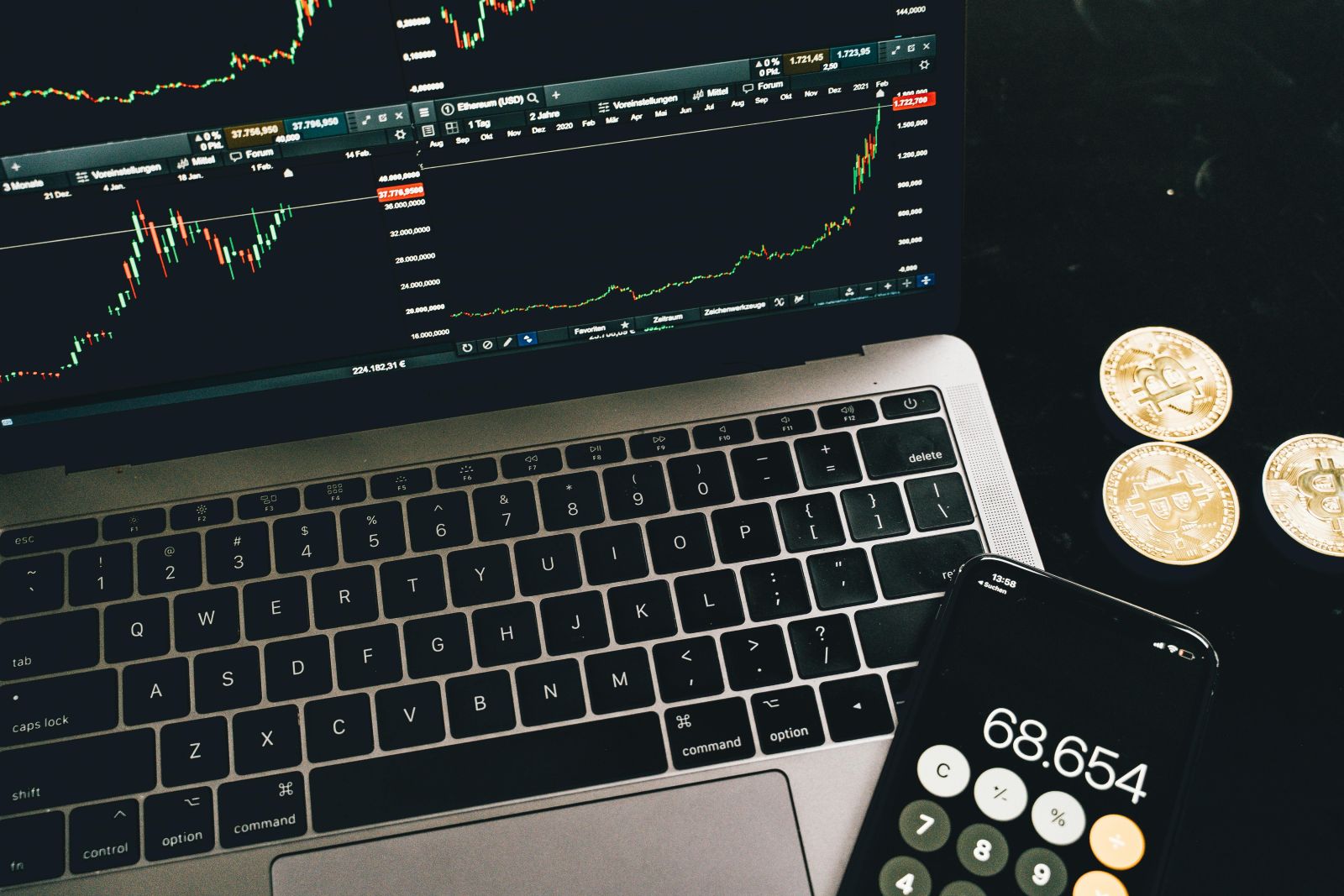
Hedge funds have been at the forefront of innovative strategies in the financial markets, seeking approaches that deliver returns while mitigating risk in volatile conditions. Bitcoin and Ethereum futures, which were once niche tools used by cryptocurrency enthusiasts, have evolved into serious investment tools adopted by some of the world's largest funds.
The possibility of trading futures on regulated exchanges, being exposed without physically holding assets, and applying derivatives to hedge and speculate has changed how hedge funds perceive digital assets. If you wish to gain exposure to it, a simple entry point is to visit Kraken to buy bitcoin and then use the platform to learn how futures can be used in conjunction with existing holdings.
Futures as a Gateway to Digital Assets
In the case of hedge funds, futures contracts provide an opportunity to invest in the cryptocurrency market without having to hold Bitcoin or Ethereum in wallets, which can involve complex custody solutions and other regulatory considerations. Futures enable funds to gain exposure to price movements without incurring some of the operational costs associated with holding the underlying assets.
Kraken states that futures trading provides an opportunity to be long or short, and the hedge funds have the flexibility to gain profits in both up and down markets. This flexibility is especially attractive in the highly volatile cryptocurrency market, where price fluctuations are not only frequent but also dramatic.
Controlling Volatility With Accuracy
Risk management is one of the significant factors that has led hedge funds to adopt crypto futures. Derivatives are embedded in traditional investment portfolios as hedging mechanisms and digital assets are not an exception. With Bitcoin and Ethereum futures, hedge funds are able to balance exposure in other areas of their portfolios, drawdowns, and liquidity and still engage in upside opportunities.
According to Kraken's market findings, futures enable funds to establish definite plans, including maintaining delta neutrality or developing spread trades. The strategies would allow managers to balance their books in a way that minimizes the effects of uncertain price fluctuations.
Institutional Legitimacy Through Regulation
The rising popularity of Bitcoin and Ethereum futures is also linked to their availability on regulated exchanges, such as the CME Group in the United States. Such venues offer the transparency and control that hedge funds need. Coupled with the liquidity provided by traditional crypto exchanges such as Kraken, this two-pronged infrastructure helps convince institutional investors that the market is maturing.
For instance, regulated futures offer not only legal certainty, but also create an avenue through which legal compliance with institutional requirements that tend to limit direct exposure to unregulated assets can be achieved. This has simplified the process through which hedge funds integrate crypto futures into their wider plans.
Diversification and Portfolio Strategy
Hedge funds do not just pursue returns in the crypto market but also seek the benefits of diversification. Bitcoin and Ethereum are not necessarily concerned with the movement of more traditional assets, such as equities or bonds, offering the potential for non-correlated performance. Funds can spread their portfolios by adding futures contracts pegged to these digital assets, which will minimize risk exposure.
Increasing Trust in Market Infrastructure
Trust in crypto futures markets has grown exponentially, with liquidity growing stronger and spreads decreasing. Bitcoin and Ethereum futures have become a trusted tool for large players, enabling them to trade substantial volumes without incurring excessive slippage. Hedge funds, which were cautious five years ago due to underdeveloped market structures, are now entering the market with confidence.
From now on: Futures as Core Holdings
This shift to view Bitcoin and Ethereum futures as a core holding rather than a speculative addition is indicative of the broader institutionalization of crypto. Hedge funds regard these contracts not only as an instrument of tactical trading but also as a foundation for long-term strategies. The power to hedge, diversify, and remain liquid has solidified their position in modern portfolio management.
With regulatory frameworks still in development and the connection between digital and traditional markets strengthening, crypto futures are likely to become an integral part of the hedge fund business. The next frontier is seemingly more advanced products, as Kraken notes, including options and structured derivatives on Bitcoin and Ethereum.
FAQs
Why do hedge funds hold the coins in the form of futures?
Futures enable price exposure without the operational and custody complexities associated with owning assets.
Do Bitcoin and Ethereum futures have regulations?
Yes, big futures trades are traded on regulated markets such as CME, which provides institutional investors with oversight and transparency.
Do futures mitigate risk in crypto investments?
Yes. Futures enable hedge funds to hedge against volatility, position themselves, or stay exposed to downside risk.
The Key Takeaways
Hedge funds are moving to Bitcoin and Ethereum futures because they offer exposure, flexibility, and risk management without the difficulties associated with direct asset custody. Futures also meet the institutional needs of regulated markets and offer the benefit of portfolio diversification.
According to Kraken's analysis, the trend of adopting futures as core holdings will be accelerated solely by the maturation of market infrastructure. In the case of the hedge fund industry, crypto futures have moved from the periphery to the core of contemporary investment strategies.
This article contains sponsored content. Barchart has not reviewed, approved, or endorsed the content, and may receive compensation for placement of the content on this site. For more information please view the Barchart Disclosure Policy here.

/AI%20(artificial%20intelligence)/3D%20Graphics%20Concept%20Big%20Data%20Center%20by%20Gorodenkoff%20via%20Shutterstock.jpg)
/Netflix%20on%20tv%20with%20remote%20by%20freestocks%20via%20Unsplash.jpg)
/Nvidia%20logo%20and%20sign%20on%20headquarters%20by%20Michael%20Vi%20via%20Shutterstock.jpg)
/NVIDIA%20Corp%20logo%20on%20phone-by%20Evolf%20via%20Shutterstock.jpg)