“Shootin’ The Bull”
by Christopher B Swift
2/20/2026
Live Cattle:
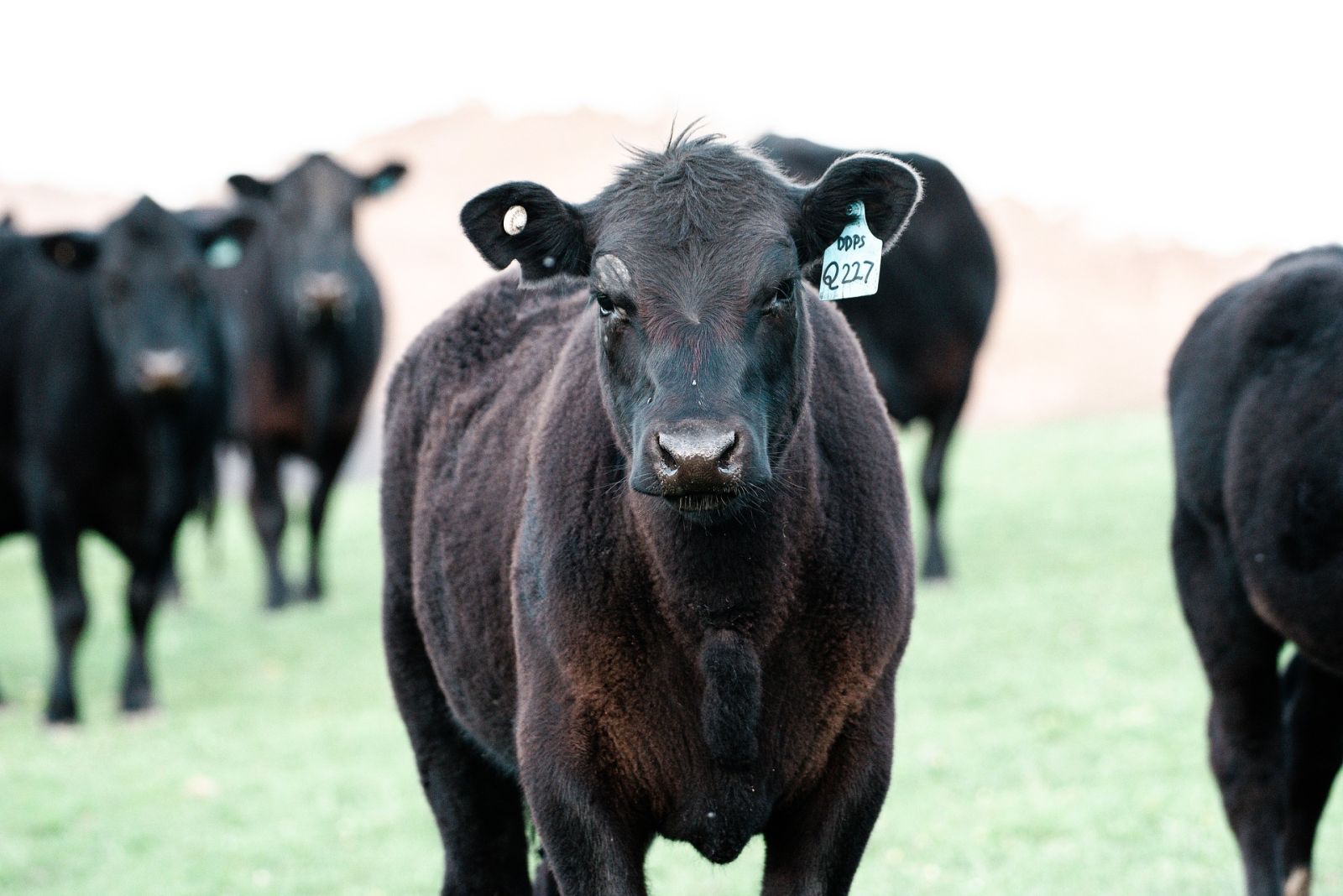
In my opinion, a plethora of news, rumors, and potential changes in processing, sent a lot futures traders to the sidelines. It will be interesting to see if the new longs established this week remained into the weekend. There was quite a bit of open interest increase this week. Those who bought, own the top of the known highs, so far, and sellers having marketed at the top of the known high, so far. Tariff issues are such that I am not smart enough to figure out in advance, and especially since they appear a moving target now. I don't anticipate that much trading in cattle, or beef due to the tariff issue. Were it to negatively impact the economy, that would be the indirect consequence. Of what could happen is the JBS plant actually strikes, or we could see some packers become creative in ways to help manage the excessive negative margins. The first thing that comes to mind would be docking the price for animals over X in live weights. Since there appears an approximate over 18% of long fed inventory, anything that may disrupt the present, would be anticipated to impact those cattle the most. Stringing cattle out for so long is believed to have kept beef production per head up significantly, but may have well caused a bit of a backup, were anything to take place that would cause the readiest cattle to come to market sooner, than later. The on-feed report showed 11.505 million head on feed. That is approximately 211,000 less than last year and 55,000 more than last month. This is well within the trade guess and the number of head on feed is reflecting the very, very long fed cattle.
All categories of cattle weights have made new historical highs for the year. So far though, no futures contract has made a new contract high, or has basis been negative by any significant means in the past several months. These are diverging factors. The futures are diverging themselves from the cash markets, believed in expectation that producers have assumed significant leverage that may be difficult to manage under adverse price conditions. Hence, by keeping a safe distance from the cash market, were anything negative to transpire, they would already have a jump on moving lower. If cash remains high, futures will simply grind to converge with cash. There are seemingly growing situations with negative, and projected negative, margins for several sectors of the industry. Last week saw both the cattle feeder and packer in the red. The spread between calf and stocker versus feeder cattle widened further as well. There is one thing, and one thing only that will erase the negative margins, and that is a higher price for cattle, and in some cases, extraordinarily higher. Were the long fed cattle to be discounted, causing an abrupt reason to market them, flooding the beef market, already depressed, it would lead me to anticipate the next leg of a contracting pattern in the futures market to materialize.
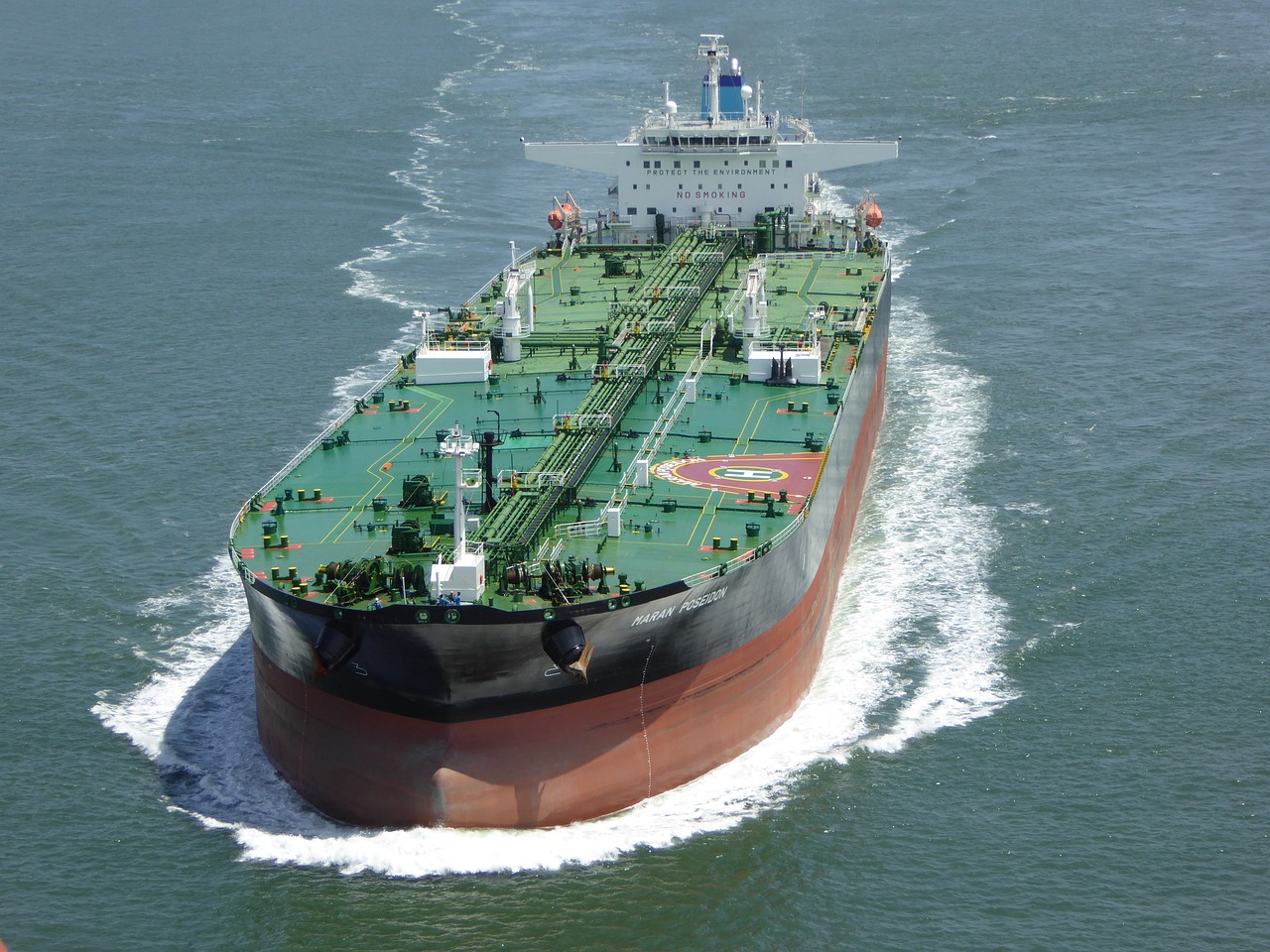
Energy has been on the move this week with diesel fuel leading the way. Diesel fuel is the energy source for military equipment and aircraft. Crude has kept a close second, with gasoline bringing up the rear. The movement in energy is believed directly related to the issues with Iran. Any escalation of the situation would be deemed friendly towards energy, with no telling where prices may go with the amount of money and ability to move markets. Topping off farm tanks and booking spring fuel has been recommended through the week. Farmers will most likely be impacted by the higher fuel cost as planting is a mere month away from starting down south. Until the situation is resolved, I would anticipate a firm tone to remain under energy prices. Corn remains dormant with about a 4 million acre decline slated so far. Beans are expected to pick up those corn acres, so total production would be anticipated equal to last year. Maybe a few more beans and a little less corn. This spring will start out with more drought areas than last year. Small snow falls in the mountains are not believed to have filled reservoirs enough for irrigation in those areas that rely on such. Discussing this with producers this week, we noted that the past 3 years have not been stellar in weather with some drought aspects through multiple regions, and still produced record yields. The US farmer and rancher knows how to produce the most from the least. So, what is needed, is fewer acres, or a crop failure somewhere in the world, but hopefully not the US, to raise corn and soybean prices. Demand for soybean oil has been great with the rise in diesel fuel prices, but corn has not benefited by as much with ethanol. I think that is simply the two different products and maybe ideas that with inflation continuing, and anticipated to increase, the consumer may be hampered more by the inflation, and therefore gasoline, the energy source of the consumer, sees a decline in usage. Higher or lower, the consumer is about to see a $.20 rise in gasoline prices regardless due to the summer blend starting next month. Bonds were softer on the day, but higher on the week. The loose monetary policies of the US and China are expected to produce further inflation.

/Nvidia%20logo%20and%20sign%20on%20headquarters%20by%20Michael%20Vi%20via%20Shutterstock.jpg)


/Intel%20Corp_%20Santa%20Clara%20campus-by%20jejim%20via%20Shutterstock.jpg)