



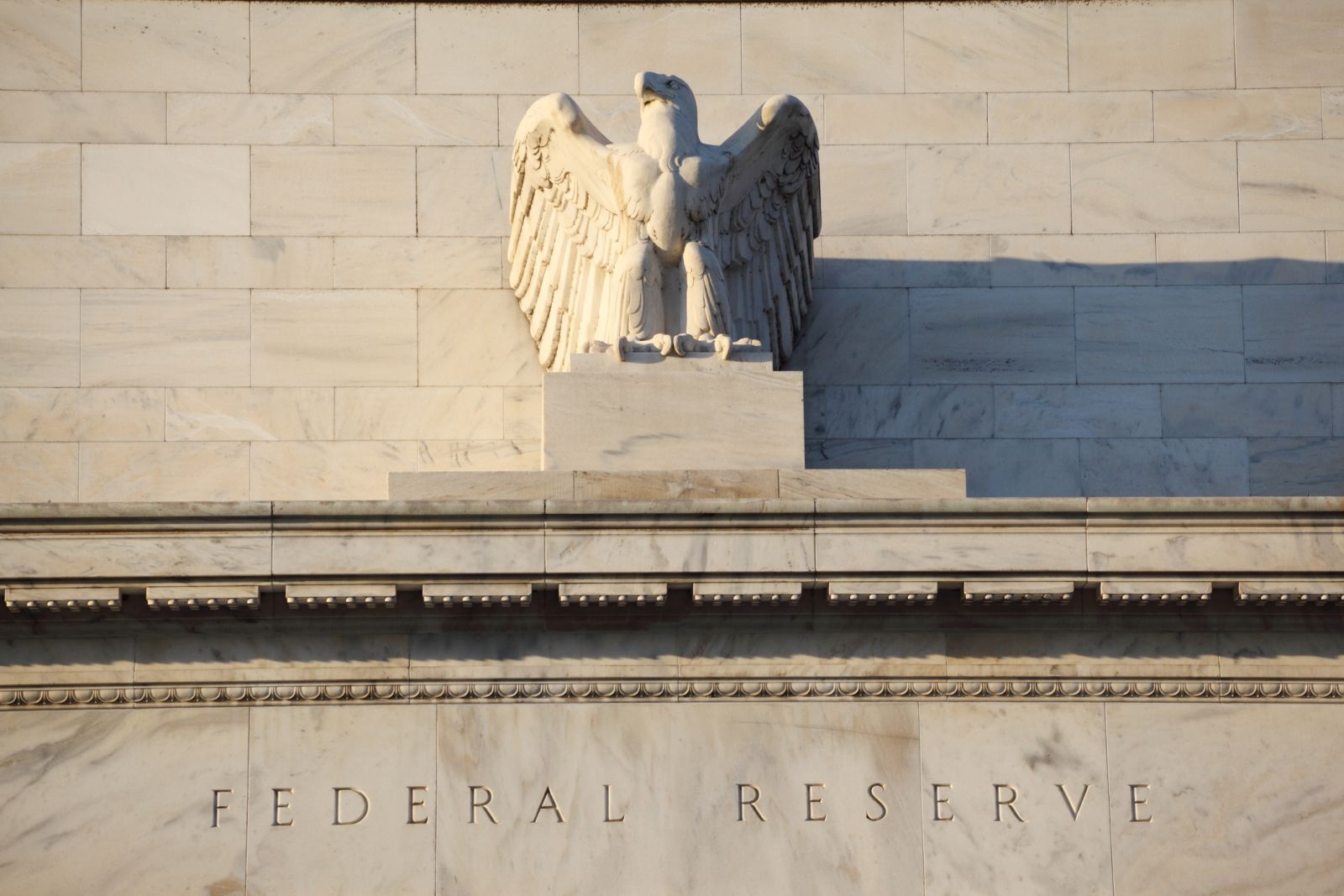
Today’s U.S. PCE deflator report eased, which was in line with market expectations. Nevertheless, the decline in the deflator was dovish for Fed policy since the PCE deflator is the Fed’s preferred inflation measure.
The Nov U.S. PCE deflator eased to +0.1% m/m and +5.5% y/y from Oct’s revised +0.4% m/m and +6.1% y/y and was in line with market expectations.
Meanwhile, the Nov core PCE deflator (ex food and energy) of +0.2% m/m was in line with market expectations and was down slightly from Oct’s revised +0.3% m/m. On a year-on-year basis, the Nov core deflator eased to +4.7% y/y from Oct’s +5.0% but was slightly above expectations of +4.6%.
The November PCE deflator of +5.5% y/y and core deflator of +4.7% are both still far above the Fed’s inflation target of +2% but were down significantly from the 40-year highs of +7.0% y/y and +5.4%, respectively, that were posted earlier this year.
Also, the deceleration in inflation pressures seen over the last three months has been notable. The deflator has risen by an annualized rate over the last three months (Sep-Nov) by just +3.3% and the core deflator by +3.6%. Clearly, inflation pressures are easing from the 3-month annualized deflator peak rates of +8.6% and +6.3%, respectively, seen earlier this year.
Aside from the hard inflation statistics, there is also good news regarding inflation expectations. The markets clearly believe the Fed will be successful in bringing inflation back down to its long-term target.
Specifically, the current 10-year breakeven inflation expectations rate of 2.21% is just mildly above the Fed’s 2% inflation target, illustrating that the markets believe that inflation will average just over the Fed’s target over the next 10 years. The current breakeven rate of 2.21% is just above September’s 1-3/4 year low of 2.10% and is down sharply from June’s record peak of 3.08%. The breakeven rate measures the difference between the nominal 10-year T-note yield and the 10-year inflation-protected TIPS yield.
Consumers also seem to be getting the message that inflation is destined to ease. The University of Michigan’s consumer year-ahead inflation survey measure in today’s report fell to +4.4%, the lowest level since June 2021 and down sharply from the peak of +5.4% seen this past spring.
The long-term average for year-ahead consumer inflation expectations is about +3%, illustrating that consumers consistently believe that inflation will be higher than it turns out to be. In any case, lower consumer inflation expectations are particularly important since that reduces the clamor from employees for higher wages to cover lost purchasing power, thus reducing the chances for a macroeconomic wage-price spiral.
More Interest Rate News from Barchart
- Stocks Stabilize after Positive U.S. Inflation News
- Stocks Fall Sharply on Tech Weakness and Hawkish Economic News
- Stocks Slide on Chip Stocks and Hawkish Economic News
- CarMax (KMX) May Be a Surprising Bet for Bullish Contrarians
On the date of publication, Rich Asplund did not have (either directly or indirectly) positions in any of the securities mentioned in this article. All information and data in this article is solely for informational purposes.

/Micron%20Technology%20Inc_%20logo%20on%20building-by%20vzphotos%20vis%20iStock.jpg)


/People%20shopping%20at%20a%20Walmart%20store%20by%20Photography%20via%20Shutterstock.jpg)
