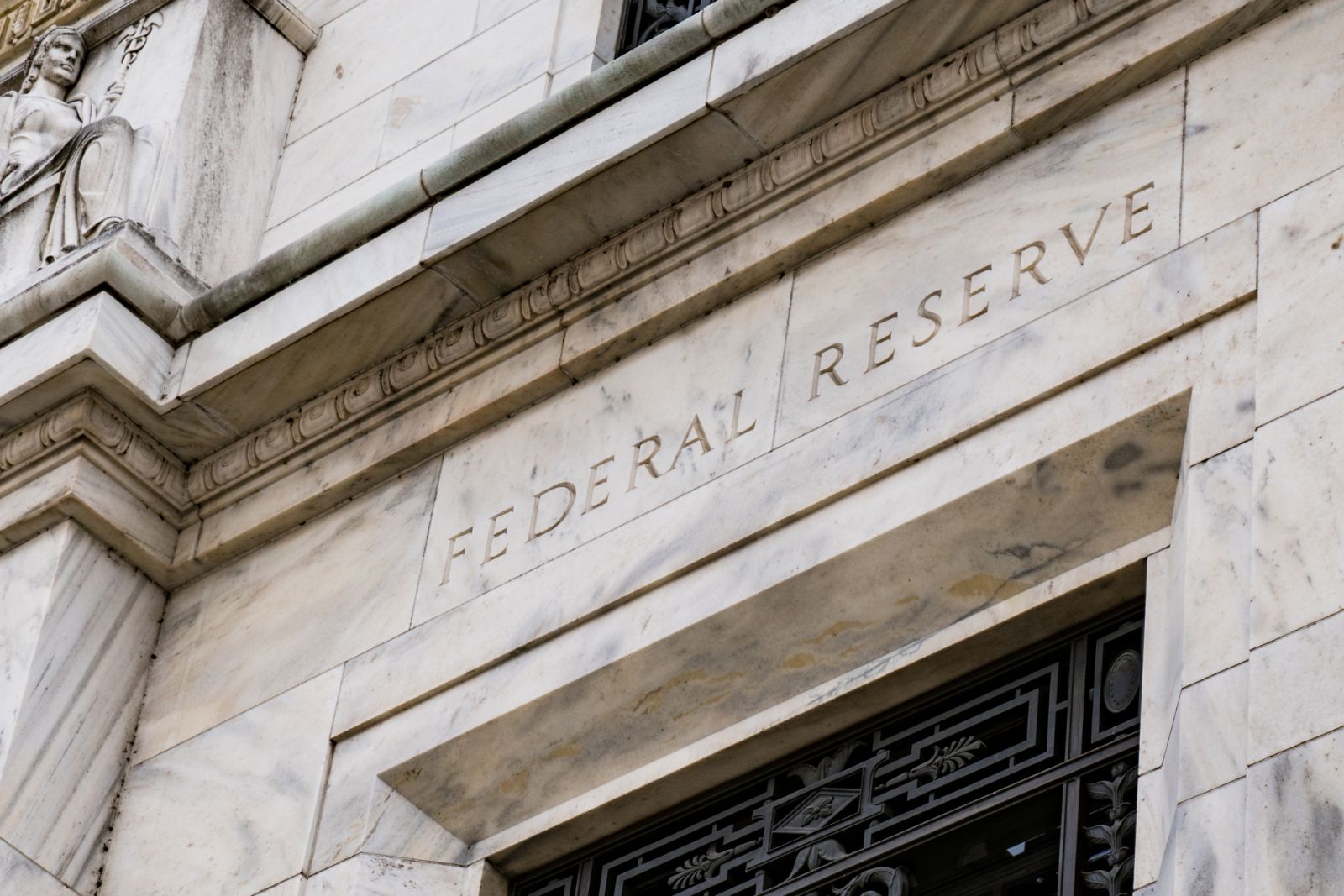
Wall Street strategists are divided over the impact of weaker economic data on Fed policy and what it will mean for equity prices. Morgan Stanley said it is too early to expect the Fed to stop raising interest rates even as fears of a recession grow. By contrast, JPMorgan Chase believes that inflation has peaked and that the Fed will pivot to a more neutral policy that will boost the stock in the second half of this year.
Morgan Stanley predicts that sticky inflation will keep the Federal Reserve hawkish for longer. Morgan Stanley said that during the past four rate hike cycles, the Fed stopped tightening monetary policy before the start of an economic downturn, sparking a bullish signal for stocks. However, the current high level of inflation means that the Fed will probably still be tightening policy if and when a recession begins.
Conversely, JPMorgan Chase said today that slowing momentum in economic activity and softer labor markets could open the doors to a more balanced Fed policy, leading to a peak in the U.S. dollar and inflation. Also, Generali Investments said they expect the pace of Fed interest rate hikes to slow after this week’s FOMC meeting, where the Fed is expected to raise the fed funds target range by 75 bp.
Meanwhile, concern is mounting that the Fed could already be too late in its attempt to slow inflation and avoid a U.S. recession. The latest MLIV Pulse survey released today showed that 60% of 1,343 respondents said there’s a low or zero probability of the Fed curbing consumer price pressures without causing an economic downturn.
Morgan Stanley, which correctly predicted this year’s selloff in stocks, said that even though inflation could have peaked “from a rate of change standpoint,” the impact on consumer demand won’t “easily disappear even if inflation declines sharply because prices are already out of reach in areas of the economy that are critical for the cycle to extend.” Morgan Stanley also said that earnings estimates for S&P 500 firms are still too high and that Q2 is likely to be the first of “several disappointing quarters before estimates finally trough.”
More Stock Market News from Barchart

/AI%20(artificial%20intelligence)/Ai%20chip%20by%20Quality%20Stock%20Arts%20via%20Shutterstock.jpg)

/A%20Palantir%20office%20building%20in%20Tokyo_%20Image%20by%20Hiroshi-Mori-Stock%20via%20Shutterstock_.jpg)