
Howdy market watchers!
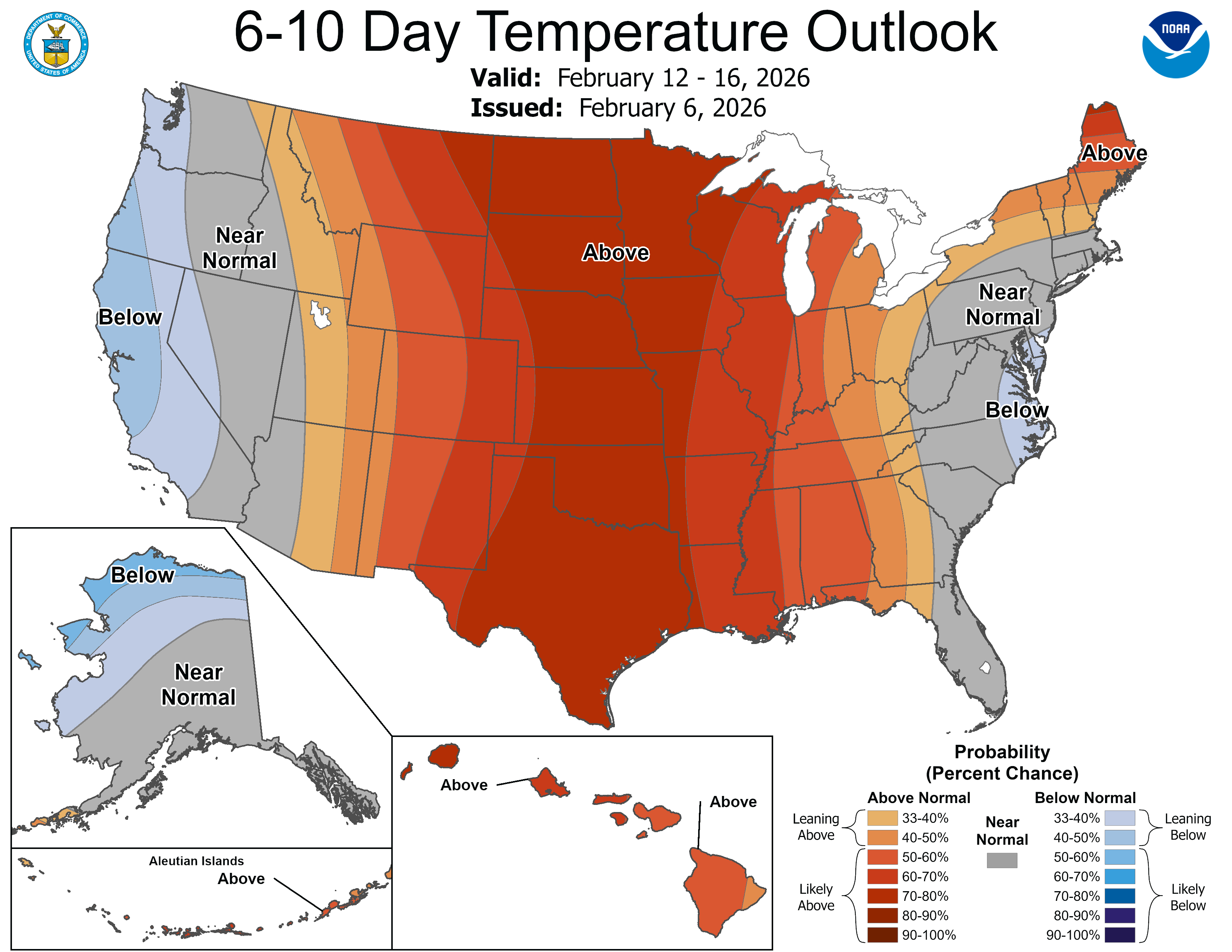
February has arrived along with much milder weather from a frigid end of last month. A much warmer outlook over the next two weeks, especially for the middle of the country, along with re-emerging drought, has seen some risk premium return across ag commodities.
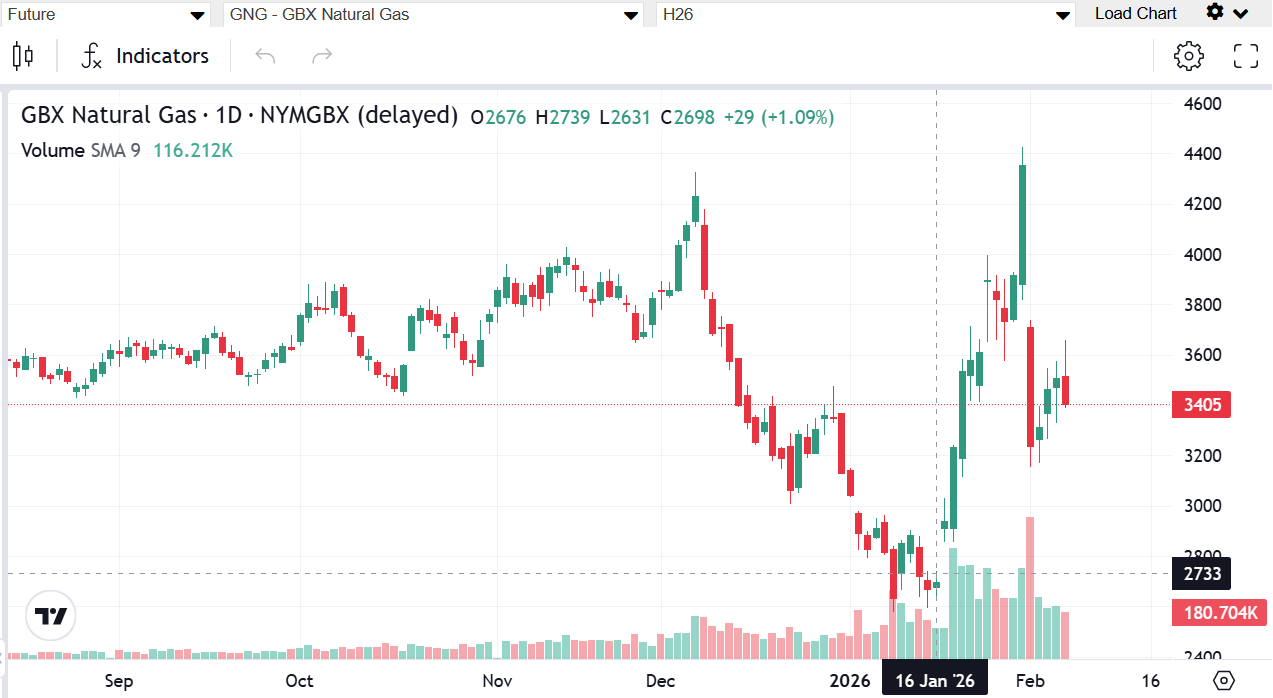
The natural gas market has been particularly volatile with a much lower open at the beginning of the week while finishing with strength into the end of the week. What is beginning to emerge with all the talk of much greater demand from exports and AI data centers is that supply may very well be able to keep up and then some. That can be a slippery slope for producers and investors, evidenced by the backwardation of natural gas futures where contracts in future years are lower than current, excluding winter months. US LNG exports are an important demand addition for domestic producers as well as investors. Note there is a chart gap down at $2.73, well below current trading levels.
The Trump Administration has made another trade deal this time with India announced this week that has positive implications for several sectors including energy and agriculture. India is also said to have agreed to cease imports of Russian oil in an attempt for President Trump to isolate President Putin and his funding for the continued blundering of Ukraine.
There is an active global chess game taking place at the moment with Iran only a few moves away from a fate of check mate. Talks between the US and Iranian leadership are on again, off again and while more diplomacy is being attempted, I expect more escalation before there is any conclusion. This will likely keep risk premium in the crude oil markets that may support agriculture commodities as well.
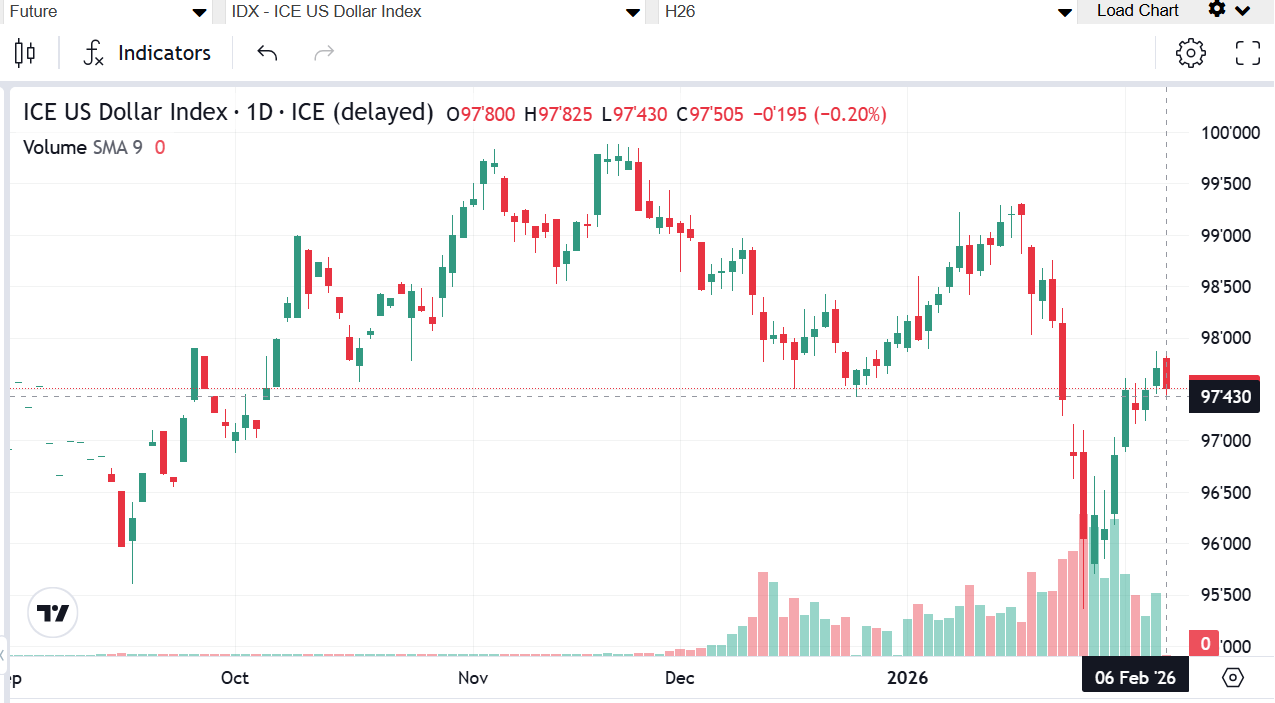
However, perhaps the biggest boost to agriculture commodities this week was some relief from a surging US dollar that finally returned on Friday. The upward reversal of the US dollar that began on January 28th and spiked on January 30th with the nomination of Kevin Warsh as the next Federal Reserve Chairman collapsed commodities led by the decimation of precious metals.
This past week has been dominated by continued choppiness in the metals that spilled over into a selloff in tech stocks that finally found some footing on Friday allowing investors to breathe easier just ahead of the weekend. In fact, Friday was a day of records with the Dow Jones crossing and closing above the 50,000 mark! Can you believe that just two years ago, the Dow was around 35,000!? Incredible.
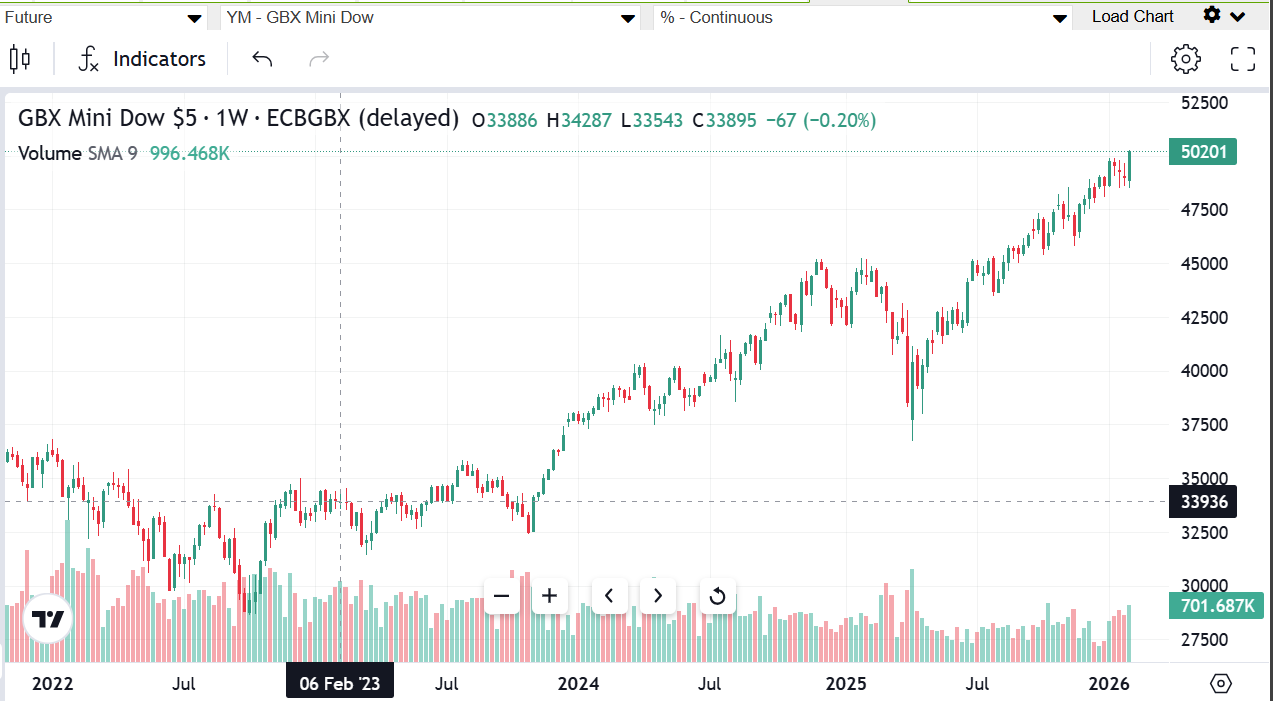
With this psychological level now being reached, questions emerge as to where to from here with renewed focus on the economy, inflation and strength of the labor market. Speaking of, we were expecting the all-important January jobs report on Friday that was delayed until Wednesday, February 11th due to this week’s partial government shutdown. These are new heights in the market with bulls that must continue to be fed with bullish news, which makes traders more sensitive to news headline developments.
Having said that, it has been difficult to find any headlines to phase this market, so far. President Trump is conscious of the stock market’s performance, and we will just leave it at that. The race for Mid-Term elections is just getting started and so expect to see more positioning from the Administration and political parties soon to gain favor among voters.
US biofuel policy is evolving in favor of domestic agriculture, which is greatly needed amid abundant stocks and complex export markets. The soybean market surged this week after President Trump had an impromptu call with China’s President Xi after which Trump posted that Beijing was in to buy another 8 million metric tons “this season” from the US after the earlier commitment of 12 million metric tons, which is unclear if it has been fulfilled due to reported sales to “unknown”. In fact, it was the highest volume of soybean futures ever traded in the history of the contract.
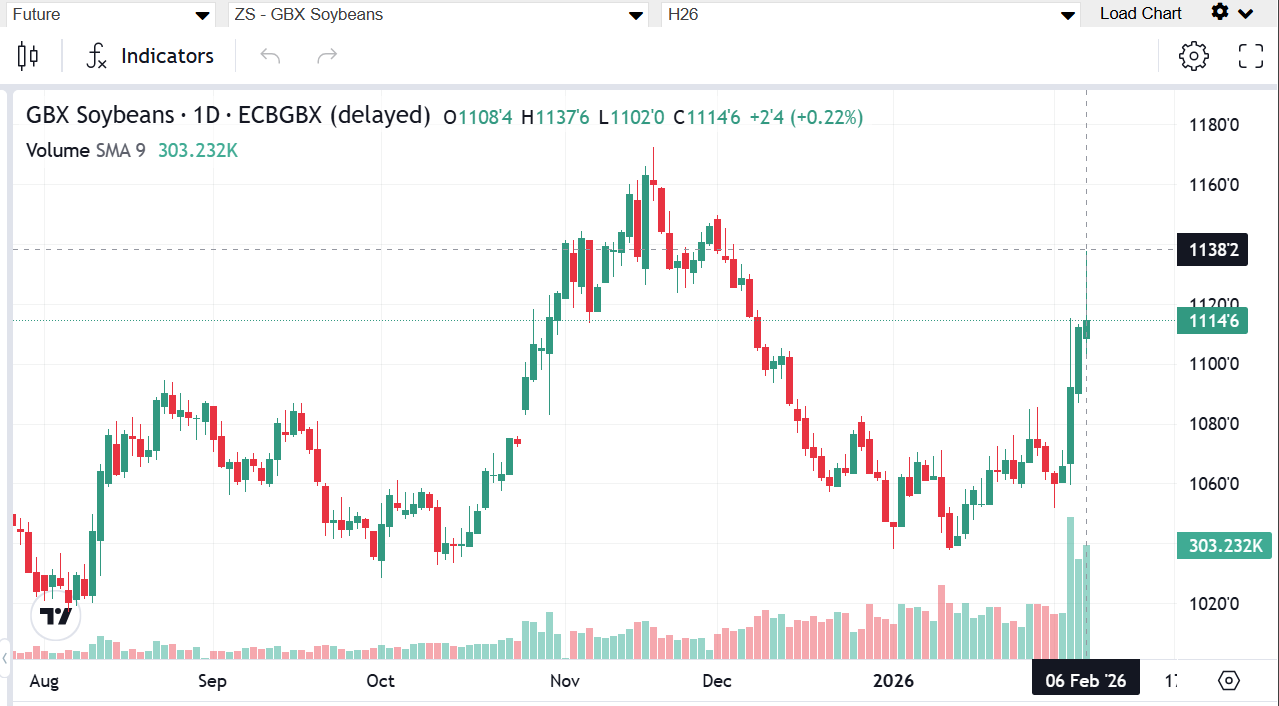
It is uncommon for soybean futures to surge during South American harvest unless there is a major issue. While Brazilian soybean harvest is slightly behind average, crop estimates continue increasing. Bottomline, there seems to be no shortage of beans and yet, soybean futures have rallied. Despite closing off the highs on Friday, I could see another rally emerge next week if the US dollar continues retreating.
Brazil’s first crop corn harvest is also modestly behind average as is the safrinha, 2nd crop corn planting, but these issues are far from any major concern at this stage.
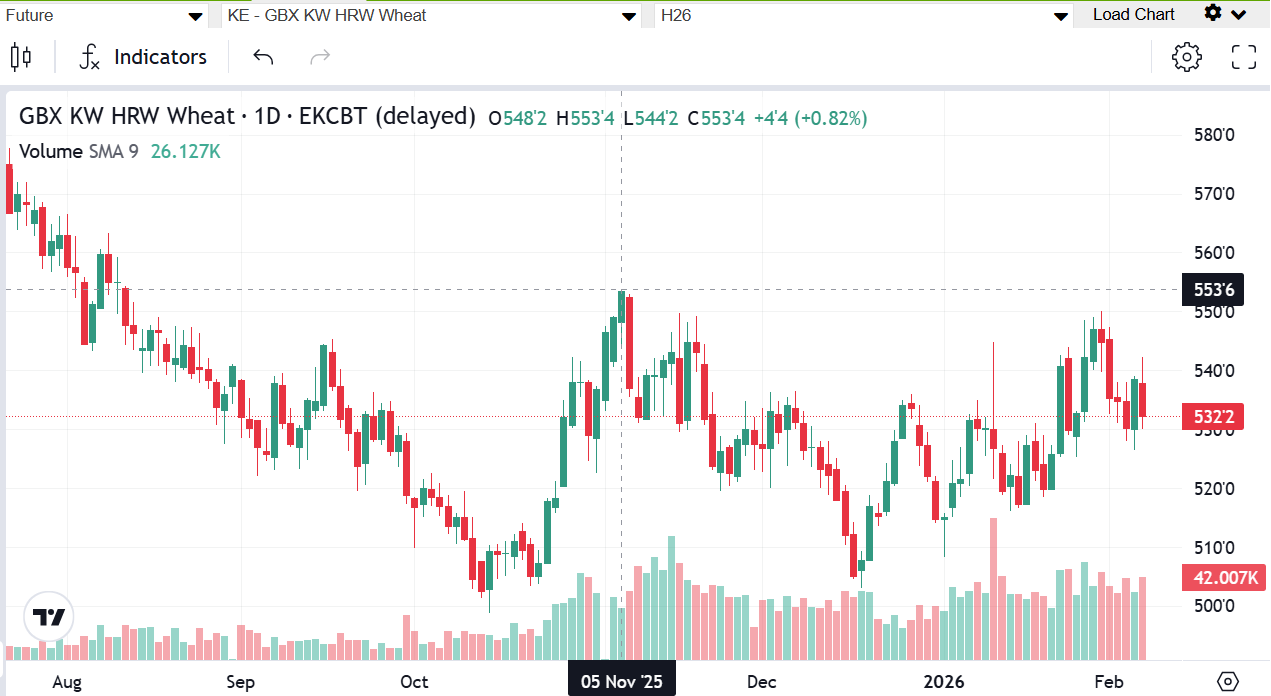
Despite Friday closing well off the highs of the day, we did make higher highs and held higher lows. I think we had a bout of weekend profit taking after the fresh rallies, but I don’t think they are over. Now, I would be careful with wheat, in particular, as despite drought conditions and dry forecast ahead for Oklahoma and Western Kansas, conditions are decent and the recent freeze in the Black Sea region was said to be less impacted due to snow cover.
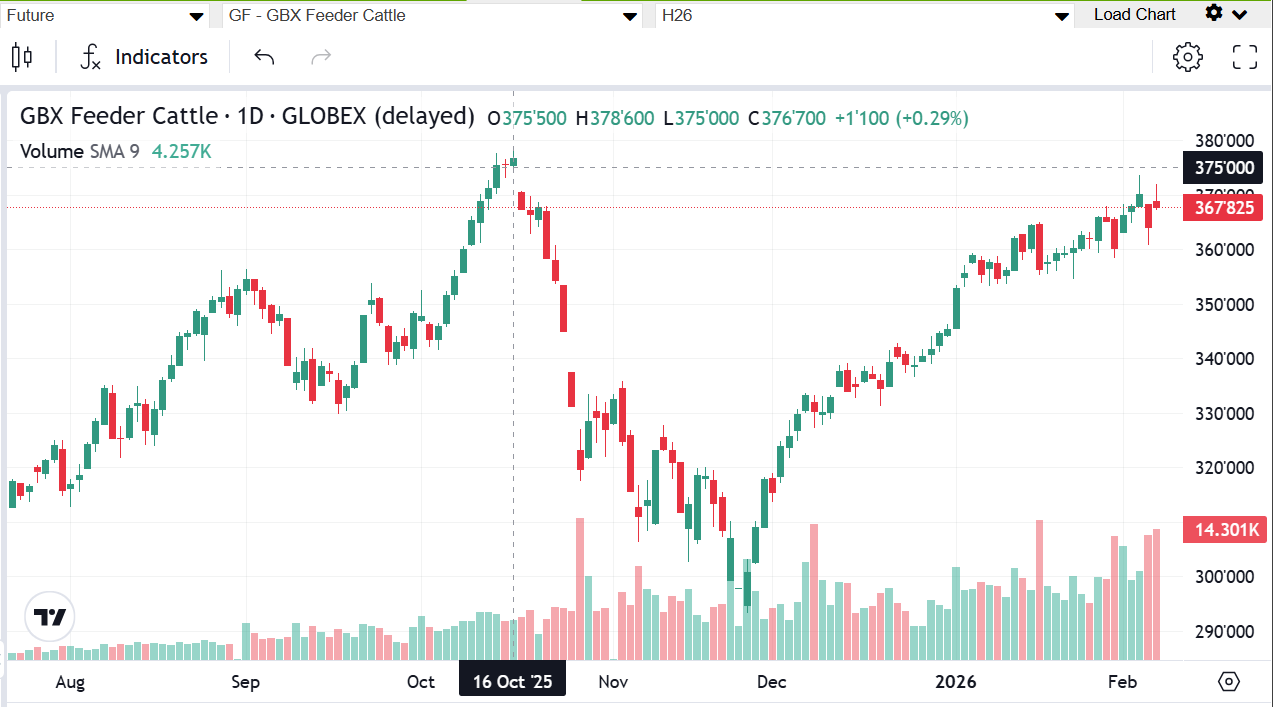
The cattle complex continued to steadily chop higher this week, but yet to fill the last chart gap from October 16th. Markets reacted positively to start the week after last Friday’s bi-annual cattle inventory report. Fed cattle cash trade developed Thursday with notable strength on Friday topping out at $245 in Texas, Kansas and $244 in Nebraska.
The selloff Thursday was precipitated by news on Wednesday after the close that the labor union in JBS’s Greeley, Colorado, slaughter plant had voted to move forward with a strike. However, that news simmered in Friday’s trade with strong fed cattle trade dominating headlines. However, the highest trade of the week occurred Wednesday. Colorado union workers at JBS meat processing plant in Greeley vote to strike - CBS Colorado
The news of the first animal confirmed new world screw worm in the United States emerged this week in a live horse imported from Argentina. Now, that doesn’t have implications for the cattle herd, but was just another step closer. Texas Governor Abbott has declared statewide disaster assistance to release more funds in combatting the threat of NWSW. Governor Greg Abbott issues disaster declaration due to New World Screwworm outbreak
The biggest news of the week in cattle was President Trump’s announcement after the cattle close on Friday that the US would be quadrupling beef imports from Argentina through an Executive Order. The affordability push for beef is back ahead of the election cycle and let’s hope we avoid a disaster on Monday’s open in the cattle market from this news. Remember, these types of announcements are what started the $80 per cwt selloff last fall. Be aware and get protection in place if this starts to catch steam on the downside. Link: Trump boosts Argentina beef imports in affordability push
Sidwell Strategies is the one-stop shop to protect cattle with futures, puts, LRP or a combination of all, which is probably the best strategy overall. If you’re ready to trade commodity markets, give me a call at (580) 232-2272 or stop by my office to get your account set up and discuss risk management and marketing solutions to pursue your objectives. Self-trading accounts are also available. It is never too late to start and there is no operation too small to get a risk management and marketing plan in place.
Wishing everyone a successful trading week! Let us know if you'd like to join our daily market price and commentary text messages to stay informed!
Brady Sidwell is a Series 3 Licensed Commodity Futures Broker and Principal of Sidwell Strategies. He can be reached at (580) 232-2272 or at brady@sidwellstrategies.com. Futures and Options trading involves the risk of loss and may not be suitable for all investors. Review full disclaimer at https://www.sidwellstrategies.com/fccp-disclaimer-21951.

/Nvidia%20logo%20and%20sign%20on%20headquarters%20by%20Michael%20Vi%20via%20Shutterstock.jpg)


/Intel%20Corp_%20Santa%20Clara%20campus-by%20jejim%20via%20Shutterstock.jpg)