



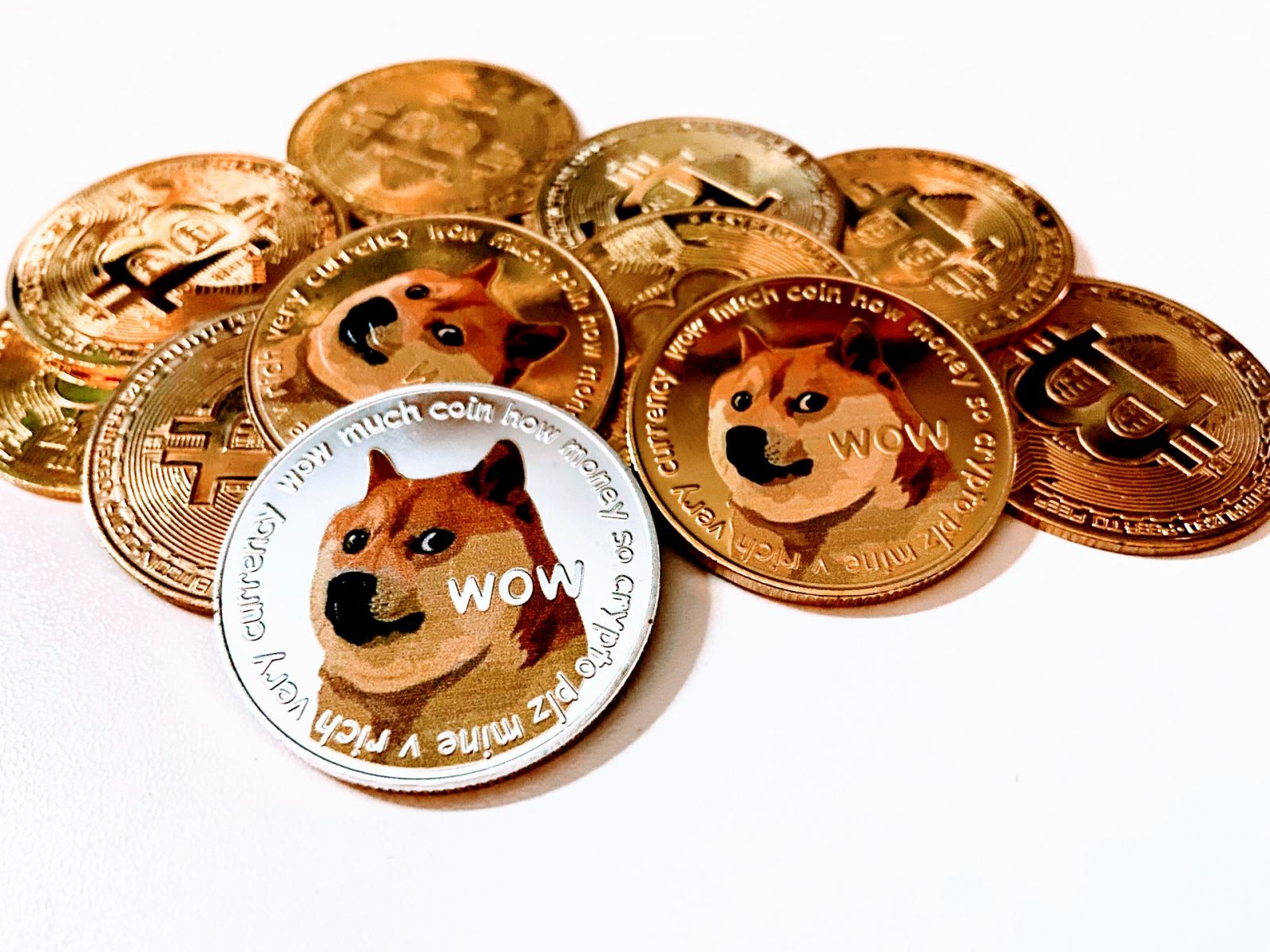
- While cryptocurrencies represent a groundbreaking innovation, the idea of decentralization can go further with truly unique investment manifestations, such as the non-fungible token or NFT.
- Since their introduction, NFTs have achieved meteoric awareness and profitability but their time may soon be coming to an end.
- Though bashing an investment class is an unpopular subject given the rise of toxic positivity, NFTs represent a market subsegment that you should consider avoiding.
It doesn’t seem like it at this moment given the extreme volatility that the cryptocurrency sector has suffered. But the invention of the blockchain and its subsequent coins and tokens represent one of the most profound developments in the broader capital markets. For the first time, decentralized currencies were distributed across the globe, thereby creating a self-sustaining ecosystem away from the clutches of big central banks.
Despite the extraordinary distinction of cryptocurrencies, they aren’t entirely unique -- not within the context of blockchain-based assets at least. Put another way, a Solana (SOL-USD) coin is like any other SOL unit, meaning that this digital asset is fungible, or replaceable with another identical unit. This interchangeability, though, is a double-edged sword, corralling bullish sentiment during the good times while facilitating severe downside during the bad.
How so? Take Solana again as an example. Throughout much of 2020, SOL was trading hands at less than a dollar a pop. But as people got wind of the opportunity, speculators everywhere piled into Solana, sending its price tag into triple digits. But during panicky cycles such as now, the same volume that skyrocketed SOL can now unfortunately function as crushing dead weight.
In theory, non-fungible tokens (NFTs) can ameliorate some of the extremes of free market forces due to their exclusive individuality. However, reality has painted a much different picture.
The Allure of the NFT
Let’s back up for a moment. If most cryptos are fungible or interchangeable with like-branded assets, then the power of the NFT lies in its lack of interchangeability. In other words, NFTs by logical deduction are truly unique. Now, there might be NFTs that are limited in number, say a collection of 50 tokens. Still, that’s a small tally compared to the total volume of crypto investors.
In many ways, the allure of the NFT is akin to the premiums associated with fine-art investments. Obviously, a core reason why a painting from Claude Monet commands a hefty price tag is its uniqueness -- they aren’t making any more Monets. Own a desired work of art and you are essentially its exclusive stakeholder.
Such exclusivity may carry resilience, even during economic recessions. As the Chartered Alternative Investment Analyst (CAIA) Association pointed out, some limited evidence suggests that certain paintings engender demand stability. Under the same logic, NFTs -- which tie exclusive (or near-exclusive) ownership rights to digital art and content -- could offer similar resilience during rough times.
Admittedly, the initial rally of several high-profile NFTs demonstrated strong support for such exclusivity. However, as the market matured, this asset class began plummeting in engagement, thus suffering from the same volatility (if not worse) as mainstream fungible cryptos.
A Harsh Reality Check
As NBC News recently reported, the number of active traders in the NFT ecosystem plunged from nearly a million accounts at the beginning of 2022 to about 491,000. If that wasn’t bad enough, the supply of NFTs increased dramatically as participants sought to strike while the iron was hot. Per data from The Wall Street Journal, the number of these tokens increased to approximately five for every one buyer.
Based on the tried-and-true principles of Economics 101, rising supply and decreasing demand combined to form a devastating headwind for NFTs. Recently, those overly enthusiastic buyers who purchased at the peak of the market are struggling to sell their tokens for anywhere close to their initial asking price.
Exacerbating the entire situation is that the core demographic of NFT buyers -- namely, young folks -- tend to invest with an all-or-nothing attitude. Last year, The Guardian reported that several young traders lured by the fantasies of accruing enormous wealth quickly took bold risks in cryptos and speculative stocks, with some sinking their life savings into these ventures.
During decisively bullish cycles, such outlandish risks can yield lifechanging profitability. However, when circumstances go sour, gamblers can absorb catastrophic losses. The problem is, during a comprehensive downpour like we’re seeing now, only limited opportunities exist to make up for prior losses. Thus, many stakeholders could end up holding deflating assets for far longer than they should.
Avoid Like the Plague
Peruse the crypto-related forums and you’ll soon realize that toxic positivity is the name of the game. Concepts such as “diamond hands” encourage those suffering steep losses in their portfolios to “hold the line” under the notion that eventually, their positions will rise in value.
Maybe they will, maybe they won’t. That’s the allure and the vagary of the capital markets.
However, with so many inexperienced investors dumping a significant amount of their wealth into speculative fare like NFTs, it’s very possible that they’re tapped out. If so, buying into the NFT market right now could yield severe losses due to a lack of reliable support.

/Advanced%20Micro%20Devices%20Inc_%20office%20sign-by%20Poetra_RH%20via%20Shutterstock.jpg)
/Alphabet%20(Google)%20Image%20by%20Markus%20Mainka%20via%20Shutterstock.jpg)

/Tesla%20Inc%20logo%20by-%20baileystock%20via%20iStock.jpg)