



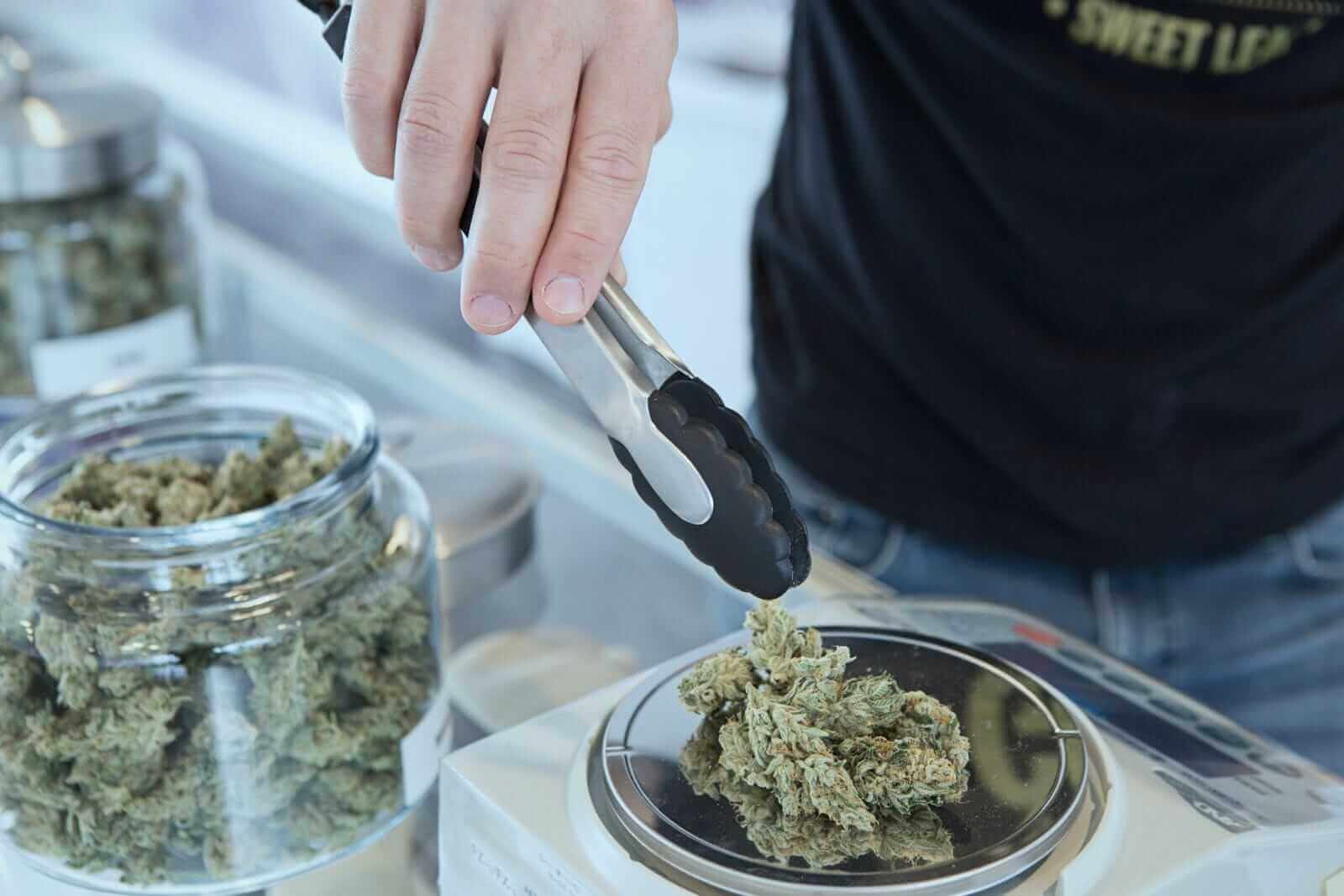
- Cynically, publicly traded cannabis companies offer an intriguing opportunity due to the collective rise in stress.
- However, the troubles of the moment (mainly driven by soaring inflation) incentivize the black market, which has always been a thorn in the side of the legal cannabis industry.
- Ironically, it’s the legalization initiative itself which has sparked a revival in illicitly sourced marijuana, posing significant challenges for investors.
While it’s not the most pleasant thought process, those who are willing to invest on cynicism may have a viable opportunity with publicly traded cannabis stocks. With global recession fears escalating from myriad factors such as China’s draconian zero-COVID-19 policy and Russia’s ongoing invasion of Ukraine, the collective stress level is surely approaching a multi-decade high. Under this scenario, increased cannabis consumption seems inevitable.
Although it’s an area of research that features robust debate, at least some evidence points to alcohol use rising during economic downturns. Interestingly, researchers at the University of Illinois at Chicago and the University of Chicago reported in 2017 that low levels of tetrahydrocannabinol (THC) -- the psychoactive compound of marijuana -- can cause stress reduction. Essentially, economic anxieties are expanding the total addressable market for firms like Tilray (TLRY), Canopy Growth (CGC) and Sundial Growers (SNDL).
Despite the cynically positive outlook for these and other marijuana stocks, many if not most sector names are suffering from sizable double-digit losses on a year-to-date basis. Unfortunately, due to the rapid decline of purchasing power of the U.S. dollar, consumers must cut an increasing proportion of discretionary purchases, saving their funds for core necessities.
However, cannabis stocks also have another obstacle that other industries don’t face nearly to the same extent: the allure of the black market.
Illegal Sourcing is a Major Headwind for Cannabis Stocks
On paper, proposals to legalize cannabis at the federal level appears to be a win-win solution. First, the Pew Research Center revealed that “Americans overwhelmingly say marijuana should be legal for recreational or medical use.” Politics being one of the most cynical arenas, candidates for public office could potentially accrue votes just for supporting cannabis legalization, a subject that has garnered tremendous popularity in recent years.
Second, on the other end of the equation, both federal and state government agencies can enjoy increased tax revenues. By legalizing marijuana, lawmakers would essentially convert a practically non-existent enterprise into a recognized (and taxable) one. Given that many states have budget shortfalls, facilitating the green light to the green stuff could help restore fiscal stability.
So far, the Agriculture Improvement Act of 2018 -- colloquially known as the farm bill -- has legalized hemp or cannabidiol, which are products that contain less than 0.3% THC content and are thereby non-psychoactive. However, Canada is the only North American country which has fully legalized cannabis; thus, most publicly traded “botanical” businesses originate there.
While the concept of legalization is promising, Rutgers Center of Alcohol & Substance Use Studies revealed that even in jurisdictions that have legalized full-strength marijuana, black-market transactions continue to thrive. And that was true before rising inflation.
Today, with cost-of-living expenses having gone out of control, the temptation to buy illegally sourced marijuana may be too great for many users. After all, law enforcement agencies have better things to do with their time than to hunt down botanical enthusiasts.
The Irony of Legalization
As mentioned above, the legalization argument attempted to speak logic to policymakers who were hesitant on the cannabis issue. In some ways, it dove into the concept of productive acquiescence. Since people are going to buy and use cannabis anyways, you might as well legalize it for taxation purposes.
It sounds so simple and effective in theory. But in reality, legalization may be a double-edged sword.
Earlier this year, Politico detailed the challenges that the state of Oregon has faced with its full legalization initiative. Supporters of the go-green movement argued that legalization would mitigate if not eliminate the black market. Instead, the black market is thriving. And present economic conditions make it unlikely that illicitly manufactured cannabis will shrivel against its legally sourced counterparts.
Per the Politico article, “Unlicensed growers aren’t paying any fees or taxes, and they can afford to keep their prices at least 20 percent lower than legal weed.” In other words, legalization is stymieing progress for those businesses who are doing things the right way. Protocols and regulations prevent companies from doing whatever they want. But in turn, this dynamic allows the unscrupulous to undercut legitimate cannabis players.
Again, law enforcement agencies have better things to do than chase illicit growers and users -- unless of course the problem is severe enough to warrant the expenditure of police resources. Otherwise, consumers of the black market are likely to get away with their illegal purchases.
Be Careful in the Marijuana Space
To be clear, it wouldn’t be accurate to suggest that most cannabis transactions occur in the black market. It’s quite possibly that a vast majority of each legal jurisdictions’ purchases are conducted legitimately. However, the black market represents a sizable portion of total transactions.
What’s particularly problematic for prospective investors of cannabis stocks is the potentially worsening status of the consumer economy. For many people, cannabis-based therapeutics represent a necessity. If inflation worsens, it’s reasonable to expect that many users will go to the black market, thus imposing a severe headwind on the green sector.

/Western%20Digital%20Corp_%20logo%20on%20sign-by%20360b%20via%20Shutterstock.jpg)
/PayPal%20Holdings%20Inc%20sign%20on%20building-%20by%20Sundry%20Photography%20via%20Shutterstock.jpg)
/Microsoft%20Corporation%20logo%20on%20sign-by%20Jean-Luc%20Ichard%20via%20iStock.jpg)

/Amazon%20-%20Image%20by%20bluestork%20via%20Shutterstock.jpg)