



This is sponsored content. Barchart is not endorsing the websites or products set forth below.
As more UK investors turn to digital platforms to manage their investments, choosing between mobile and desktop trading has become a key decision. The device you use can influence how quickly and accurately you make decisions, thereby affecting long-term success. Understanding the strengths and weaknesses of each device helps investors trade more effectively in today’s fast-paced market. For more information on this topic, InvestingGuide offers valuable guidance on how each device performs.
Which Trading Device Is Better?
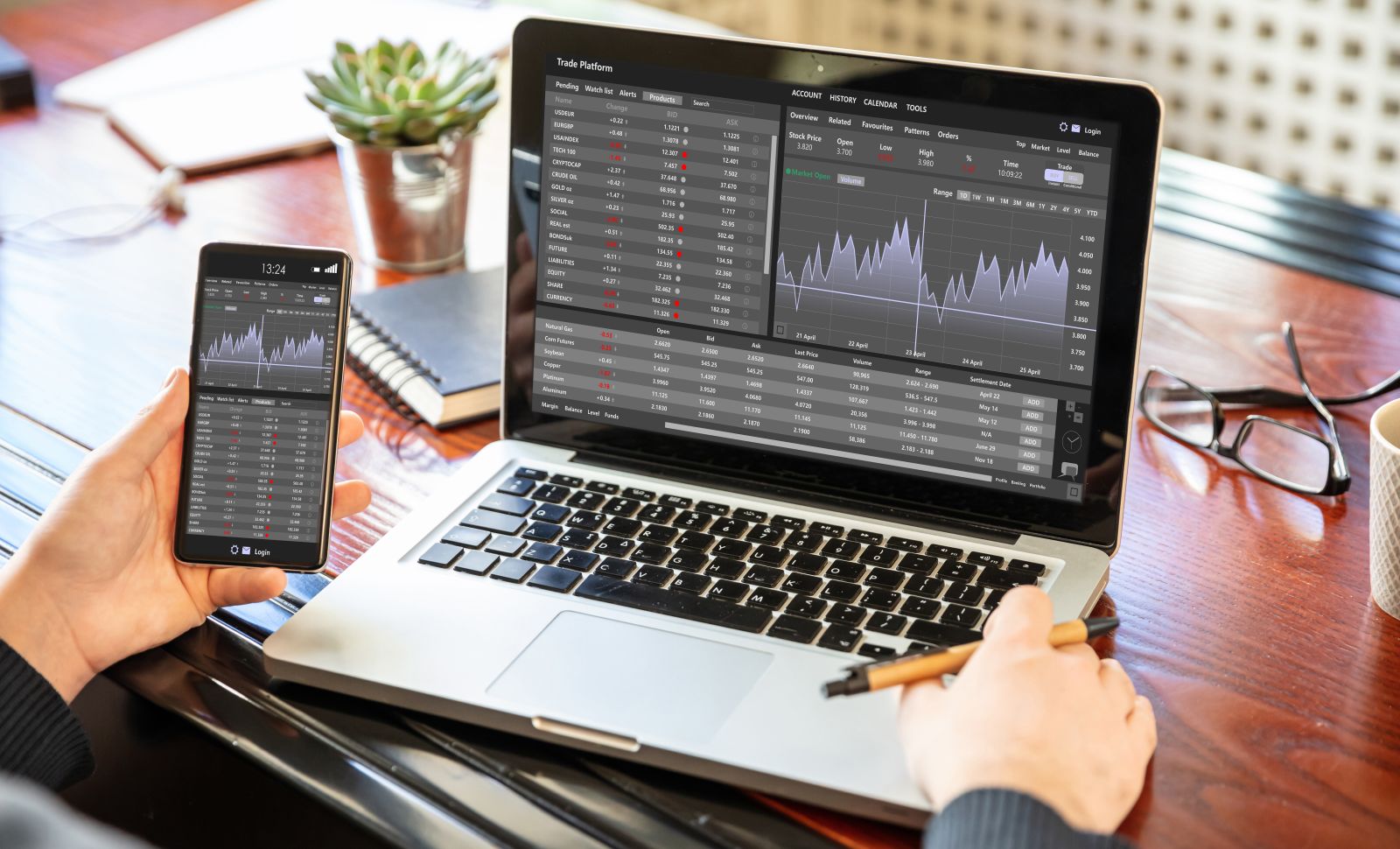
Desktop platforms are still the best choice for serious traders. They have better charting tools, larger screens for data, and support multiple windows. This makes it easier to analyse information. For example, traders can use tools like moving averages and see different timeframes at once, which is hard to do on smaller mobile screens.
Desktops also handle live data more quickly, which is important during busy market periods. However, while desktops offer more control and better performance, they don’t provide the same flexibility as mobile devices.
For example, platforms like Plus500US offer features that allow users to compare both mobile and desktop trading options. This makes it easier for investors to choose the best device based on their individual needs.
Is Mobile Trading Catching Up?
Yes, mobile trading apps have gotten much better. Now, they offer more than just buying and selling. Features like fingerprint logins, instant alerts, and AI tips make trading easier, especially for beginners. These tools help you act quickly when you're away from your computer.
However, mobile screens are smaller, making it harder to conduct a detailed analysis. It’s easy to misread prices or miss small chart details. Many experienced traders use mobile apps to track their investments, but prefer desktops for important trades that need more focus.
How Do Security and Regulation Compare?
Security is very important for mobile traders. Brokers regulated by the Financial Conduct Authority (FCA) make sure both mobile and desktop platforms are safe, using two-factor authentication and encrypted connections. However, desktops usually have better security because they connect to private networks and have stronger antivirus protection.
No matter which device you use, it’s up to investors to protect their own accounts. Constantly update your software, use strong passwords, and be careful of phishing scams to keep your account safe.
Which Device Is Best for Different Investors?
| Investor Type | Best Device | Reason |
| Active day trader | Desktop | Better charts, multi-monitor setups, and quicker execution |
| Long-term investor | Mobile or Desktop | Easy portfolio tracking and rebalancing |
| Beginner | Mobile | Simple interfaces and helpful tools |
| Professional analyst | Desktop | In-depth research and detailed analysis |
Note that each type of investor has different needs. The key is not to pick one device over the other, but to use both in ways that suit their strengths. For example, use mobile for flexibility and desktops for detailed analysis and executing trades.
Conclusion
The most successful investors know how to use both devices. They use mobile for speed and flexibility, and desktops for deeper analysis.
In a market where timing is everything, being able to switch between devices as needed can be a huge advantage. Whether you are at your desk or on the go, knowing when to use each device is a valuable skill for any trader.
This article contains sponsored content. Barchart has not reviewed, approved, or endorsed the content, and may receive compensation for placement of the content on this site. For more information please view the Barchart Disclosure Policy here.


/Micron%20Technology%20Inc_%20logo%20on%20building-by%20vzphotos%20vis%20iStock.jpg)
/Bundle%20of%20optical%20fiber%20cables%20with%20lights%20by%20volff%20via%20Adobe%20Stock.jpeg)