



FreightWaves Classics is sponsored by Sutton Transport, an LTL leader in the Midwest for more than 40 years. Sutton Transport proudly services Illinois, Minnesota, Missouri and Wisconsin. Request a quote here.
The opening day of the First National Aeronautical Safety Conference took place 94 years ago yesterday – October 4, 1928. The conference was held in New York City and was sponsored by the Daniel Guggenheim Fund for the Promotion of Aeronautics.

The Guggenheim Fund was established on June 16, 1926 by philanthropist Daniel Guggenheim and his son Harry F. Guggenheim. Its purpose was to focus on and promote efforts in the United States and worldwide to more “substantively address ongoing flight safety issues for airplanes.”
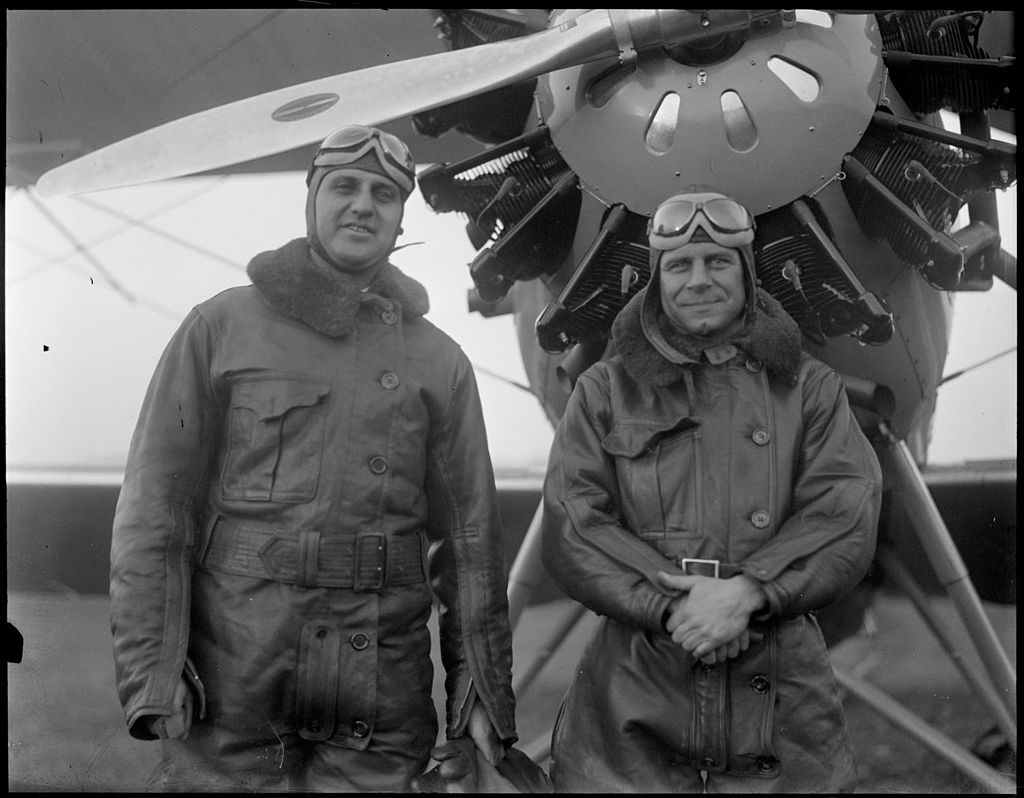
Between 1926 and 1930 the fund disbursed $3 million, making grants that established schools or research centers at the California Institute of Technology, the Georgia Institute of Technology, Harvard University, the Massachusetts Institute of Technology, New York University, Northwestern University, Stanford University, Syracuse University, the University of Akron, the University of Michigan, and the University of Washington.
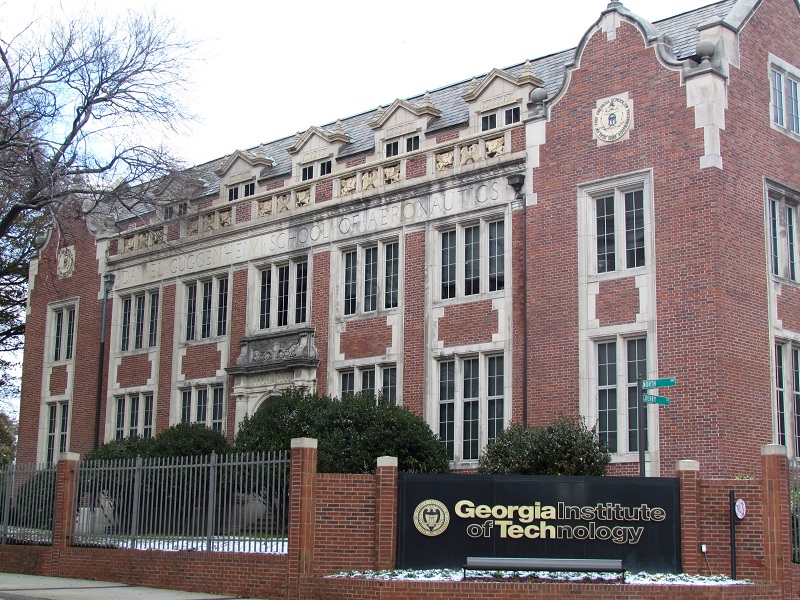
Harry F. Guggenheim, the president of the fund, prepared a statement to outline the purpose of the conference, and it was widely published on the first day of the conference. “Today we are holding in New York the first national aeronautic safety conference in the history of the country,” Guggenheim stated. “In a sense this conference is a celebration of the astonishing accomplishments that have been made in aeronautical safety. More than that, however, it is a consultation of the methods of solving the few still-unsolved problems which concern the rise of the airplane under unusual conditions, such as fog-flying or flying in storms.”
Charles A. Lindbergh, who made aviation history on May 20-21, 1927 when he flew from New York to near Paris completing the first solo, non-stop, transatlantic flight, was the conference’s keynote speaker. His conference remarks were entitled “Requirements and Training for a Commercial Pilot.”
Other featured speakers at the two-day conference included Charles L. Lawrence, president of the Wright Aeronautical Corporation; George J. Mead, chief engineer for the Pratt & Whitney Aircraft Company; William P. McCracken, Jr., assistant secretary of commerce for aeronautics at the U.S. Department of Commerce; and F. Trubee Davison, assistant secretary of war for air at the U.S. Department of War.
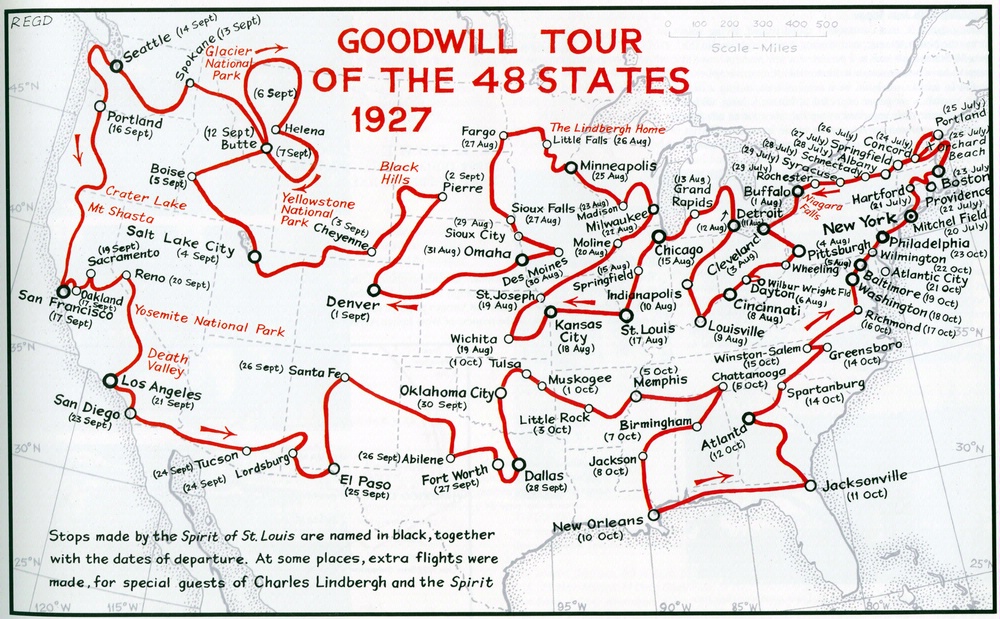
(Image: airandspace.si.edu)
National tour
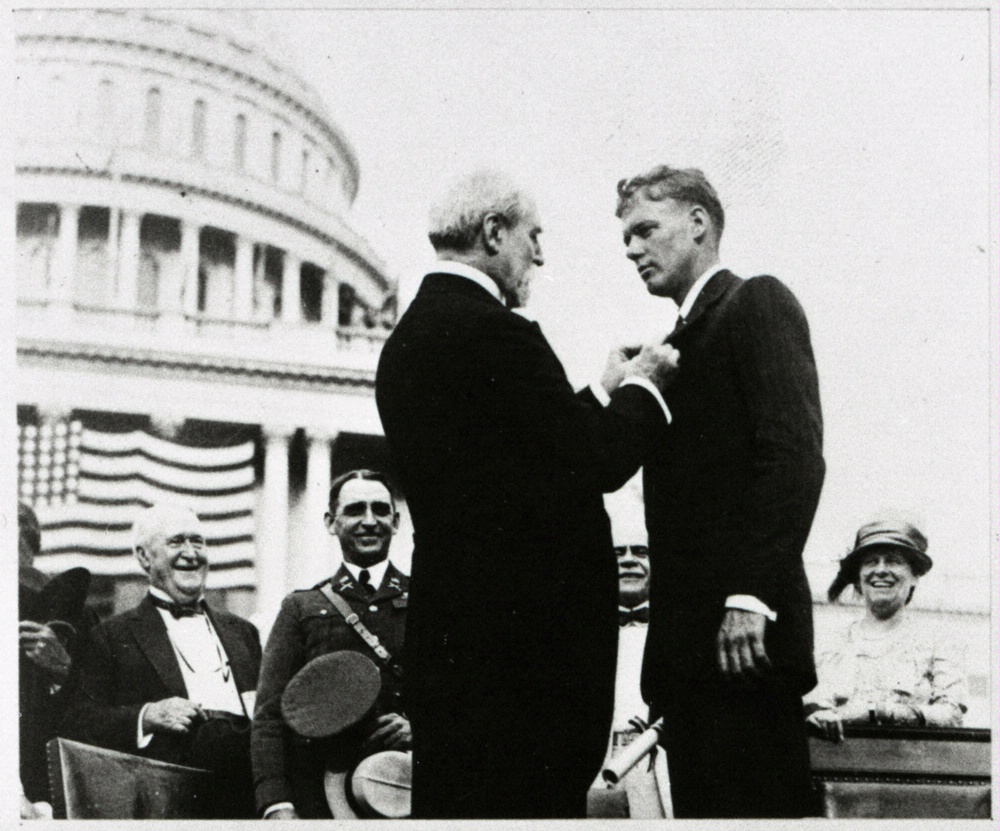
Beginning on July 20, 1927, and lasting 95 days, the Daniel Guggenheim Fund for the Promotion of Aeronautics also sponsored a 22,350-mile flying tour of the United States by Lindbergh and his airplane, the Spirit of St. Louis. The Guggenheim Tour began at Mitchel Field on Long Island and included visits to 82 cities in all 48 states. At each stop, he gave a short speech about aviation’s potential as a commercial enterprise.
A second foundation finances rocketry
In addition to the Daniel Guggenheim Fund for the Promotion of Aeronautics, the Daniel and Florence Guggenheim Foundation was founded in 1924 by Florence and Daniel Guggenheim.
Between 1930 and 1941 the foundation financed Robert H. Goddard, “an American engineer, professor, physicist, and inventor who is credited with creating and building the world’s first liquid-fueled rocket.”
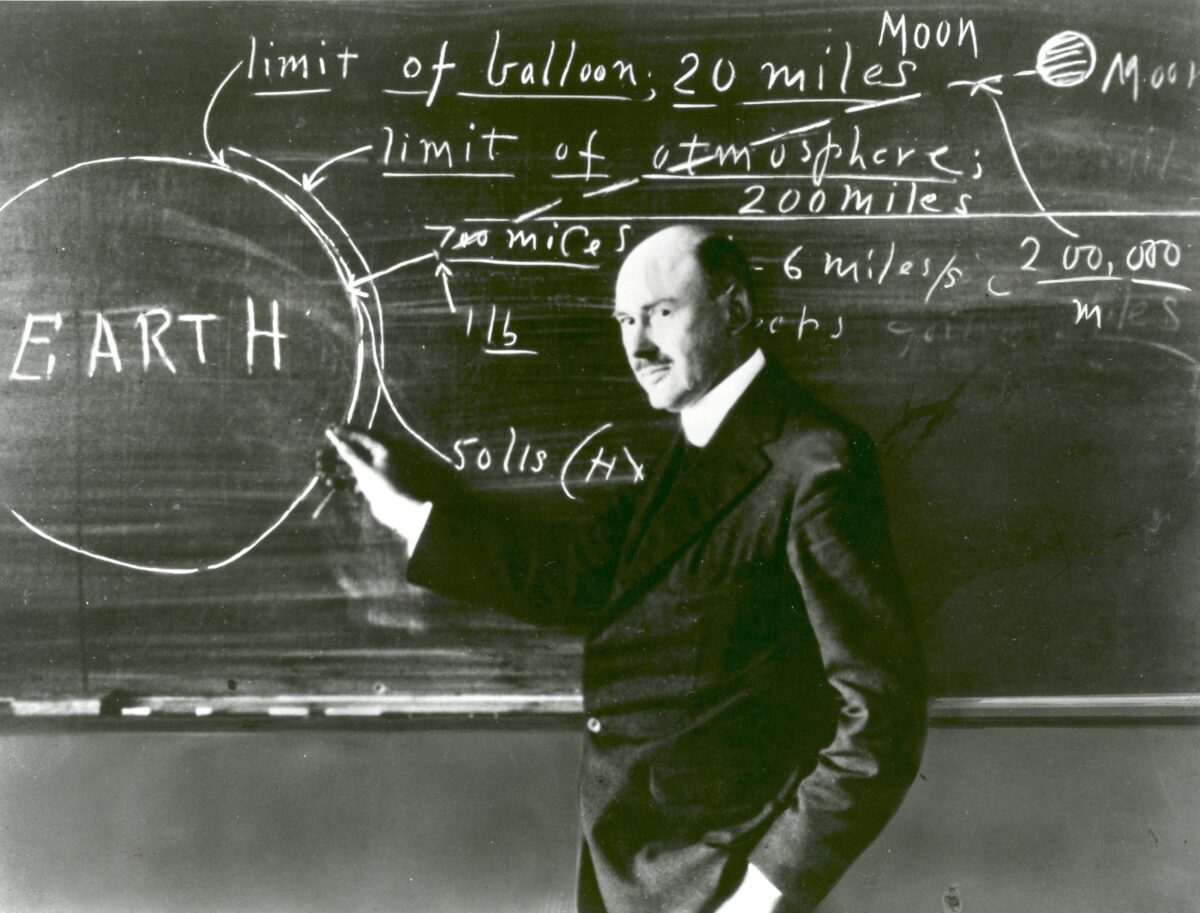
Goddard successfully launched a rocket on March 16, 1926, which ushered in the era of space flight and innovation (and this occurred before Lindbergh’s flight across the Atlantic). With his team Goddard launched 34 rockets between 1926 and 1941, achieving altitudes as high as 1.6 miles and speeds as fast as 550 mph.
Goddard’s work anticipated many of the later developments that would make space flight possible. Although his work in the field was revolutionary, Goddard received little public support, moral or monetary, for his research and development work; that is why the financial support of the foundation was so important.
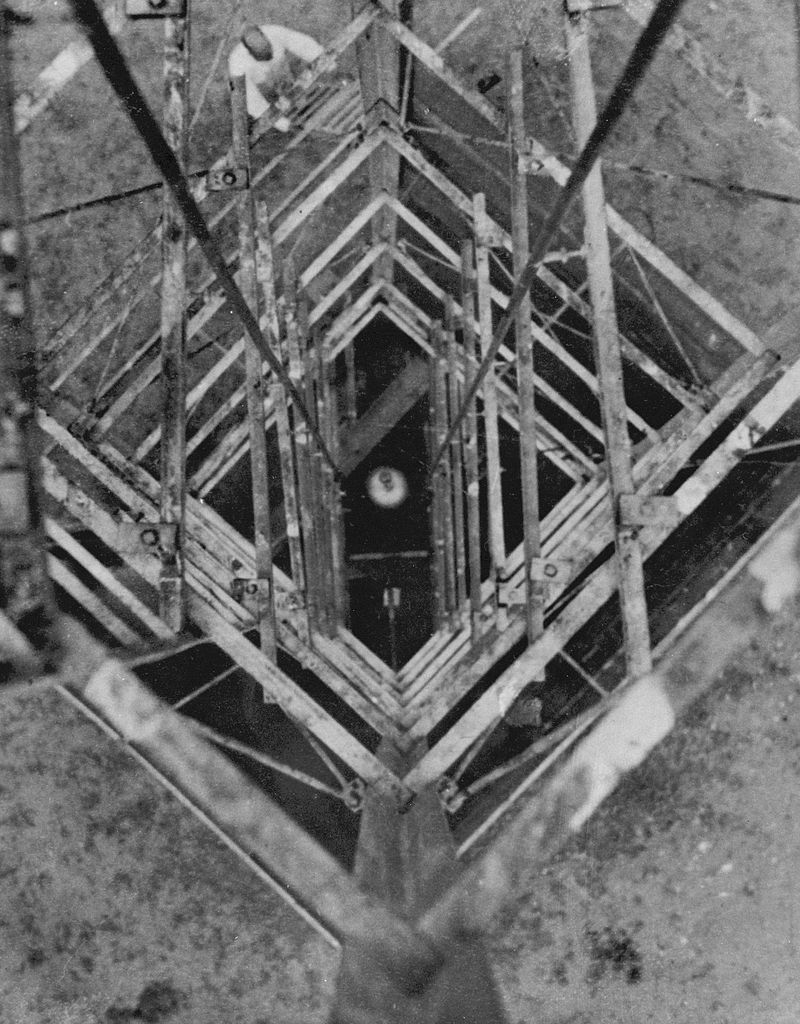
Years after his death, at the dawn of the Space Age, Goddard was recognized as one of the founding fathers of modern rocketry. For his early work in the field, many consider him the man who ushered in the Space Age. Goddard recognized the potential of rockets for atmospheric research, ballistic missiles and space travel. He also was the first to scientifically study, design, construct and fly the precursory rockets needed to eventually implement those ideas.
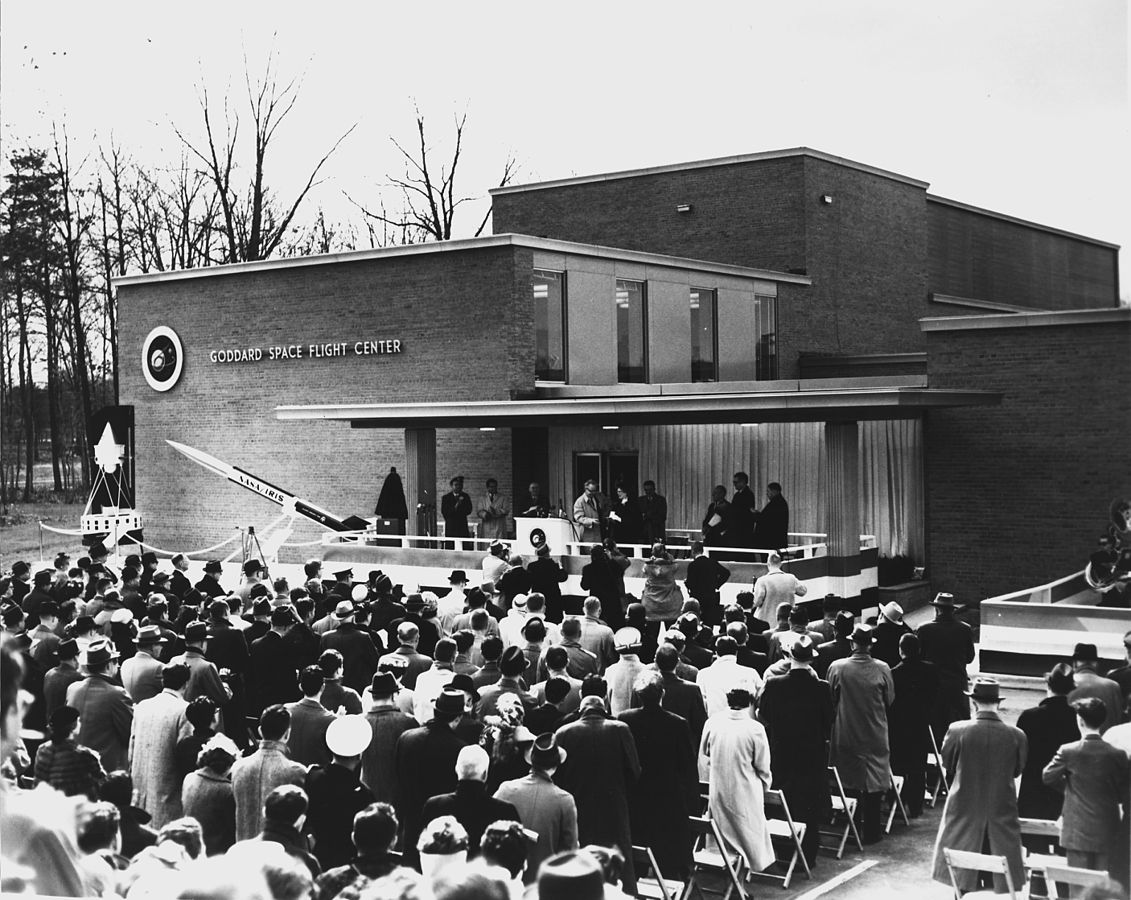
In 1959 NASA’s Goddard Space Flight Center was named in his honor. In addition, he was inducted into the International Aerospace Hall of Fame in 1966, and the International Space Hall of Fame in 1976.
FreightWaves Classics thanks charleslindbergh.com, the Library of Congress, NASA, the National Air and Space Museum of the Smithsonian Institute, transportationhistory.org and other sources for information and photographs used in this article.

/Sign%20of%20Intel%20at%20entrance%20%20by%20michaelmond.jpeg)

/NVIDIA%20Corp%20logo%20outside%20building-by%20BING-JHEN_HONG%20via%20iStock.jpg)

/An%20image%20of%20a%20Tesla%20humanoid%20robot%20in%20front%20of%20the%20company%20logo%20Around%20the%20World%20Photos%20via%20Shutterstock.jpg)