

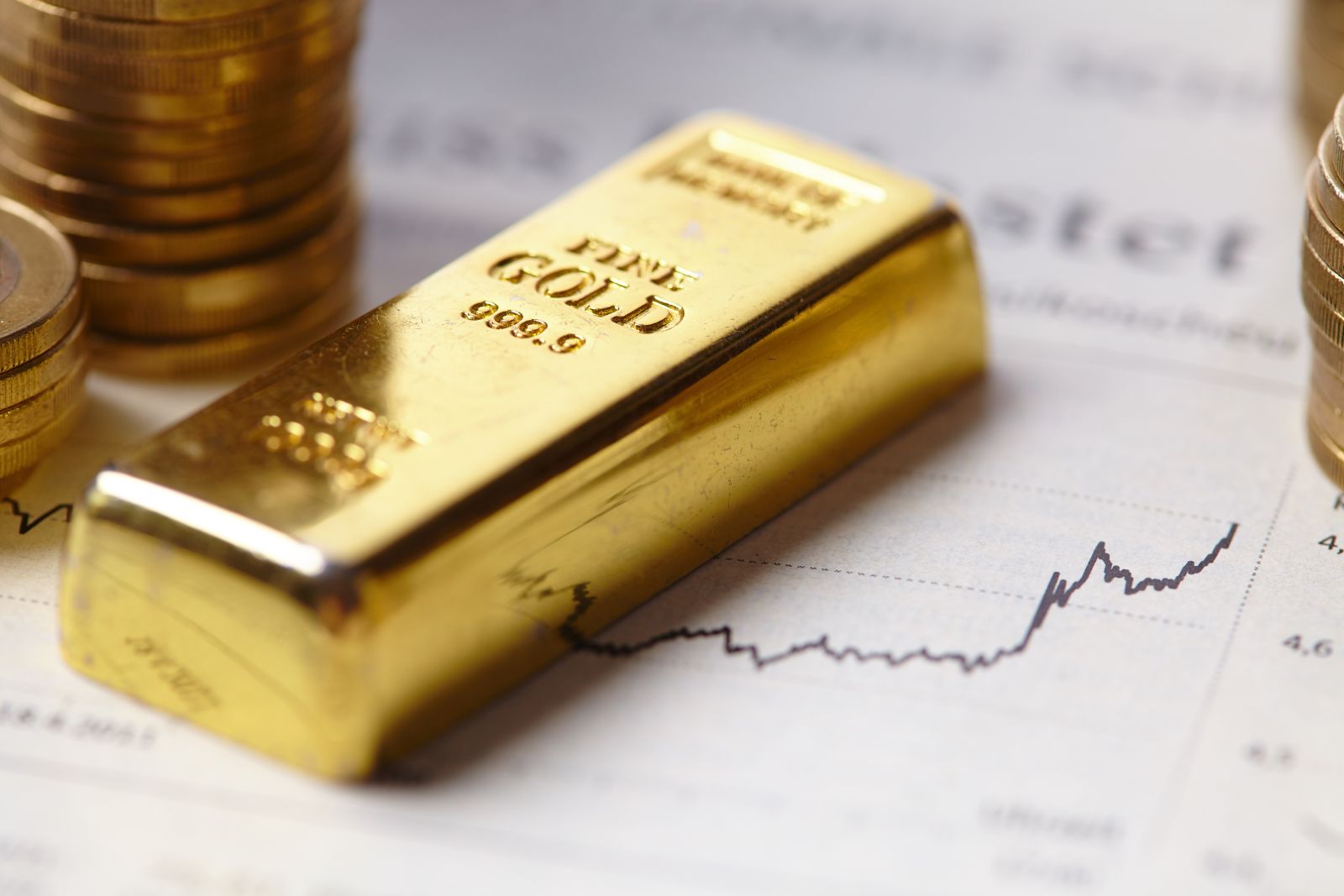
After months of outflows, gold ETFs are finally experiencing inflows again, and the gold price per ounce has returned above $4,100. Luckily, this isn’t due to rising global tensions, but instead hopes that the US shutdown will end soon and that the Fed will adopt a more moderate approach following some disappointing labor market data.
Starting with the latter, Challenger, Gray & Christmas reported that job cuts announced in October jumped by more than 153,000, up 175% from a year earlier and marking the largest October increase since 2003. Overall, more than 1 million layoffs have been recorded in the first ten months of this year, representing a 65% increase from the same period last year.
Whether this surge in layoffs is due to the rapid growth of AI or just worsening economic conditions remains to be seen. But if the trend continues, the Fed may have little choice but to ease its stance. That said, the CME FedWatch Tool shows that markets have not fully shaken off Powell’s recent hawkish comments.
In particular, expectations for a December rate cut remain around 63%, down from nearly 100% in October. On Polymarket, the odds are slightly higher, at roughly 72%. If we see encouraging inflation data or progress in trade talks, the Fed could become more dovish, supporting gold and the S&P 500 index, while potentially hurting the DXY index.
In terms of the baseline scenario for the dollar, according to the author of the famous “Dollar Smile” theory, despite a recent bounce, it remains in a clear downtrend. He estimates that the U.S. dollar index could fall another 13.5% over the remainder of Donald Trump’s term, adding to the 7% it has already lost in 2025.
As for gold, some forecasters remain quite bullish. For example, J.P. Morgan Private Bank’s head of macro strategy, Alex Wolf, told Bloomberg that gold prices could reach $5,200–$5,300 per ounce by the end of 2026, driven mainly by central bank purchases in emerging markets as geopolitical tensions persist.
For now, however, this latest surge in gold prices appears more like a short-term speculative move than the beginning of a long-term rally. Still, history shows that gold rarely disappoints over time — which is why central banks around the world continue to add it to their reserves, even at today’s elevated prices.

/A%20concept%20image%20of%20space_%20Image%20by%20Canities%20via%20Shutterstock_.jpg)
/A%20concept%20image%20of%20a%20flying%20car_%20Image%20by%20Phonlamai%20Photo%20via%20Shutterstock_.jpg)

/Oracle%20Corp_%20office%20logo-by%20Mesut%20Dogan%20via%20iStock.jpg)